
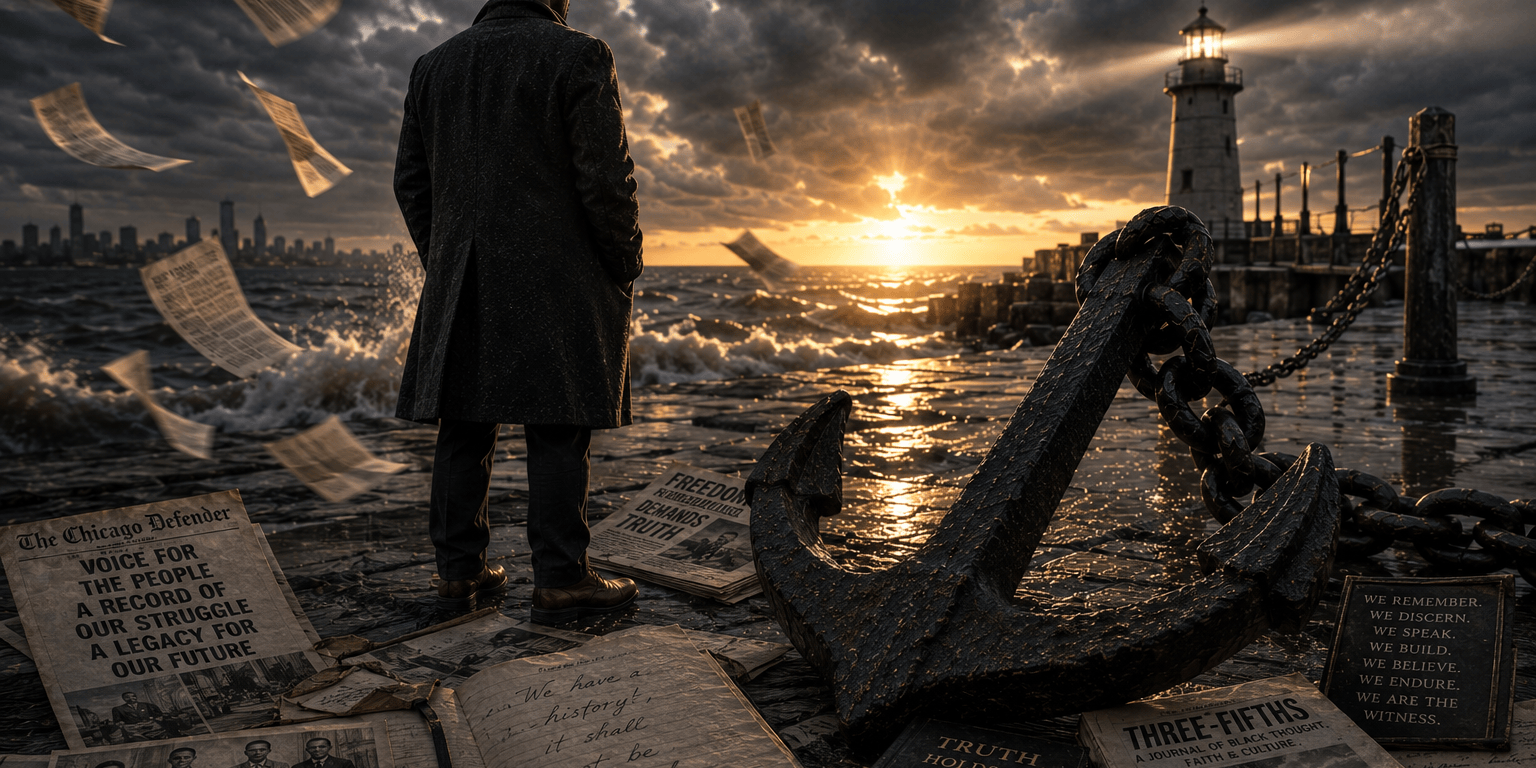
Truth, Memory, and the Moral Necessity of Black Witness
Every season has its winds. Some arrive gently, barely disturbing the leaves, while others bend trees, scatter what was settled, and expose what was never firmly rooted. Black people in America know something about shifting winds. We have lived through enough changing seasons to recognize that what one generation celebrates, another may condemn; that what is called progress today may be challenged tomorrow; and that what a nation once promised never to forget can become something it suddenly prefers not to
Headlines arrive before understanding has time to form. Opinions travel faster than evidence can be examined. Political narratives are repeated until repetition masquerades as proof, while social media rewards immediacy over accuracy. We are not suffering from a shortage of information; increasingly, we are struggling to determine what deserves belief.
The greater threat surpasses the risk of someone deceiving us. Humans have always lied, governments manipulate stories, and institutions shield themselves by controlling narratives. The real danger is when conflicting versions of reality become so overwhelming that people stop believing that the truth can ever be discovered. This confusion creates an ideal environment for manipulation, as uncertain individuals are susceptible to those with enough influence to define what reality is allowed to be.
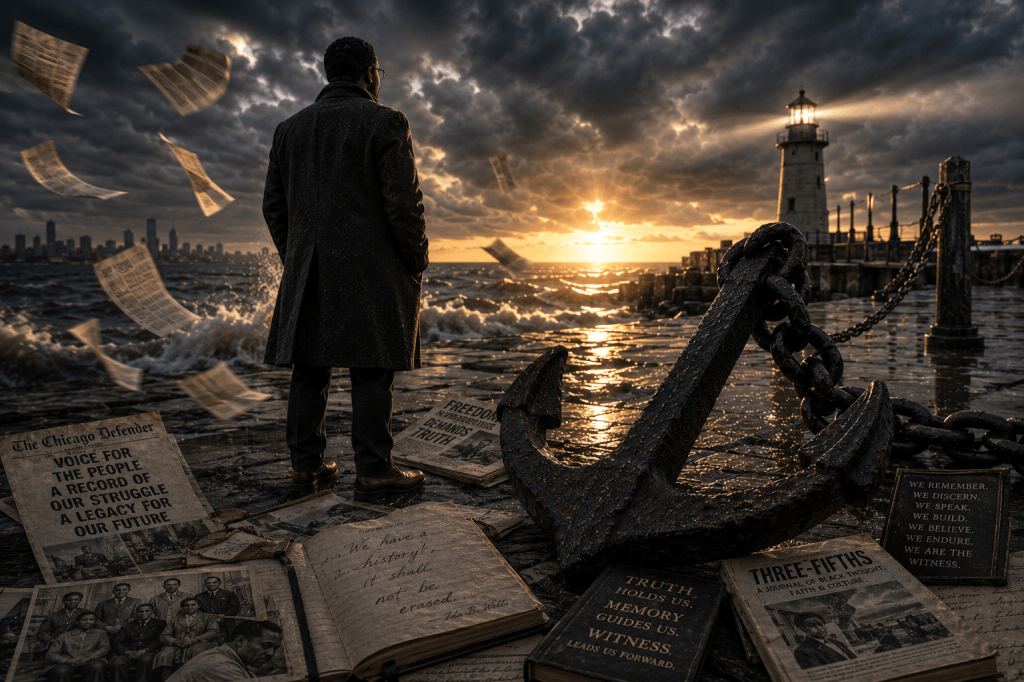
Black America has faced these circumstances before. We’ve seen the language around our struggles change, even as the core issues stayed painfully evident. Policies have been renamed, histories rewritten, movements ridiculed, and leaders once viewed as threats have been sanitized after their deaths, allowing their words to be used without addressing the conditions that prompted them. Society can progress quickly while regressing, and culture can advance technologically while losing moral direction. The wind signals movement, but an anchor shows our position.
For Black people, truth isn’t just an idea but tied to survival, as ancestors knew controlling the story affects how the present is understood. Stripping the past of moral significance removes moral responsibility from the present. Memory is moral resistance, not nostalgia.
We remember that enslaved people were human before governments acknowledged it, and that segregation was legal without ever becoming just. We recall that those dismissed as agitators often simply demanded the promises America had made but not kept. Yesterday’s troublemakers can become tomorrow’s monuments, especially after they are beyond the reach of the institutions they challenged. Memory prevents injustice from becoming innocent over time. It looks back not to live there, but to recognize what may be returning today based on the truth about yesterday.
Memory is dangerous because it creates accountability; remembering yesterday’s promises against today’s realities. Progress didn’t arrive with the calendar; every freedom bears the fingerprints of those who organized, preached, wrote, marched, taught, litigated, sacrificed, and sometimes died, believing future generations deserved possibilities they wouldn’t fully experience. A society that remembers selectively can celebrate the harvest while hiding who worked the field.
Power doesn’t always erase history; sometimes it exhausts our willingness to remember accurately. The most dangerous lie isn’t always the one we believe immediately, but the one repeated so relentlessly we grow too tired to defend what we know is true. When everything is endlessly debatable, evidence loses authority, and accountability becomes harder. The fight isn’t just over what happened, but over who has the power to define it for others.
This is where truth becomes costly, and why independent Black voices remain necessary. A people must have spaces to remember, interpret, question, argue, imagine, and speak from within their complex experiences rather than primarily through others’ descriptions. We need places where Black history does not require permission to be remembered; scholars can think, theologians wrestle, writers interrogate, artists imagine, elders remember, and younger generations ask questions they couldn’t before. Without such spaces, Black representation may grow, but interpretive power stays elsewhere. We can be more visible without being more authoritative about our experience’s meaning.
Three-Fifths Magazine matters beyond its articles or headlines. It continues an older Black intellectual tradition of creating spaces for Black people to interpret the world, not just be interpreted. Its name warns against surrendering that authority, recalling a nation that once used enslaved people’s human calculation in its constitution. The ‘three-fifths’ fraction symbolizes the danger of political power defining a people’s value, memory, and future, raising larger questions than any election or administration: Who defines a people’s worth?
Independent Black publications serve as vital archives of memory, platforms for interpretation, and communities of witnesses. They preserve discussions that dominant institutions might ignore and give space to voices beyond the constraints of current political trends. Even after headlines fade from screens, the written word can pass down to future generations what we observed, questioned, hoped for, and stood against. In this way, publishing acts as a form of memory, safeguarding our stories for the future.
Responsibility increases as circumstances shift. While we can’t control every campaign, controversy, or movement demanding our attention, we can choose our anchors. Truth should be more than convenient information; it must be a moral commitment that withstands contradiction and pressure. No generation receives truth just for itself; what we remember and preserve becomes an inheritance for future generations.
October will come, leaves will fall, and another political season will become history. Today’s headlines will be buried beneath tomorrow’s emergencies, and names now dominating our screens will fade from public view. Yet the need for truth will remain, as will the need for people and institutions willing to remember it, interrogate it, speak it, preserve it, and stand upon it. Seasons teach us that change is inevitable; history teaches us that direction is not.
The question before us is not whether the winds will change. They always do. The question is whether, when they do, we will still know where we are anchored. And if we are anchored in truth, the wind may determine the season, but it will never determine our direction.

Discover more from Three-Fifths
Subscribe to get the latest posts sent to your email.

