
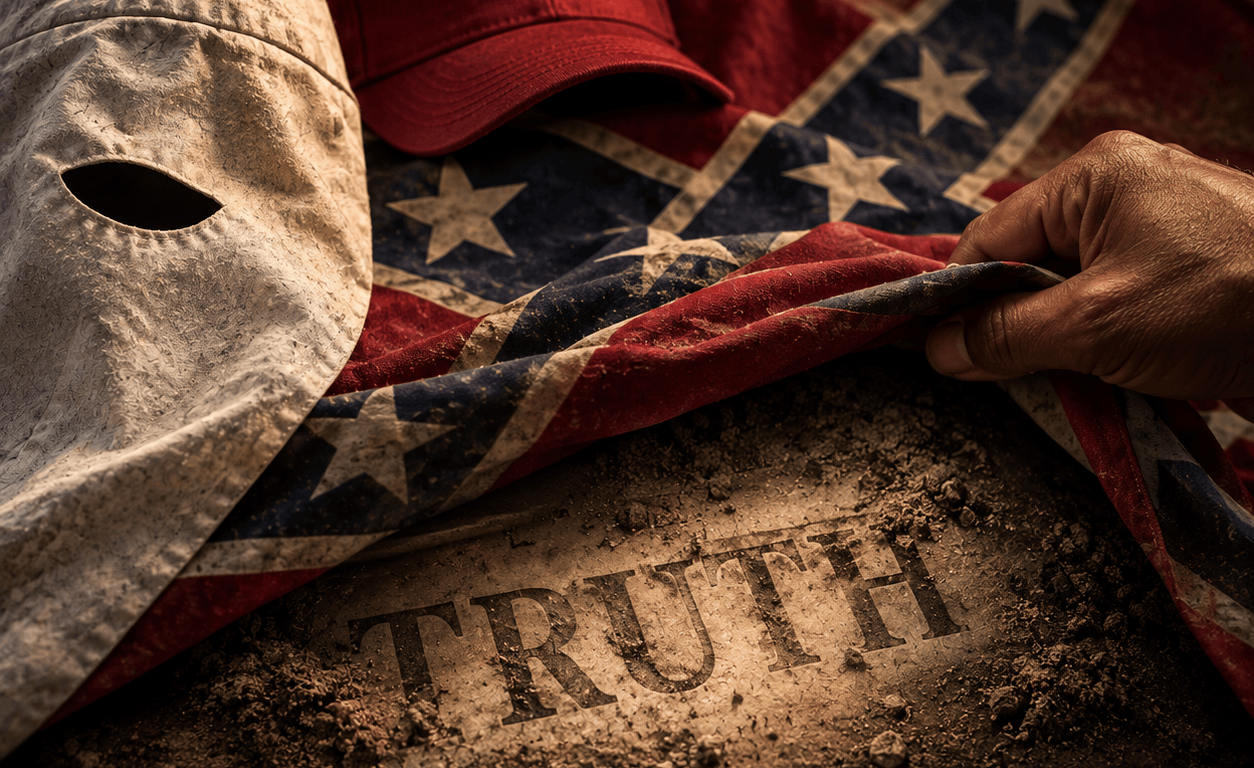
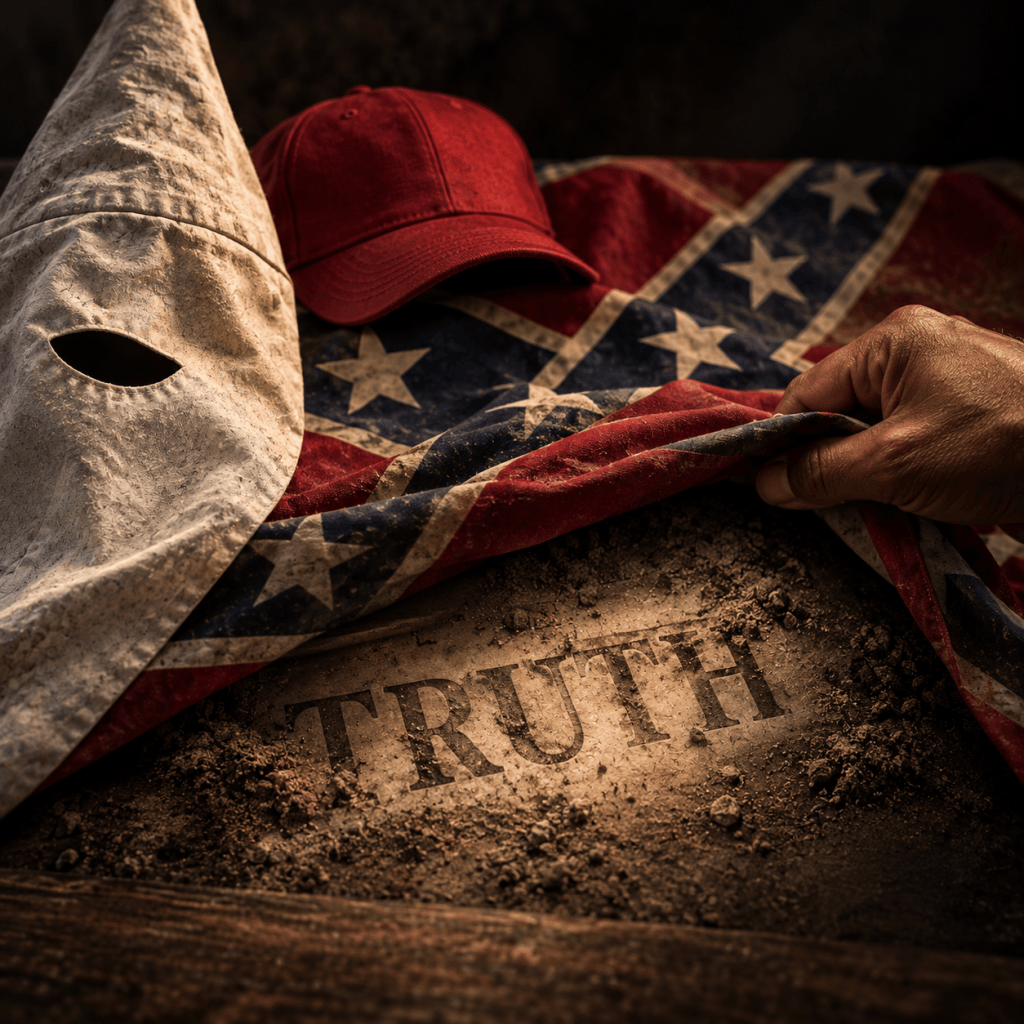
Just so we’re all on the same page, please know that I love the United States of America. I love it enough to hold it accountable. I write this as an American citizen who has spent much of the last decade simply reading, listening and watching.
I have watched our politics change, listened as diversity has increasingly been framed as a threat.I’ve read our history and compared it with the policies being debated and enacted around us. Through all of it, I keep returning to a difficult American truth: white supremacy has never
served most Americans well.
So, just to make sure we’re still on the same page, let’s define white supremacy, beyond hatred
because of skin color or pure racism. Historically, white supremacy describes “a system in
which political, economic and social power was organized around the belief that white
people should occupy a superior position.” We do not have to speculate about whether that
ideology existed. It was written down.
Confederate Vice President Alexander Stephens said it plainly in his 1861 Cornerstone Speech: “its corner-stone rests, upon the great truth that the negro is not equal to the white man.” Those are not my words, they are his.
But there is another part of this history worth remembering: racial hierarchy did not mean equal prosperity for white Americans either.
A system can privilege one racial group over another while still concentrating tremendous power and wealth among a relatively small number of people. When we think about working Americans today, including rural white Americans, it remains true.
For generations, racial division has provided Americans with reasons to distrust one another even when they share concerns about good schools, affordable healthcare, decent wages, safe communities, infrastructure and economic opportunity. When diversity itself becomes the enemy, it’s easier to focus on who is sitting beside us than on who’s making the decisions that affect all of us.
This reality should matter to every American and a story from Wilmington, North Carolina,shows us how dangerous the alternative can become. (See video here) In 1898, white supremacist political leaders used newspapers, speeches, racial fear and intimidation to convince white citizens that Black political participation and interracial government threatened them. After an election, armed white men burned a Black newspaper, killed Black citizens, drove Black and white political opponents from the city and forced Wilmington’s local government from power.
Then came the other weapon: the story told afterward. An organized white supremacy campaign to overthrow local government was portrayed by its defenders as restoring order. For generations, what happened in Wilmington was commonly remembered as a “race riot” rather than a coup.
Truth had become part of the struggle for power and while this was happening, an Ohioan, President William McKinley, faced appeals from African American citizens demanding federal investigation but it closed without indictments.
That history is why I pay attention when our modern political debates begin telling Americans that diversity itself is the problem, or when government determines which efforts to confront historical inequality have become unacceptable. North Carolina and Ohio have both enacted restrictions on diversity, equity and inclusion in public institutions. No, those laws are not Wilmington in 1898, but Wilmington teaches us to pay attention to how history is told and rhymes with today.
So, a few questions to consider & ask ourselves and officials:
- What does a policy actually do?
- Who gains an opportunity and who loses one?
- What problem existed before the policy was enacted?
- Who has access, and where are resources going?
- Which opportunities are expanding and which are disappearing?
- Do the policies being enacted actually improve life for everyday working Americans?
- When complicated questions about opportunity and history are reduced to something we
are simply told to fear, what might we be missing?
I have my eye on white supremacy in this country, including here in Ohio. Not because I hate America, but because I love it enough to study its contradictions and demand the truth! I invite you to look around your own community from a policy standpoint rather than a political one.
So again, returning to that same page from earlier, I love the United States of America, and I appreciate the history that brought us here. But appreciating our history means being honest about all of it, together.
We should be willing to recognize ideas that divide ordinary Americans while power remains concentrated elsewhere. And we should be willing to call out what does not work for most Americans, regardless of our politics.
That is what it means to be anchored in truth, and the truth is simple, white supremacy has never served Americans well.
The question for us all is how we will protect the truth and reconcile with how far we’ve come and the direction we seem to be headed now…

Educator & Future Public Servant
(Inspired by those who led with truth)
Discover more from Three-Fifths
Subscribe to get the latest posts sent to your email.

