
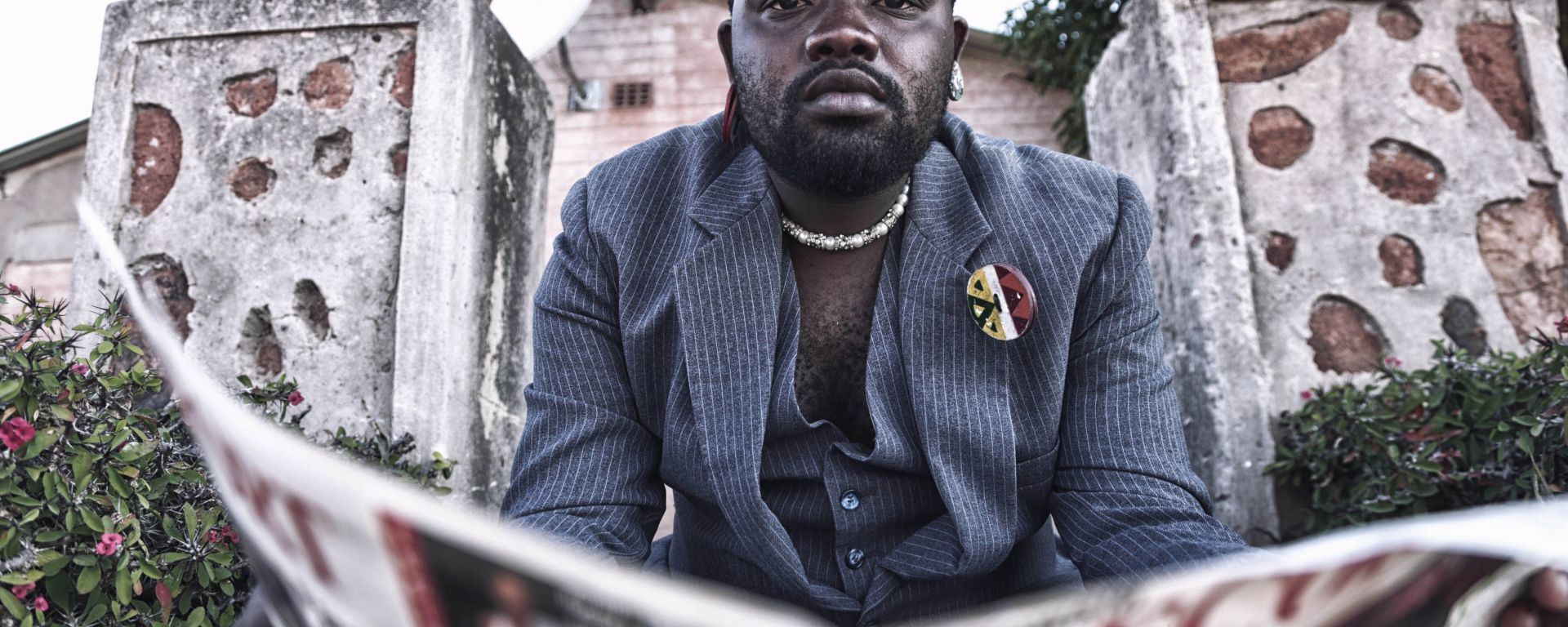
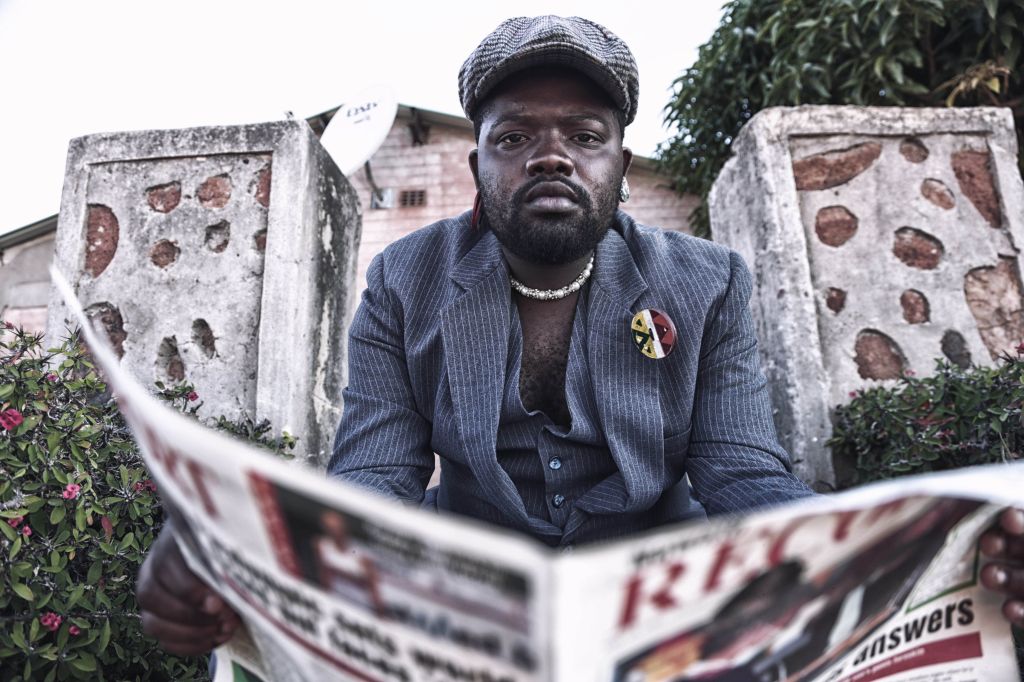
Every community we inherit is the result of reconstruction.
Some communities rebuild after natural disasters. Others rebuild after decades of disinvestment, displacement, discrimination, or the slow erosion of cultural traditions. We often think of reconstruction in terms of roads, schools, homes, and businesses. Those are certainly necessary. But there’s another kind of reconstruction that deserves equal attention: the rebuilding of a community’s story.
History doesn’t preserve itself. People do. Every photograph archived, every oral history recorded, every local newspaper published, every mural commissioned, every family story passed down, and every community festival documented becomes part of our collective memory. These acts may seem small on their own, but together they shape how future generations understand who came before them and what was worth preserving.
For underserved, marginalized, and cultural communities, storytelling is an act of preservation. Too often, these communities have had their stories told about them instead of by them. Headlines may capture moments of crisis, political debates, or hardship, while overlooking the creativity, resilience, innovation, and everyday joy that define a community far more completely. When only one version of a community is consistently documented, that version risks becoming the public’s only understanding of it. Storytelling has the power to correct that imbalance.
Every story that reaches the public has traveled through someone’s hands. An editor decides what deserves space. A publicist identifies stories worth amplifying. A photographer captures a moment that might otherwise disappear. An archivist preserves today’s headlines for tomorrow’s historians. These professions don’t simply communicate culture; they help construct it. That’s why diversity within these fields matters. When the people responsible for documenting our world reflect a broader range of lived experiences, our collective memory becomes more complete, and more honest.
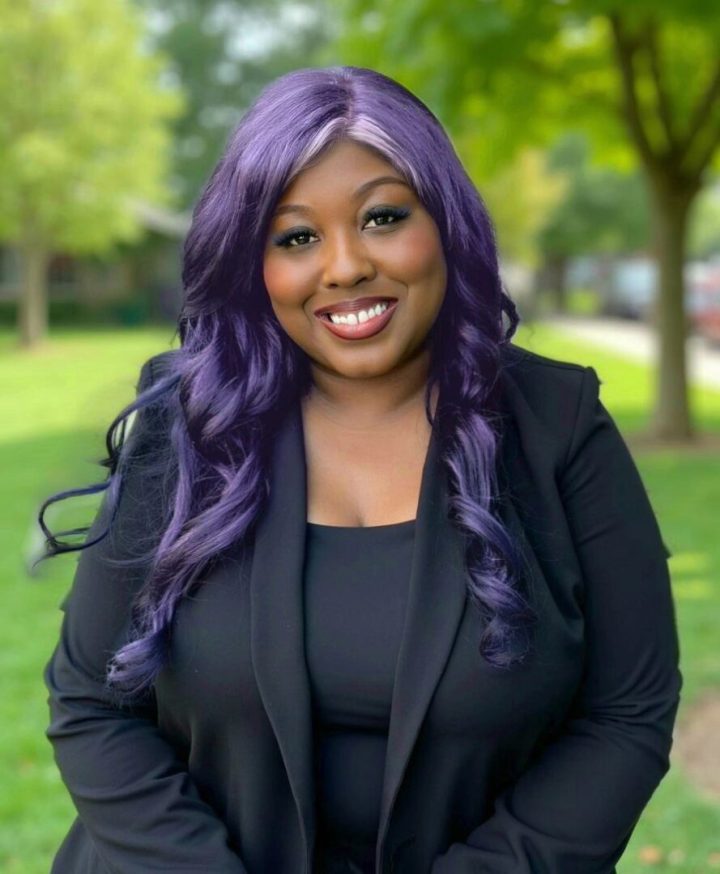
As someone who works at the intersection of communications and the arts, I’ve come to see storytelling as more than a professional responsibility. It is a form of cultural stewardship. Long after an event ends or a project concludes, the stories we choose to preserve become part of the historical record. They influence how communities are understood, celebrated, and remembered.
This is why visibility matters now more than ever.
When an artist’s work is documented, it has a greater chance of inspiring future generations. When a community organization’s impact is captured, it becomes easier to advocate for support and investment. When cultural traditions are intentionally preserved, they become part of a living legacy rather than a fading memory.
People cannot celebrate what they never knew existed. They cannot preserve stories that were never told. And in many ways, storytelling is one of the earliest forms of reconstruction. Before a community can fully rebuild, it must reclaim its narrative. That means creating space for people to tell their own stories, in their own voices, with the complexity and dignity they deserve.
This work belongs to more than journalists or historians. It also belongs to institutions willing to invest in preserving culture before it disappears. It belongs to photographers, artists, librarians, teachers, archivists, communications professionals, neighborhood leaders, and everyday residents who understand that documenting today’s moments helps shape tomorrow’s history.
When these professions lack diverse perspectives, entire communities risk remaining invisible, not because their stories don’t exist, but because too few people are positioned to recognize their significance. A more diverse communications landscape doesn’t simply create better representation; it broadens our understanding of who belongs in the historical record.
Too often, communities don’t realize the significance of their traditions until they’re at risk of being lost. Festivals end. Historic gathering places close. Elders pass away. Family photographs fade. Digital content vanishes with outdated platforms and broken links. Without intentional preservation, pieces of our collective identity disappear quietly over time.
Reconstruction asks us what we’re willing to build after the storm. If our answer is limited to physical infrastructure, we’ve missed an opportunity. Communities are held together not only by the places we inhabit but by the stories we carry. They tell us where we’ve been, what we’ve overcome, and who we aspire to become.
Every community deserves the opportunity not only to survive history, but to author it. As we continue rebuilding our neighborhoods, institutions, and systems, we must also commit to preserving the voices, traditions, and lived experiences that give those places meaning. Because the stories we choose to tell today will become the foundation future generations inherit.
Discover more from Three-Fifths
Subscribe to get the latest posts sent to your email.

