

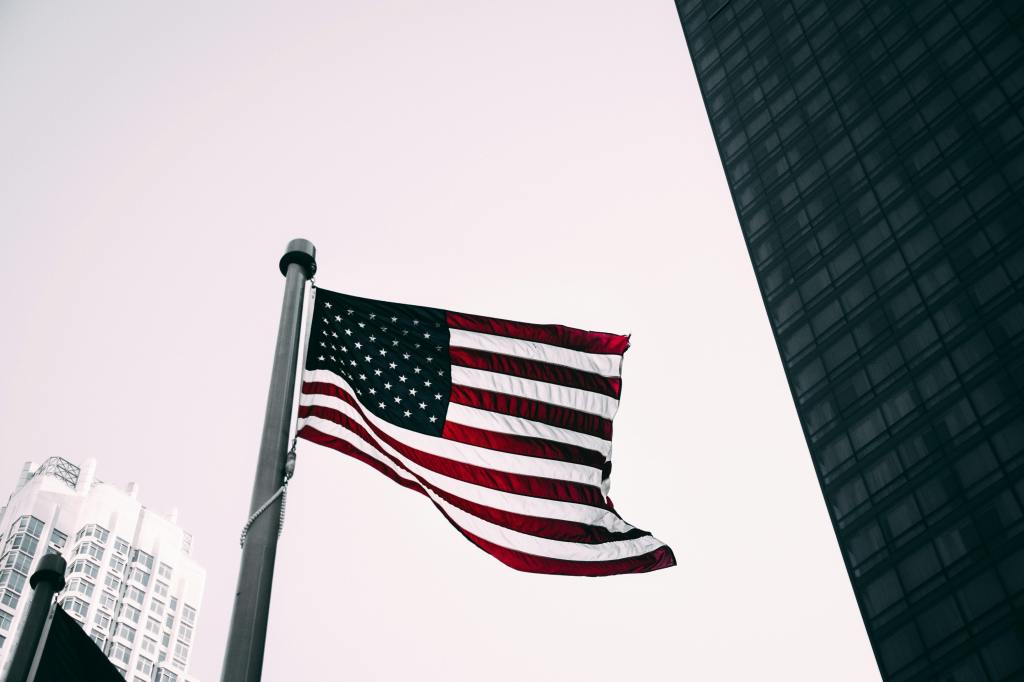
In 1852, Frederick Douglass, a formerly enslaved man who had risen to prominence as a powerful orator and advocate for abolition, delivered one of the most searing indictments of American society in his speech, “What to the Slave Is Your Fourth of July?” Invited to speak at an Independence Day celebration, Douglass laid bare the hypocrisy of a nation celebrating freedom while millions remained in bondage and women had little to no rights. He highlighted the exclusion of enslaved people from the promises of liberty and justice, exposing the systemic oppression that contradicted the very ideals America professed to uphold when it decided that religious and economic freedom were worth fighting for.
Douglass’s speech was delivered during the presidency of Millard Fillmore, a period marked by intense racial tensions and a nation divided over the contested issue of slavery. The Compromise of 1850, which included the Fugitive Slave Act, had recently been enacted, furthering the conflicts between free and slave states. For Douglass and his contemporaries, the reality of their daily lives was a series of microaggressions and systemic injustices that reinforced their status as second-class citizens. The invitation to speak at a celebration of freedom that did not extend to them was a cruel irony, reflecting the broader societal indifference to their predicament.
Fast forward to 2024, and America finds herself at another critical juncture. The upcoming presidential election presents choices that echo the profound questions Douglass posed. What does liberty mean in contemporary America? How do we reconcile our democratic ideals with the realities faced by marginalized communities? The candidates and their rhetoric offer starkly different visions for the future of American democracy, raising fundamental questions about the direction our nation will take. On one hand, there is a candidate whose language and policies may amplify the microaggressions that have historically marginalized African Americans and other minority groups. The rhetoric of misinformation, exclusion, and division threatens to undermine the progress made towards achieving a more inclusive and equitable society. This vision harkens back to a time when the promises of American democracy were selectively applied, leaving many out of the nation’s celebrations of freedom and prosperity.
Conversely, there is an opportunity to choose a path that fulfill the ideals of a more perfect union, one that Douglass himself envisioned. This path involves recognizing and addressing the systemic inequalities that persist in our society, ensuring that all Americans can partake in the liberties and opportunities that define the nation. It requires a commitment to truth, justice, and the inclusion of all voices in the democratic process.
For Douglass, the question of liberty was not abstract. It was a lived reality, underscored by the daily indignities and systemic barriers faced by African Americans. If he were to answer the question of what the 2024 election means to American democracy, he would likely frame it in terms of whether the nation is willing to confront and dismantle the structures that perpetuate inequality. The election is a referendum on the soul of America—whether it will move forward towards greater justice and inclusion or retreat into the shadows of exclusion and division.
As Americans, we must reflect on Douglass’s words and the historical context in which they were spoken. The 2024 election is not merely about political power but about the values that will shape our future. It is a moment to affirm our commitment to a democracy that serves all its people, not just a privileged few. The choice before us is clear: to advance towards a more inclusive and just society or to allow the forces of division and exclusion to prevail.
In answering Douglass’s timeless question, we must consider the legacy we wish to leave for future generations. Will we honor the struggles and sacrifices of those who fought for freedom and equality, or will we succumb to the divisive rhetoric that threatens the very foundations of our democracy? The 2024 election is our moment to decide what America truly stands for and to ensure that the promise of liberty is extended to all its citizens, inching us closer toward that more perfect union the framers enshrined in the Constitution.

Discover more from Three-Fifths
Subscribe to get the latest posts sent to your email.

