
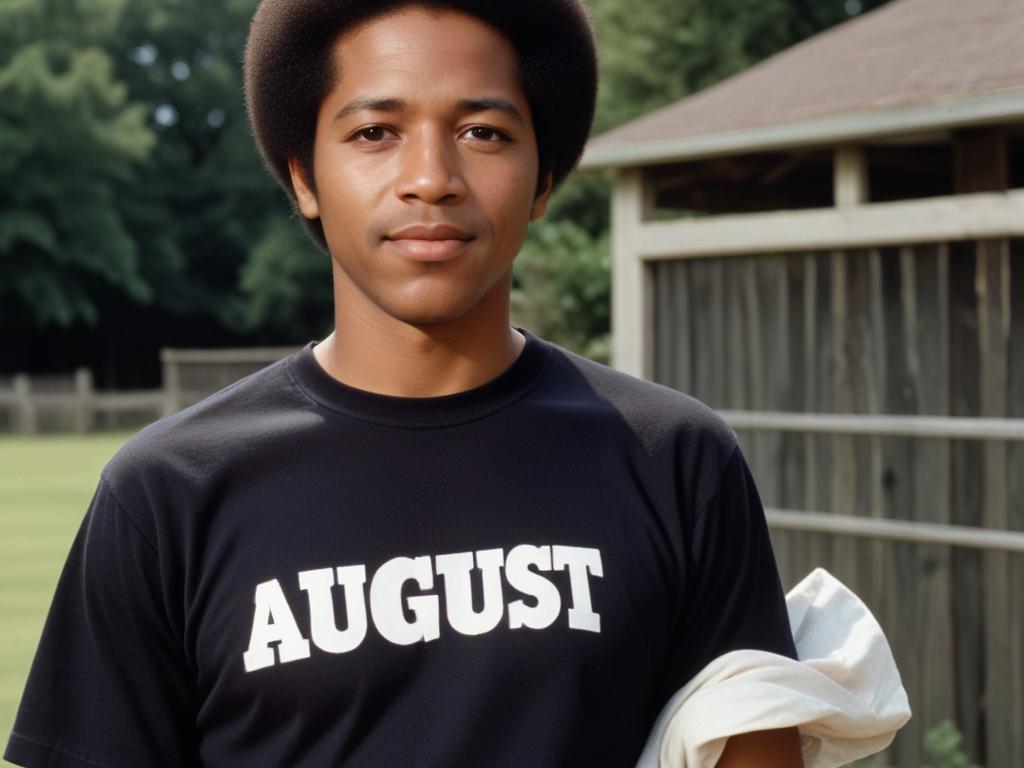
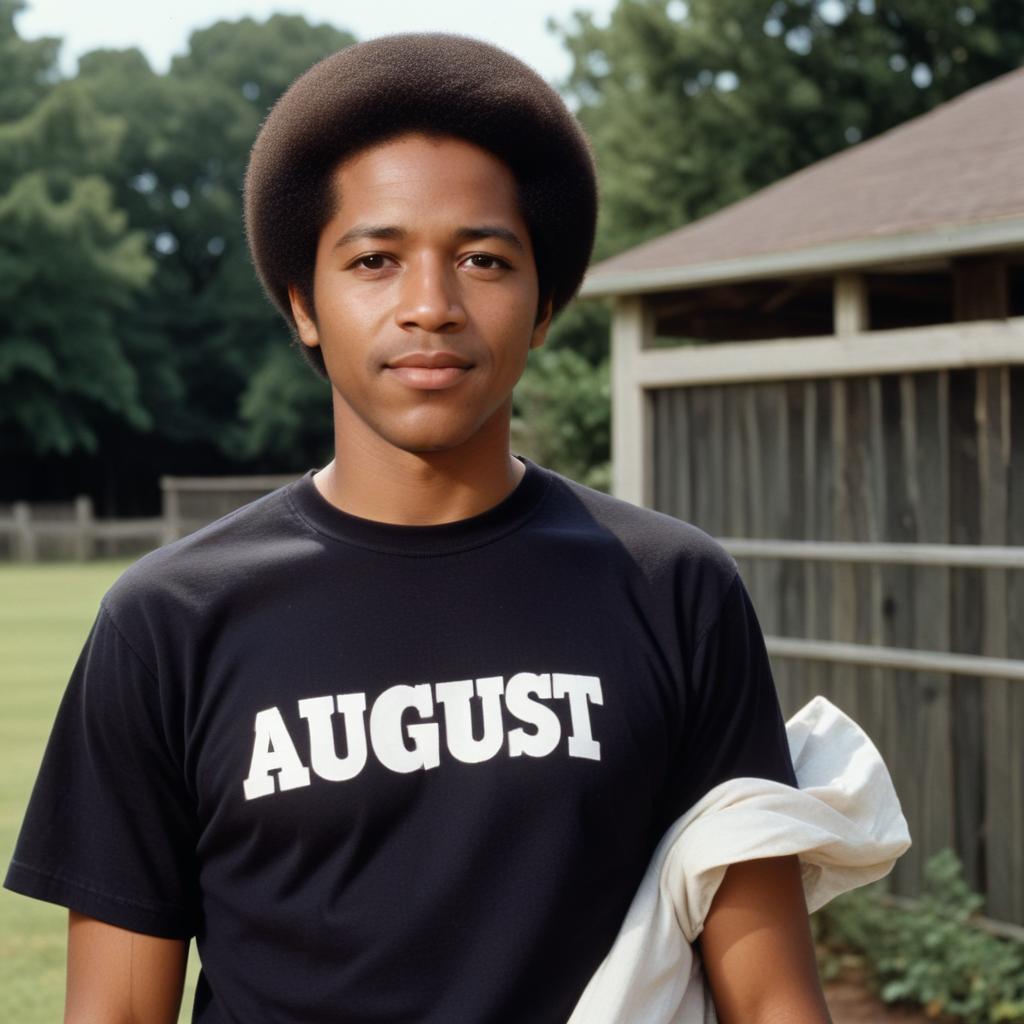
It’s that time of year again, where the sun blazes, and so does our commitment to Black liberation. Yes, it’s Black August – a month dedicated to remembering the sacrifices, struggles, and triumphs of Black revolutionaries. Black August isn’t just another month on the calendar; it’s a call to action. Here at Three-Fifths Magazine, we have also chosen to highlight microaggressions during this month. In this essay, I will attempt to make a connection between Black August and microaggressions by imploring you all to get busy. So, I have to ask: “What have you done?” Are you just out here soaking up the sun without soaking up the knowledge?
Let’s take a moment to honor George Jackson, the man who turned prison bars into platforms for revolutionary thought. Born into poverty, George’s story is one of transformation, resilience, and radical resistance. His journey from a troubled youth to a leading voice for justice and his untimely death in 1971 encapsulate the broader fight against racial injustice in America. His legacy is immortalized in Black August, a month dedicated to remembering the sacrifices and resistance of Black freedom fighters.
Now, let’s talk microaggressions – those tiny, everyday jabs that might seem harmless but pack a powerful punch to marginalized communities. George Jackson’s life and the spirit of Black August can teach us how to spot, confront, and overcome these subtle insults. Because let’s face it, if George could challenge the entire prison-industrial complex from behind bars, we can certainly call out a microaggression or two.
George Jackson’s early years were no picnic. Moving to Los Angeles in the 1950s, he faced societal pressures and racial tensions head-on. By 18, he found himself in Soledad Prison for allegedly stealing $70 – a one-year-to-life sentence for seventy bucks. That “year” turned into “TEN YEARS” for $70 !!!
Ten years and a lot of books later, George emerged as a powerful voice for prisoners’ rights and racial justice. His letters, compiled in “Soledad Brother,” serve as a searing critique of American society, the prison-industrial complex, and capitalism.
Fast forward to 1970, and the Soledad Brothers incident catapulted George to national attention. Accused of killing a prison guard in retaliation for the murder of three Black inmates, George, along with Fleeta Drumgo and John Clutchette, faced a highly publicized trial. Activists like Angela Davis rallied for their release, shining a spotlight on systemic racism and brutality in the prison system. On August 21, 1971, George Jackson was killed by prison guards during an alleged escape attempt at San Quentin State Prison. Many believe his death was an assassination due to his revolutionary activities. His death shook the activist community and further galvanized the struggle against systemic oppression.
Black August was born in 1979, created by the Black Guerrilla Family and Jackson’s comrades to honor fallen freedom fighters and promote Black unity and resistance. Participants engage in fasting, physical training, and political education, using this month to deepen their understanding of Black history and systemic racism. It’s a tribute to George Jackson and other political prisoners and a framework for addressing microaggressions in daily life.
So, as we reflect on George Jackson’s legacy and the spirit of Black August, remember that the fight against systemic racism extends beyond overt acts of discrimination. Microaggressions, though subtle and often unintentional, perpetuate the psychological warfare that undermines marginalized communities. By recognizing, confronting, and overcoming these daily slights, we can work towards a more inclusive and equitable society.
Each of us – whether a member of a marginalized community, an ally, or an advocate – has a role in bending the arc of the moral universe toward justice. Let Black August be our call to action, inspiring us to challenge microaggressions and uphold the dignity and humanity of all people. So, I’ll ask again – what have you done?
“I don’t want to die and leave a few sad songs and a hump in the ground as my only monument. I want to leave a world that is liberated from trash, pollution, racism, nation-states, nation-state wars and armies, from pomp, bigotry, parochialism, a thousand different brands of untruth and licentious, usurious economics.”
— George Jackson

Discover more from Three-Fifths
Subscribe to get the latest posts sent to your email.

