
In his powerful encyclical, Magnifica Humanitas, Pope Leo XIV writes profoundly about human dignity in the age of artificial intelligence (AI). He remis us that “Humanity, created by God in all its grandeur, is today facing a pivotal choice: either to construct a new Tower of Babel or to build the city in which God and humanity dwell together.”
Although his work focuses on AI, there is so much more to it, and that so much more made me think deeply about human dignity and the beauty of being human. In a world that often rushes by, one focused on productivity and achieving more, we forget what it is like to truly live and breathe.
Don’t get me wrong, I enjoy being productive, and I like improving my skills and challenging myself to do better and be better in my contributions to humanity. However, I have come to understand that appreciating the beauty in life and the wonderful humanity of laughter is essential to living. I have come to realize that stepping away from technology, media, and work is life-changing and lifesaving.
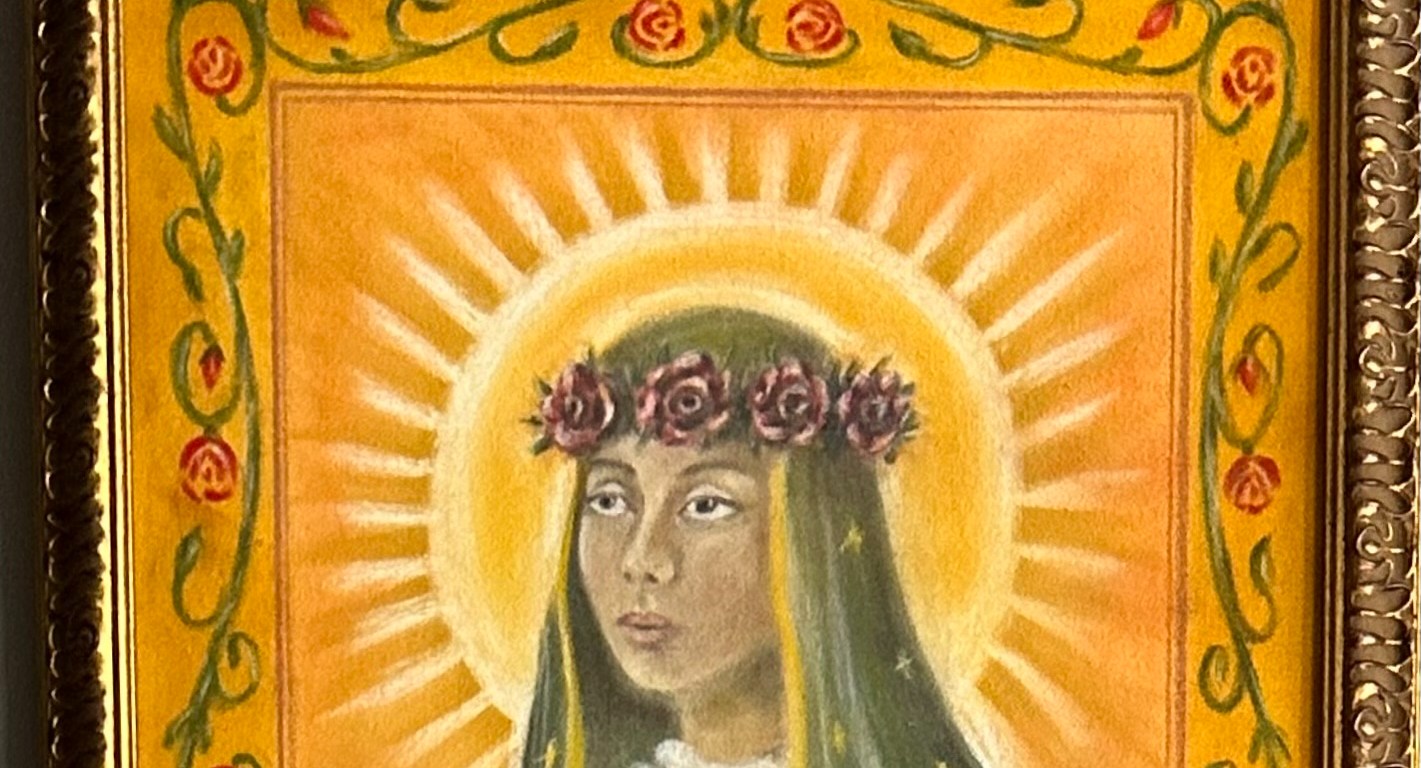
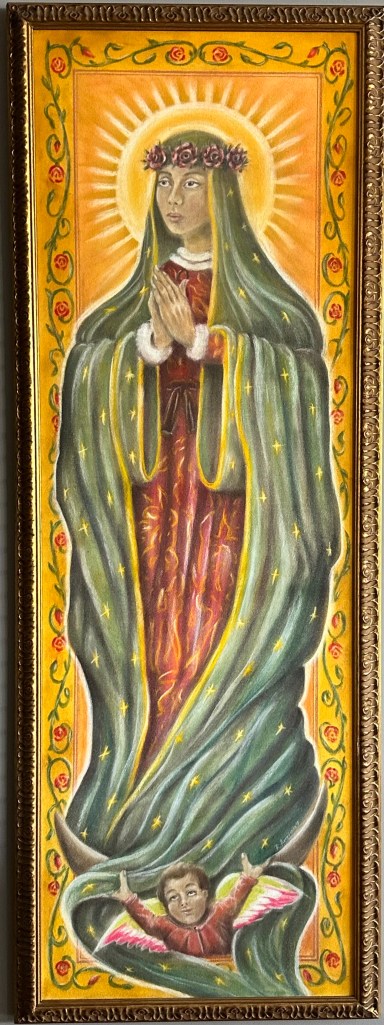
In the past five years, I have taken up watercolor painting, photography, embroidery, and jewelry making. I have never thought of myself as creative in an artistic way, and I’m not sure if I am producing anything truly beautiful. However, I do know that I am happy, much more relaxed, and that this kind of activity fills my soul in ways that work does not.
I have set up spaces in my home for painting. I have the supplies to do embroidery and make jewelry, and I regularly ask others to join me in these activities. I take artistic photos when I travel and in my everyday life, and I have started showing them in art exhibitions alongside a few of my paintings. If you asked me 10 years ago if I would ever show anything in an art exhibition, I would have said, “No, I write books. I don’t have any artistic creativity.” What I didn’t realize at the time was that I needed to step back, slow down, and let go to create. I needed to shake out my hands and stop being so organized and disciplined (characteristics that help me immensely in my professional career). Once I did these things, I was able to create. I shocked myself sometimes as I truly did not know I had it in me.
I am the mother of an artist and was married to an artist for 17 years. I love seeing art, taking it in, and fully experiencing it – if you follow me on Instagram, you will see that I surround myself with art. It brings me joy and helps me to understand the humanity of others. But I never thought I could participate in art. Since leaning into art, I have started to notice much more of the beauty in the world. I notice the uniqueness of people’s faces, the vibrant colors of my neighborhood, and the imperfections in the world that make it beautiful.
Amid this artistic revival I have been having, I have also come to appreciate much more about
my Catholic upbringing, which, up until recently, had been below the surface in my life. Yes, I attended Catholic grade school and Catholic college, and I was very active in my Catholic faith during both. However, my interest in the Catholic Church decreased over the years – mainly due to its stance on issues that have an impact on people I care about. However, through art, I have slowly come back to the Catholic Church – art makes me feel, as Pope Leo so beautifully said, how “God and humanity dwell together.”
Walking through churches across the world that serve as art galleries for the public, seeing how people have celebrated art over the centuries, and spending time in cities that are majority Catholic changed things for me. As an academic, there is often an undercurrent of disrespect for religion and being religious, but religion merely means a set of beliefs, and most people have those. Academics often feel that religion is not critical enough for them; that is what I have heard in countless conversations. What I have found is that it is possible to be both critical of the Catholic Church and to embrace how it is changing and tackling social justice issues throughout the world – especially under Popes Francis and Leo. The Catholic Church is as imperfect as we are as human beings, but it is also striving to do better for others, as we should.
In Magnifica Humanitas, Pope Leo urges us to recognize the dignity of others in a world increasingly shaped by technology and speed. What surprised me most about my own experience was that I began to understand human dignity more deeply through painting, photography, churches filled with centuries of art, and moments when I slowed down enough to notice the world around me. By noticing beauty more closely, I began to observe people more closely. I began to see the beauty in others.
In a world that at times seems mean, vulgar, and not to care, Pope Leo’s words and the art in my life give me hope that we can stop for a moment, think deeply, and begin to see the beauty and dignity in others. Then, perhaps, we’ll learn to love ourselves more, which will ultimately lead to our treating others better and to appreciating all the beauty and creativity around us every day.
Discover more from Three-Fifths
Subscribe to get the latest posts sent to your email.


