


From an early age, I was suicidal. My memory takes me back to around the age of ten, when a casual attempt to join my parents in conversation ended in a violent eruption. A blow to my face sent me reeling across the room, leaving me stunned and confused. In that moment, I was confronted with a painful truth: something was inherently wrong with me. This realization set the stage for a lifetime of tiptoeing through my existence, hiding my emotions, and attempting to discern the root of my pain.
One of the earliest memories I have upon visiting my paternal grandmother in the United States, after my father’s military reassignment from Europe, is a startling conversation. My grandmother labeled me the “black sheep” of the family, a title affirmed by my father’s non-verbal nod and angry flexing of the jaw. Although I had not yet been reprimanded for any wrongdoing that day, I felt the weight of judgment from this virtual stranger and her son, my father. The confusion deepened my sense of rejection, a sentiment that would linger throughout my adolescence and even now in my 60s, echoing the voices of those who physically, emotionally, and spiritually abused me.
However, through this journey filled with pain and struggle, I have begun to recognize a profound truth: I was not the one at fault but rather a product of a family system rife with secrets and generational curses needing to be broken. Through God’s grace, I have become an expert at redeeming my sorrows for strength and using my experiences to foster healing, not only for myself but also for others.
These are the strategies of my ever-improving wellbeing:
Abstain from Harmful Comforts
At the age of 13, amidst typical teenage temptations and the scars of my father’s abuse, I received a divine warning: “Don’t do drugs, sex, or alcohol. Because if you do, your pain is so great that you will never come back from hiding there.” I heeded this guidance, which I believe preserved me from descending into a deeper abyss of despair.
Many of us turn to various comforts—food, spending, substance abuse—as shields against pain. Yet, such distractions only serve to obscure the root causes, keeping us from focusing on healing.
If you’ve already become entangled in these “curses” of addiction, I encourage you to seek freedom. The journey toward healing begins with recognition and the decision to refrain from further harmful choices.
Embrace Your Role as the ‘Rebel’
Labelled as rebellious for my inquisitive nature and tendency to question the militaristic authority of my father, I soon discovered that challenging the status quo was not a vice but a gift.
My engagement with scripture and my determination to resist moral injustices fueled my desire to rebel against that which was clearly wrong. This internal drive to seek truth became a catalyst for lifelong transformation and ultimately for breaking generational cycles.
By embracing my status as the “black sheep,” I recognized that my perspective, though uncomfortable, granted me the insight to see injustices that others in my family overlooked.
Understanding the difference between recognizing a curse and actively working to break it became critical in my journey.
Surviving my own suicidal thoughts was daunting enough; breaking age-old cycles felt insurmountable. Yet, I learned to lean into my unique gifts, transforming my perceived deficiencies into assets.
Break Generational Curses and Repent
We can “repent” from the “sins” of our fathers by discontinuing those practices, and by restoring what was unjustly taken that we benefit from. For example, if I inherit a car from my parent that was stolen, I break the curse by returning it to the rightful owner.
Many generational curses have been inherited by the refusal to return what was stolen to rightful heirs. I’m not only thinking specifically of collective injustices such as racial justice, lack of reparations, legal injustices, dignity deprived from women and people of color, but I’m also thinking of withholding love, blessing, and forgiveness.
Sin is often both personal and communal, individual and generational. We must repent (turn away) from both types of sins and unwellness that we may have come into by inheritance or simple proximity.
Repentance, in the biblical sense, requires a complete turnaround. Whether you aim to alter a generational cycle or stop destructive individual coping mechanisms you’ve developed, it requires a commitment to turn away from those patterns that lead to natural consequences. My upbringing steeped in legalism instilled a paralyzing fear related to “generational curses,” but my understanding shifted sharply during a seminary course where I learned these curses do not originate from God.
The scriptures pose concepts of divine blessing and restoration, emphasizing that each generation has the power to break free from its past. Jesus’ life exemplifies healing and renewal, presenting a pathway for those burdened by inherited sins or sickness.
Instead of feeling trapped by the “sins of my fathers,” I now realize that in my lifetime, I can break these strongholds. I may not have yet broken ALL of the curses, but I have broken some! By God’s grace, more will succumb to the restorative power of Christ in me and participate in my own rescue.
Participate in your own recovery.
Healing requires facing your pain. Pain is a gift that prompts you to seek support rather than dismiss it. Pain indicates underlying injuries. Ignoring emotional or physical pain creates an environment for infection of deeper wounds, while addressing the warnings of pain leads to deeper healing.
Let pain be your dashboard, not your dictator. A dashboard indicates when something needs attention, a repair, or fuel. Ignore your dashboard, and you will find yourself in a meltdown, stranded on the side of the road during a thunderstorm, wishing you’d paid attention to the flashing lights.
Show Up for Yourself
Self-abandonment can be the result of meeting your own physical survival needs without the help you needed.
But now you are here!
You have survived, and it is time to thrive!
We can become conditioned to attend to the emotions and demands of others at our own expense. I never learned how to care for myself because I was busy with adult responsibilities and caring for others. The tendency to focus our care on others, particularly prevalent in women, can lead to a cycle of self-neglect.
Scripture says we should “love our neighbor AS ourselves.” Yet many women are taught by example, familial, and community demands that we should “love others INSTEAD of ourselves.” It takes intentionality and help to break the cycle of self-abandonment.
To nurture your healing, consider these specific ways to show up for yourself:
1. Attend to Yourself: Pay as much attention and care to yourself as you do to others. We cannot give from an empty place. When we neglect to nurture ourselves, it undermines our ability to support those we love. The degree to which we care about and for ourselves will dictate our ability to love others.
If I had neglected to treat the breast cancer that I was diagnosed with in 2017, or regarded it as less important than my business or family responsibilities when I was diagnosed, I would no longer be in this body to serve others.
2. Seek Counseling: My husband explains to his buddies, “Just as you hire a golf pro to improve your score, getting a ‘pro’ (counselor) for your relationships and personal healing journey can significantly enhance emotional and relational health.”
I needed help rewriting the self-mutilating thoughts that were ingrained in me. Engaging a counselor fostered healthier compassion and communication within myself, as well as a better connection in my intimate relationships. I often think of our marriage therapist as a “mediator” or “translator” who helps us understand each other’s very different communication and relationship styles.
3. Cultivate Community: Strong support systems are invaluable. My first marriage was much like my childhood, abusive. I attempted to leave several times, even getting as far as filing for divorce and moving out with the children for several months on one attempt. But I always went back because I believed he had changed, AND I had nobody else to depend on. So, after the last failed attempt, when I realized he had only masked a change, I realized that I needed to build a friend and professional network outside of that abusive situation. It took another five years to get the strength and support I needed to leave for good. Pain is not enough to help you change your life; it requires a community that is strong on your behalf…a safety net. This community helped me go to college, feed my children, and rebuild I for which life I didn’t need an escape plan.
In sharing my journey from a suicidal child to a person of resilience and hope, I hope to convey that healing is a lifelong process that is not linear. You must pursue it; it will not come by accident. The keys to this transformation lie in recognizing your worth to your Creator and to the humans who need you to overcome their challenges. Your children will begin where you end. Your ceiling will be their floor, so overcome for their sake if not for your own.
Embrace your miraculous journey.
Find strength in God, who is for you. Finally, build a healthy community that will help you restore the well-being that the enemy tried to steal from you in isolation and fear.
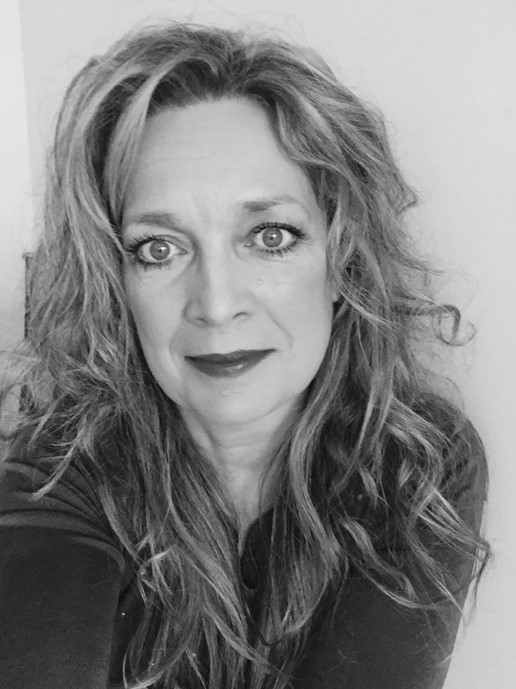
By Doc Courage!
(References for breaking generational curses: Exodus 20, Judges 3, 1 Samuel 12, 2 Corinthians 5, Romans 8, Romans 12)
#NaphtaliJRenshaw Accord1 BIPOC Black History Black Lives Matter Building the Bridge Together Carl McRoy Christianity Christmas Civil Rights Colorblind Critical Race Theory DEI diversity education empathy faith George Floyd God health history Imago Dei Indigenous Jesus Jim Crow justice Kevin Robinson lifestyle Martin Luther King Jr. mental health music news politics race Racism Reparations slavery social justice Systemic Racism Three-Fifths Inc. Three-Fifths Magazine threefifths.online Voice of Clarity White Supremacy
#NaphtaliJRenshaw Accord1 BIPOC Black History Black Lives Matter Building the Bridge Together Carl McRoy Christianity Christmas Civil Rights Colorblind Critical Race Theory DEI diversity education empathy faith George Floyd God health history Imago Dei Indigenous Jesus Jim Crow justice Kevin Robinson lifestyle Martin Luther King Jr. mental health music news politics race Racism Reparations slavery social justice Systemic Racism Three-Fifths Inc. Three-Fifths Magazine threefifths.online Voice of Clarity White Supremacy
Discover more from Three-Fifths
Subscribe to get the latest posts sent to your email.
 Three-Fifths