
Curiosity is one of the most natural human instincts. My 8-year-old asks “why?” constantly. Not to debate me, not to challenge my authority, but simply because he wants to know. He may not yet have all the tools or context to fully understand the answers, but the desire is there. And that is the point. The question is proof of a mind reaching for truth.
So why, as adults, would we not want to know?
In American history, segregation proved something we often overlook: the further apart we are, the less we understand each other. When distance becomes the default, whether physical, social, or cultural, empathy withers. Curiosity closes. And yet, knowing & accepting is how we repair what has been broken.
Think about it: what would happen if a mechanic did not know how to repair an engine? If a doctor did not know how to save a patient? If a teacher did not know the lived experiences of their students and, without intending to, caused them harm? Knowing is not optional. It is the foundation of doing anything well, especially when lives and futures are involved.
This is not about race alone. It is about humanity. Curiosity is the instinct to gather information, to understand as much as possible before acting. It requires that information be available, accessible, and unfiltered, even if the truth is uncomfortable. Especially if the truth is uncomfortable.
Sixty years ago, America made real progress for a nation that had once enslaved humans, and before that, driven Native peoples from their lands in the name of God and “Manifest Destiny.” Today, we hear echoes of that same thinking in white nationalist rhetoric claiming the United States “belongs” only to them. I recently heard a man insist he was “native” to this land, ignoring the Indigenous peoples who were here first and endured unspeakable violence. The Native children who were forced from their homes, the African children kidnapped and sold into slavery; they must have asked “Why? Why is this happening? What is it for?”
Even Thomas Jefferson, while drafting the Declaration of Independence, wrote a damning passage about slavery and its evils. But the Founding Fathers struck it from the final document because they did not want the new nation to confront that truth. In a journal entry from 1784, he wrote, “Indeed I tremble for my country when I reflect that God is just: that his justice cannot sleep forever… The Almighty has no attribute which can take side with us in such a contest” (QUERY XVIII). That “contest he spoke of, slavery. Wouldn’t we all have been better off if they, and we, had insisted on knowing more of this?
In 2025, truth has become a political commodity. That is dangerous because politics is wrapped in history, and history is the full picture of the human experience. When too few people have access to that full picture, or the tools to understand it, the result is a narrow, divisive game of “me versus them.”
We saw this in sharp relief on January 6, 2021. Thousands of people, driven by a false story about the 2020 election, gathered with unshakable commitment. At the core of that movement was a kind of curiosity, a hunger for answers to “what happened,” but it was poisoned by misinformation. That same intensity, that same willingness to act, could change the nation for the better if it were harnessed for truth, grounded in empathy, and committed to the full human story. Imagine what the United States could be if we sought facts with the same passion some pursued lies.
We should want our children to live in an America, and a world, where coexistence is natural, not forced. Because when we are gone, they will live with the political, social, and economic decisions we make today, just as earlier generations lived with the legacies of slavery, immigration prejudice, and Indigenous displacement.
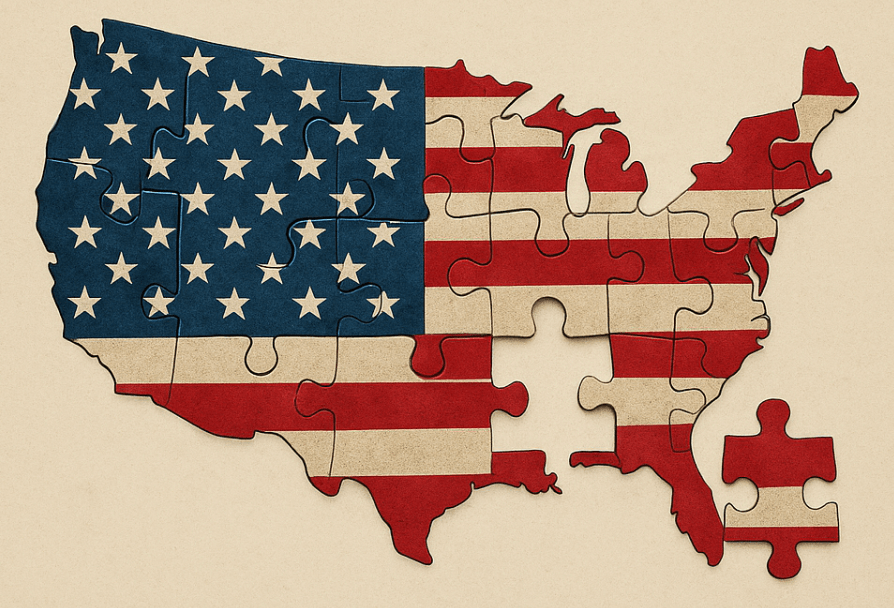
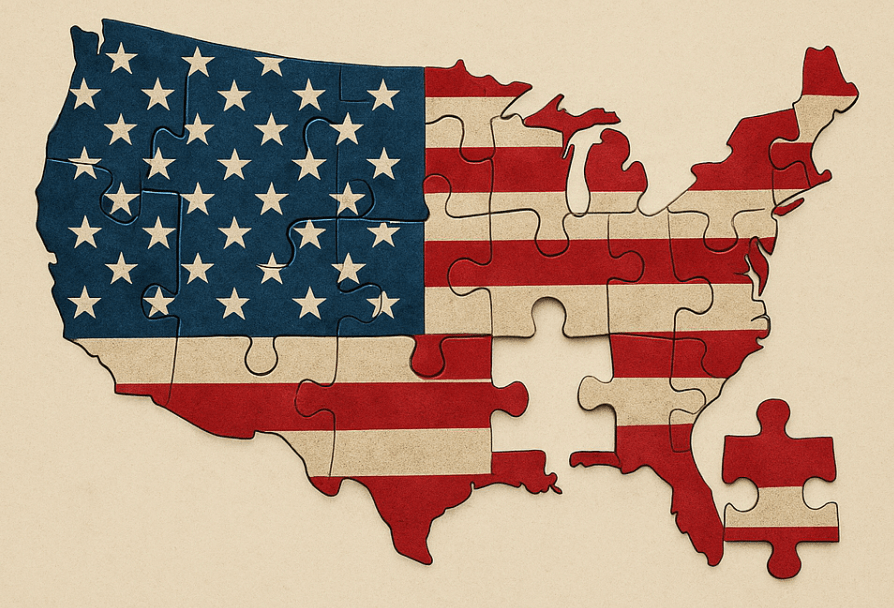
Civil rights icon and legendary Foot Soldier Ms. JoAnne Bland has a quote that sums up my point: “If your piece is missing, the picture isn’t complete. Why? Because you’re the most important piece.” In this case, the truth is the most important piece & if we want them to build something better, we have to ask the question now:
Shouldn’t we want to have all of the pieces before we decide?

Educator & Future Public Servant
(Inspired by those who led with truth)
Discover more from Three-Fifths
Subscribe to get the latest posts sent to your email.


I do not understand what “truth” you are speaking of. The historiography has vast knowledge of slavery and the displacement of nomadic tribes that settled in new lands for many millennia. These concepts are nothing new and are part of the human condition, whether we like it or not.
I am having trouble clearly understanding the argument here. The missing piece of the American experiment is unity. Unfortunately, politics is the main reason why we have been so divided in this country. Hell, politics explains the division of the entire world.
What academia gets wrong, is that we separated human history from our evolutionary timeline and forget we do not live in a vacuum. The USA is not the whipping boy or poster child for slavery or the displacement of native Americans. Many Asian, European, and African countries are.
I have read many of your articles, and I challenge you to step outside of your bubble and really take a closer look on what it means to be human. What you will find, is that we are a very completed species and we will always be destined to destroy ourselves. Once you understand and accept that, life will start to fall into place.
LikeLike
Kyle,
Thank you for the engagement and reading my articles. I will address your comments piece by piece and hope you walk away with a better understanding of the Truth I speak of.
The missing piece is embracing the history of our country, in totality. Lack of unity is a symptom of this. Politics is the reason for such division because it the institution of politics itself , was founded by racism.
America could have chosen to embrace the horrors of slavery in Jefferson’s first draft of the Declaration of Independence, but he & the founders chose not to do so. America IS the poster child for slavery because of the lack of acknowledgement that has only fueled the lasting ideologies into today. As a descendant, patriot, and lover of this country; The United States of America was one of the last countries to abolish the practice. This country is also one of the leading counties that perpetuates those lingering ideologies of the practice through systems & society.
To your last point about my “bubble.” It does not exist. however, I invite you to step into my perspective and view how this country views my “humanity.” I love my country, I love American History, and I love life, which is falling in place just fine.
Again, thank you for engaging and have a great day.
Take care,
Ivory L. Kennedy Jr.
LikeLike
Excellent comprehensive reply, Ivory.
LikeLike