
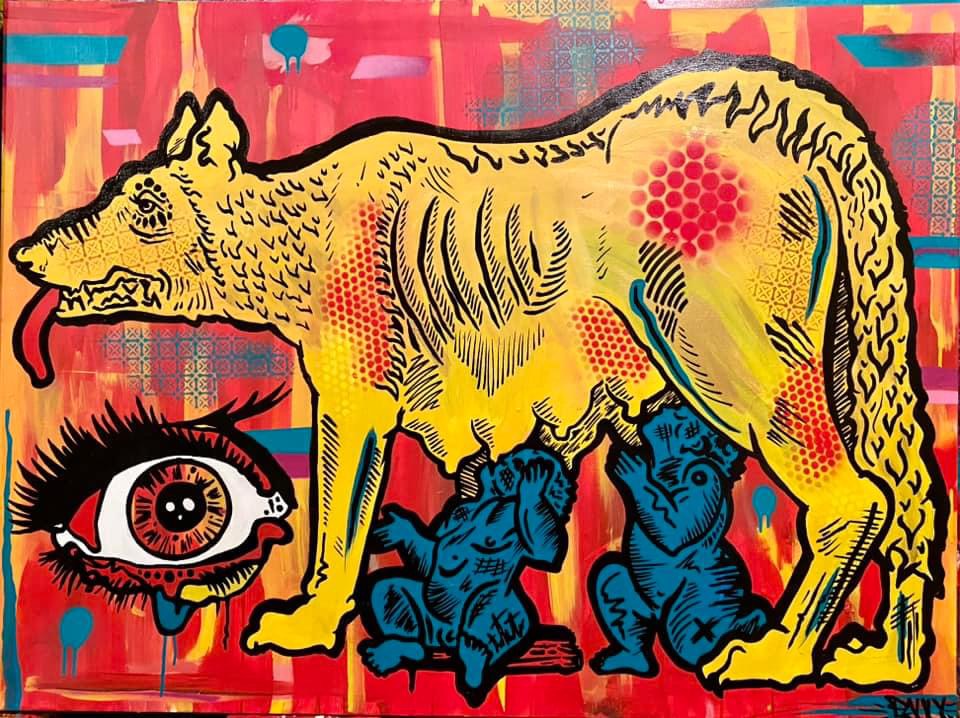
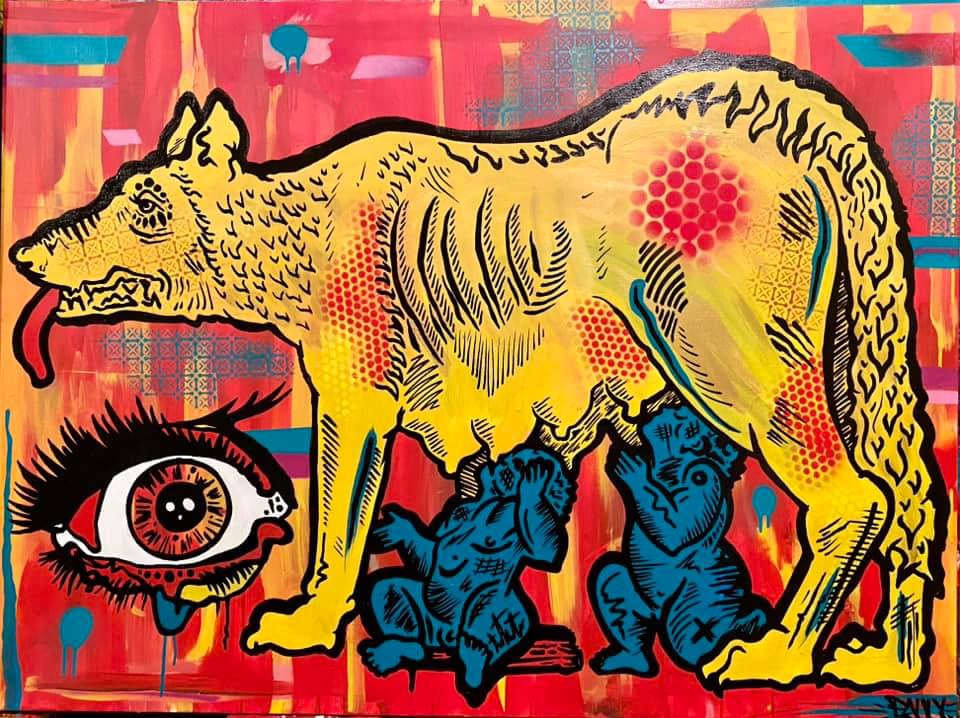
Embracing Cultural Identity and Diversity
In a world that often heralds the ideals of the “melting pot” and cultural colorblindness, the concept of assimilation appears to be a benign and aspirational goal. It suggests a harmonious blending of cultures, where individuals and groups adopt the characteristics of a dominant culture, ultimately becoming indistinguishable from the majority. However, this seemingly harmless narrative belies a profound historical and contemporary reality that demands our critical examination.
Understanding the Mirage
The term “mirage” aptly captures the essence of assimilation: it represents something that exists primarily in the mind and is not rooted in the lived experiences of many. While the idea of assimilation may sound appealing, it has historically served as a tool for hegemony—the dominance of one group over another. Through the lens of assimilation, the inherent complexities of cultural identity are often oversimplified, leading to a false sense of unity that masks systemic inequalities.
Historical Context
The term coined by Charles V. Hamilton “institutional racism,” and popularized by Stokely Carmichael in the 1960s, highlights the ways in which societal structures perpetuate racial disparities. While individual acts of racism—such as violence against minority communities—are openly condemned, the subtler, insidious forms of institutional racism often evade scrutiny. This disparity in condemnation reveals a troubling truth: the structures that maintain racial inequities continue to thrive even in the wake of civil rights advancements. Despite the progress made during the Civil Rights Movement, many racially disparate conditions persist today, revealing the limitations of an assimilationist approach.
The Role of Social Science
The social sciences have historically focused on individual behaviors and beliefs, frequently neglecting the institutional mechanisms that sustain racial disparities. This oversight has left policymakers ill-equipped to address the roots of systemic racism, resulting in solutions that fail to bring about meaningful change. The lack of comprehensive understanding of these issues contributes to the perpetuation of a societal mirage where the promise of assimilation overshadows the realities of ongoing discrimination and inequality.
Cultural and Civic Integration
The legacy of structural racism continues to influence urban planning and development, necessitating a thorough understanding of these dynamics to foster equitable practices. Eduardo Bonilla-Silva’s concept of “racism without racists” illustrates how institutions can perpetuate racial inequalities while appearing race-neutral. This phenomenon complicates the dialogue around assimilation, as it underscores the need for genuine engagement with the complexities of cultural integration.
Contemporary Perspectives
Prominent thinkers like Kwame Anthony Appiah and Kenan Malik, also provide critical insights into the challenges of assimilation in contemporary society. Appiah’s whose highest-profile books include “Cosmopolitanism: Ethics in a World of Strangers,” from 2006; “The Honor Code: How Moral Revolutions Happen,” published in 2010; and “The Lies that Bind: Rethinking Identity,” from 2018, reflects on W.E.B. Du Bois’s ideas regarding the “color line,” emphasizing that racial inequality persists despite appearances of progress. Meanwhile, Malik’s examination of multiculturalism reveals how policies intended to manage diversity can lead to social fragmentation, further alienating immigrant communities.
In Latin America, Deborah J. Yashar discusses the historical suppression of racial identities and the myth of racial democracy, highlighting the ongoing struggles faced by indigenous populations. Similarly, Michelle Alexander’s work, “The New Jim Crow,” illustrates how mass incarceration functions as a modern racial caste system, perpetuating discrimination against people of color. In Matthew Desmond’s ethnographic study which became the book “Evicted: Poverty and Profit in the American City.” This study has shown while a majority of black men have been incarcerated, a majority of black women and their children have been kept from gaining a foothold due to perpetually high rates of eviction.
A Call for Action
As we delve into the complexities of assimilation, it becomes evident that a reevaluation of policies and practices is urgently needed. The emphasis on civil society engagement is crucial; fostering human-to-human relationships can help address the multifaceted challenges of cultural integration.
Celebrating Our Differences: Embracing Cultural Diversity in Urban Spaces
In a world that often gravitates toward “colorblind” ideologies and melting pot narratives, the work of cultural philosopher Dr. Eric Corijn offers a refreshing perspective on how cities can thrive by celebrating cultural differences rather than masking them. His insights challenge us to rethink our approaches to urban living and the ways we interact within diverse communities. Here are the key points drawn from his work and related thinkers:
Urbanity as a Space for Difference:
Dr. Corijn posits that cities should be seen as spaces that embrace and celebrate differences rather than trying to homogenize cultures. He asserts that our coexistence is built on recognizing and valuing our differences, which can inspire creative exchanges and meaningful interactions.
Glocalization:
Corijn introduces the concept of “glocalization,” which combines globalization with localization, emphasizing that urban spaces are shaped by both global influences and local cultures. This
duality allows for a richer, more diverse urban tapestry that reflects the multifaceted nature of contemporary society.
Rejecting the Illusion of Commonality:
Historically, the idea of commonality has been a false lens through which urban life is viewed. Corijn argues that the illusion of bonding based on sameness has masked the deeper connections formed through shared struggles and differences. Embracing our unique identities can lead to more authentic community bonds.
The Importance of Diverse Communities:
Corijn emphasizes that different communities must have their place in cities. The traditional notion of nation-states, which often demands assimilation into a singular identity, is incompatible with the realities of urban life. Acceptance of diversity, rather than enforced sameness, is essential for vibrant urban environments.
Participatory Democracy:
Urbanity thrives on participatory democracy, where diverse voices contribute to decision-making processes. Corijn advocates for a model of urban governance that includes all community members, allowing for a co-production of space that honors different cultures and experiences.
Learning from Historical Context:
The historical context of urban development reveals that cities have always been dynamic spaces influenced by migrations and cultural exchanges. Dr. Jane Jacobs’ work reinforces this idea by highlighting the importance of community involvement in urban planning and the need for policies that reflect the realities of diverse urban populations.
Recognizing and Addressing Urban Challenges:
Mindy Fullilove’s concept of “root shock” illustrates the trauma experienced by communities displaced by urban policies. Understanding these dynamics can help us create more inclusive urban spaces that recognize the emotional and social needs of diverse populations.
Latino Urbanism:
Mike Davis explores how Latino populations are reshaping urban environments in unique ways. Rather than assimilating into a singular narrative, these communities are forging new identities that blend cultural heritage with urban living. This transformation challenges traditional views of urban identity and encourages a more pluralistic approach.
Creating Meaningful Spaces:
Philosopher Susan Langer’s insights on symbolization highlight the importance of language and symbols in shaping our understanding of urban spaces. By actively engaging with the symbolic
meanings attached to our environments, we can foster a deeper sense of community and belonging.
A Vision for the Future:
As we move forward, it is crucial that we embrace the idea of cities as living entities that reflect the diversity of their inhabitants. By rejecting outdated assimilationist views and instead celebrating our differences, we can create urban spaces that are not only sustainable but also vibrant and resilient.
In conclusion, the work of Dr. Corijn and others reminds us that our cities can be powerful agents of change when we acknowledge and celebrate the rich tapestry of cultures that inhabit them. By fostering an environment that values diversity and promotes inclusive practices, we can work towards a future where all individuals are empowered to thrive in their unique identities, contributing to the collective strength of our urban communities.
Navigating the Challenges Ahead
The dialogue surrounding cultural assimilation is far from resolved. The dynamics of race and identity in both the U.S. and Europe remain contentious, and the mirage of assimilation continues to obscure the harsh realities of systemic racism. As we navigate these challenges in the 21st century, it is imperative that we engage in nuanced discussions that acknowledge the complexity of cultural identities and strive for true civic integration and equality.
In doing so, we can dismantle the mirage of assimilation and work toward a more just and equitable society for all.

References
1. Alexander, M. (2024). The New Jim Crow: Mass Incarceration in the Age of Colorblindness. Office of Justice Programs.
https://www.ojp.gov/ncjrs/virtual-library/abstracts/new-jim-crow-mass-incarceration-age-colorblin dness
(https://www.ojp.gov/ncjrs/virtual-library/abstracts/new-jim-crow-mass-incarceration-age-colorbli ndness)
2. Appiah, K. A. (2023). Race in the modern world. Foreign Affairs Magazine. https://www.foreignaffairs.com/articles/united-states/2015-03-01/race-modern-world (https://www.foreignaffairs.com/articles/united-states/2015-03-01/race-modern-world)
3. Corijn, E. (2023). Eye to eye. https://www.eye-to-eye.online/eric-corijn (https://www.eye-to-eye.online/eric-corijn)
4. Corijn, E., & Groth, J. (2005). Reclaiming urbanity: Indeterminate spaces, informal actors and urban agenda setting. Urban Studies. https://doi.org/10.1080/00420980500035436 (https://doi.org/10.1080/00420980500035436)
5. Fullilove, M. (2005). Root Shock: How Tearing Up City Neighborhoods Hurts America and What We Can Do About It. New York, NY: One World Publications.
6. Fullilove, M. (2013). Urban Alchemy: Restoring Joy in America’s Sorted-Out Cities. New York, NY: New Village Press.
7. Jacobs, J. (1961). The Death and Life of Great American Cities. New York, NY: Random House.
8. Langer, S. K. (1953). Feeling and Form: A Theory of Art. New York, NY: Charles Scribner’s Sons.
9. Malik, K. (2015). The failure of multiculturalism. Pandaemonium.
(https://kenanmalik.com/2015/02/17/the-failure-of-multiculturalism/)
10. Malik, K. (2016). What’s the problem with multiculturalism? Pandaemonium. https://kenanmalik.com/2014/10/16/whats-the-problem-with-multiculturalism/ (https://kenanmalik.com/2014/10/16/whats-the-problem-with-multiculturalism/)
11. Yashar, D. J. (2023). Does race matter in Latin America? Foreign Affairs Magazine. https://www.foreignaffairs.com/articles/south-america/2015-02-16/does-race-matter-latin-americ a
(https://www.foreignaffairs.com/articles/south-america/2015-02-16/does-race-matter-latin-americ a)
12. White, J. B. (1984). When Words Lose Their Meaning. Chicago, IL: University of Chicago Press.
13. Giddens, A. (1984). The Constitution of Society: Outline of the Theory of Structuration. Berkeley, CA: University of California Press.
14. Davis, M. (2000). Magical Urbanism: Latinos Reinvent the U.S. City. New York, NY: Verso. 15. Carmichael, S. (2024). Black Power: The Politics of Liberation.
Discover more from Three-Fifths
Subscribe to get the latest posts sent to your email.

 Three-Fifths
“LUV the MIND under the Hat!”
LikeLike