

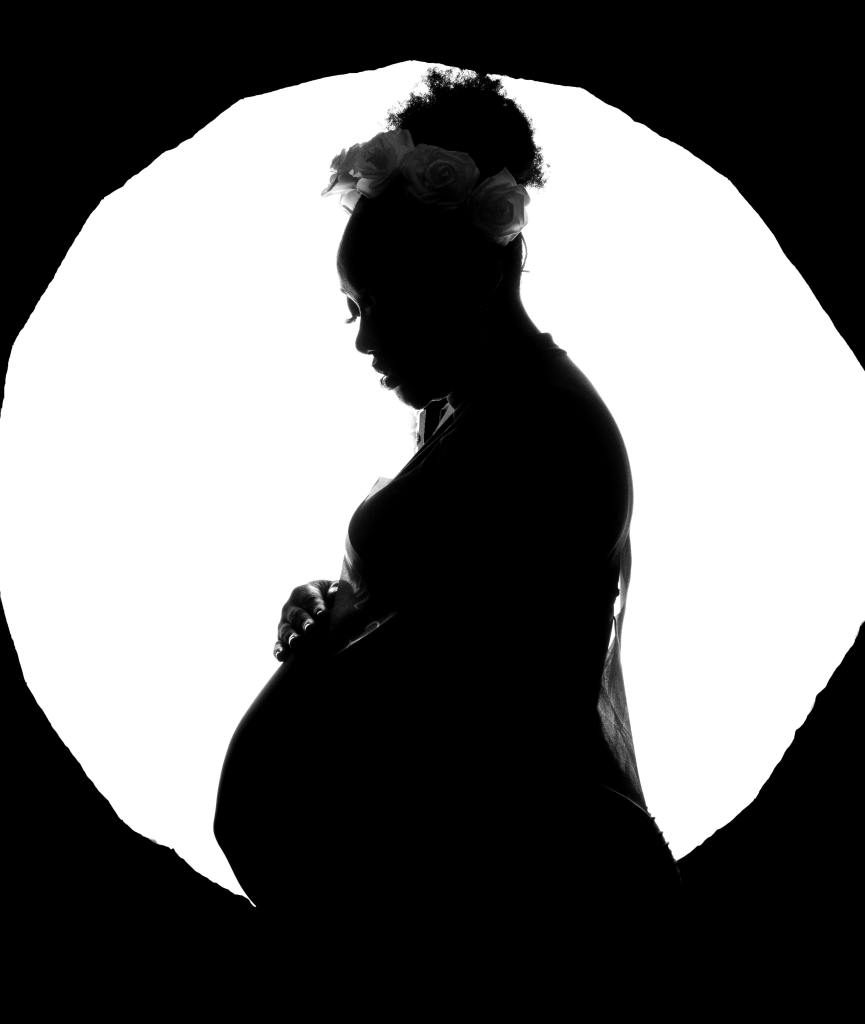
I am a Black woman with a doctoral degree who is relatively healthy and by the time I turned 35, I had undergone multiple surgeries, experienced several pregnancy losses, and faced a near-fatal battle with sepsis. Sepsis is a life-threatening reaction to infection, and Black people are 1.57 times more likely to die from it than white people (Lancet). I developed sepsis after a particularly traumatic pregnancy loss. After the loss, I was experiencing intense pain and other symptoms for days. I visited three doctors asking for help, and each doctor dismissed my pain and sent me home.
A few days later, my husband found me unconscious and bleeding on the bathroom floor. I was rushed to the hospital by ambulance, and the next day, a white doctor—called in from his weekend in the Hamptons—told me I was being sent home again. If it hadn’t been for the Black attending physician who overrode his decision, recognized I had sepsis, and administered two weeks of life-saving antibiotics, I’m certain I wouldn’t be here today.
According to the CDC, Black women are three times more likely to die from pregnancy-related complications than white women, a deeply troubling statistic in a country where 80% of these deaths are preventable (CDC). Unfortunately, my experience is far from unique. I stand alongside countless Black women and birthing people—such as Serena Williams, Beyonce, these two mothers from Georgia,—whose concerns have been dismissed, regardless of income or education, often with devastating or near-fatal consequences. The rates of Black maternal mortality are, in fact, worsening over time. CDC defines health equity as “the state in which everyone has a fair and just opportunity to attain their highest level of health” and it is clear to me we are far from that in this country.
The high rates of Black maternal mortality and pregnancy-related trauma are a stark reflection of the perfect knot of racism that we Black women often find ourselves in. Yes, medical racism plays a role. Doctors come into medicine with their own internalized biases about Black women, and instead of challenging these biases, the system reinforces it. Doctors often train in under-resourced hospitals in communities of color without any education on the historical context or systemic racism that is impacting what they are seeing and most importantly, how they are seeing. A study identified that sixty-percent of the white medical students and residents in their cohort believed Black people had thicker skin than white people (PNAS). I happened to see this article before meeting a white female doctor who told me her blood draw wouldn’t hurt because my skin was “thicker”.
Doctors are socialized to both see Black people as drug seekers (as though those with addiction don’t deserve dignity and care) and to believe we have higher pain tolerances (Harvard). As a young psychologist working in a city hospital, I understood this instinctively. I would call ahead to emergency rooms on behalf of my patients of color because, too often, they were turned away or dismissed as soon as ER staff saw in the system that they were in therapy. When I called ahead, though, with my white-passing voice and credentials, they would get treated.
Aware that we’re often met with racism in our most vulnerable moments, many Black women feel compelled to dress in “nice clothes” for appointments as though it is a camouflage for our Blackness. Too many of us hold back from asking questions or advocating for the care we deserve, fearing being labeled difficult and receiving even worse treatment. After all, they aren’t above handcuffing and shooting Black women when pregnant, so who knows what they might do if they think we are too uppity.
Medical racism and learned voicelessness aren’t the only causes of health inequity when it comes to Black maternal health. It’s also the cumulative, intergenerational impact of both historical and present-day systemic racism and trauma on our minds, bodies, and spirits. Dr. Arline Geronimus has coined the term “weathering” to describe this phenomenon. I also think of it as the dark side of our resilience, the health impact of being Strong Black Women for generations in a country that continues to enact violence and weaponize systems of “care”. As a result, Black women and birthing people are more likely to have pre-existing conditions that put them at higher risk for life-threatening conditions such as preeclampsia, postpartum hemorrhage, and blood clots, along with higher rates of pregnancy-related complications like preterm birth and low birth weight (WGWH).
Tackling the Black maternal mortality crisis in this country requires a multi-systemic effort addressing policy, training, resources, access, and healing. There are some organizations doing incredible work that deserve more support, like Shades of Blue Project, Sista Midwife Productions, Black Mommas Matter Alliance, Hummingbird Indigenous Family Services, Embrace Black Care, Village of Healing, Abundant Birth Project, and Centering Healthcare Institute.
I think for each of us, we need to think about how we can be a part of undoing this crisis. As a therapist and coach of Black women, my work is necessarily holistic. I support my client’s physical, spiritual, and emotional health, address the impacts of intergenerational trauma and racism, and identify strategies to overcome voicelessness, and advocate for self and others. I try my best to take care of myself as well and make sure my family and friends know of these issues and how to advocate best for my sisters and me when it’s needed.
Discover more from Three-Fifths
Subscribe to get the latest posts sent to your email.
 Three-Fifths
Great article! Dr. Michelle Ned, Doctor of Behavioral Health
LikeLike