
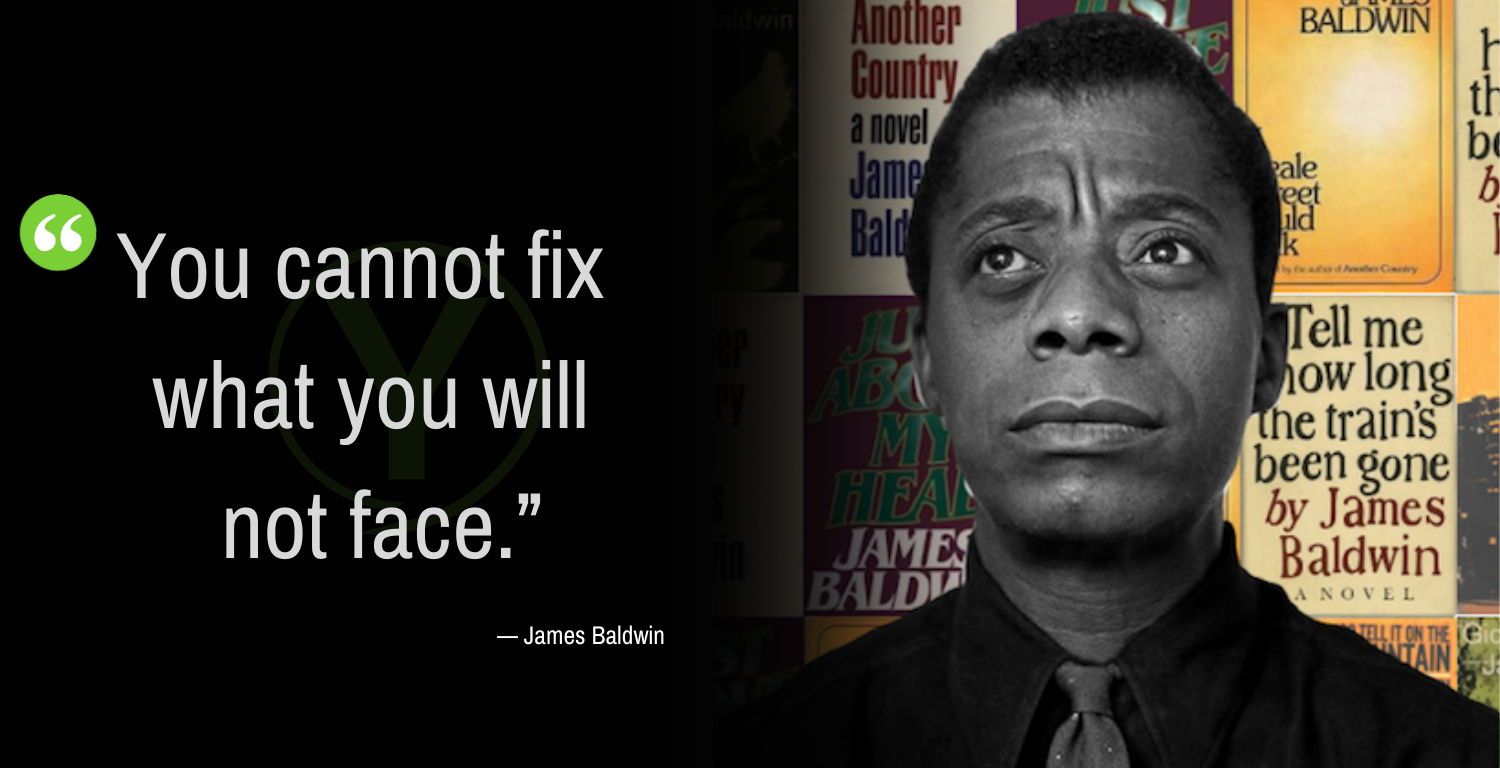
The subtle yet harmful behavior of microaggression is so ingrained in the fabric of American society that it is almost impossible to believe that we will ever cease this practice of subtle discrimination. Our biases are so built into the American fabric, that it feels like a second skin that will never shed.
I have always had a healthy sense of self but it has been recently challenged with a new client lately. I am working with a community of people who have been affected by trauma and these people live their trauma daily…almost like breathing every day. I always thought that black and brown people had the corner market on microaggressions hurled against them, but these clients have lived with stares of hate and confusion, for a very long time. I work in the LBGTQ+ community.
Growing up in America, when you interacted with people of a different race (and particularly white people) in a public setting, you would sometimes hear the “All Lives Matter” phrase that was meant to make you feel at ease about being black in a white society. When those same people felt challenged about their assumptions, you would hear “I am colorblind” or “When I look at you, I don’t see color.” These are some of the most painful and hurtful microaggressions because they are lies people tell themselves.
The truth is that we all see color. The truth is that race and class matter most in America and around the world. It is undeniable that the African American community has experienced unmeasurable challenges as a race. The truth is that being different, either by race, gender, or sexual orientation, hurts at times. People will make assumptions and judgments regarding you and paint broad strokes of microaggressions about your community as clearly as they drink a glass of ice-cold water on a hot summer day.
People of color and the LBGTQ+ community have been carrying the burdens of microaggressions hurled against them for a very long time. When your load is heavy and no one reaches out to help ease the load, it becomes difficult to recognize the burdens of others and almost impossible to help them. But can we learn to be anti-racist? Can we be taught to be less homophobic?
It is easy to think that as adults (individuals over the age of 21 years old), we have grown in our knowledge of racism and we have matured in our beliefs about how to be anti-racist. The truth is that our early beliefs about racism; were shaped by our families, communities, and our personal experiences. Many of those same beliefs are triggered in our minds as adults when we interact with people of different races, ethnicities, and genders. We must psychologically “fight against” those negative thoughts and stereotypes if we truly want to be anti-racist. It takes hard work and a lot of mental mind re-mapping to adjust our way of thinking about race.
Many do not want to put in the work required for that mental paradigm shift. As adults, we assume that we are fully developed mentally and do not need to place ourselves in the awkward “student” stage again. This is one of the biggest reasons that microaggressions occur so frequently. We mindlessly think that we have evolved as humans and that the person we are addressing will understand our intent.
I once believed that the LBGTQ+ community’s struggles were somehow different from the plight of black and brown people. I learned quite quickly that this belief was untrue. Every community has different nuances and struggles, but they all point in one direction. That direction is the need to be respected, seen, and heard. We do not need to be validated by any certain race of people. We all exist. Yes, you do see color and gender when you look at a stranger, but if get cut, we all bleed red blood.
I believe that I have made modest improvements in my knowledge of microaggressions and its hideous cousin gaslighting, and I will always sit in the “students” chair. Working in a community that shares similarities in terms of being the target of hateful speech and microaggressions, this role allows me to practice how to be anti-racist. Working within this community has given me insights into the pain that is inflicted on so many people because of their differences.
We are all created equal by our creator, and God does not love or favor any one group of individuals. I am so very grateful for that fact. There will always be individuals who use microaggressions and gaslighting tactics to show their superiority. My suggestion is to be curious about that person and why they made that remark. Ask questions and speak out to share your story. I believe that is WJWD.

Discover more from Three-Fifths
Subscribe to get the latest posts sent to your email.


