
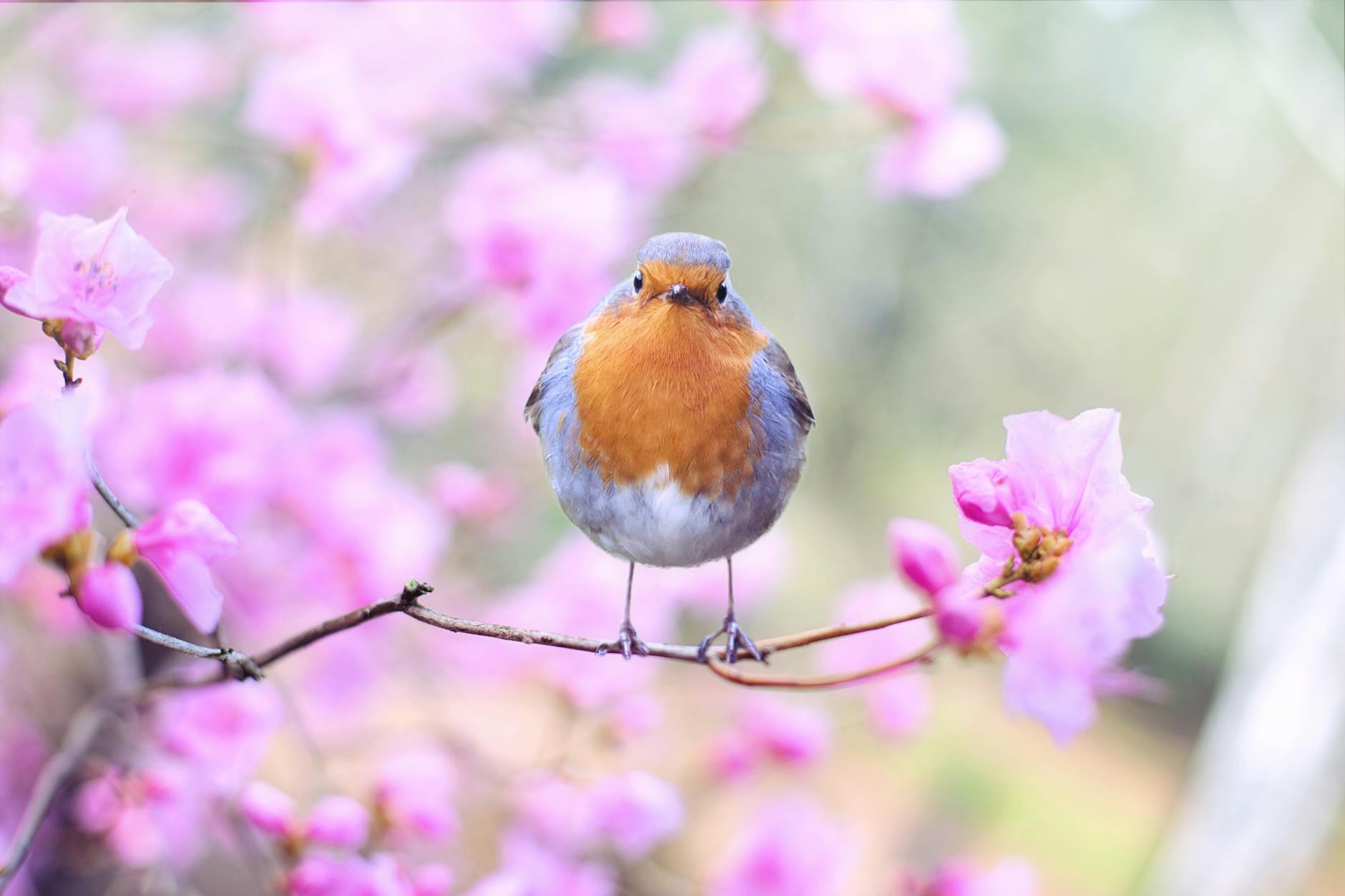
Although my seasonal allergies would disagree, I love the spring. It is amazing to see trees take on a new shape as tiny green buds appear on their branches, signaling the start of a new season. We know from experience that those buds eventually turn into green leaves.
Trees, much like some animals that hibernate in the winter months, have a spirit of resilience that is a perfect metaphor for the struggles that people of color have experienced on the journey that we call American life. As the tree that bears a strong resilience in the face of a tropical storm, we continue to fight for our existence in a country that only wants to cut us down.
When the seeds of change are planted in the human spirit, many things can occur along the journey. I often think about the seeds that lay dormant in the minds and hearts of the slaves who were shackled and chained on ships heading to the United States, Portugal, France, England, and Spain. I can almost smell the fear and abandonment that they must have felt as they were transported through this horrific experience, only to get to the appointed destination and be brutally beaten, disrespected, and abused at the hands of its white oppressors.
I envision their planned mental escape when they learn how to read, write, and speak the language of their slave masters. I realize that I am the dream of my ancestors. I am a culmination of their wishes, hopes, and dreams of a better future for themselves and their children. I appreciate the struggle of my ancestors now more than ever, but I also feel the pain of their unresolved racial justice issues, bigotry, and hatred just because they have more melanin in their skin than other people. People of color must remember that it is not the melanin on their skin that makes them human but the resiliency in their hearts that shapes their futures.
It is written that the seeds of Diversity, Equity, and Inclusion in America were planted in the early 1960s. As you can recall, this was a time of social change and political unrest in America. American companies were at a crossroads while laws were enacted around Equal Employment Opportunity and affirmative action were being cemented in our workplaces. Many people of color thought that this would end workplace discrimination and that the tidal wave of change would be ushered in America.
It was the dream that America would rise and be the resilient country of immigrants that it has always been. This dream was once again deferred. Diversity, Equity, and Inclusion became “The Thing” during the civil rights movement in the 1960s. Race was considered the dominant focus during the early DE & I years. In the 1970s and 1980s, DE & I expanded to include different groups.
As the United States experienced its growing pains as a nation, it became clear to most companies that the real value of embracing Diversity, Equity, and Inclusion at work was to generally help create a work environment in which people of all backgrounds and cultures could feel comfortable and work together more effectively. Companies began to embrace D E & I because of profits and not brotherly love. Many barriers, such as negativity, conscious and unconscious bias as well as stereotyping, still existed, never allowing D E & I to truly blossom. Still, D, E, & I were as resilient as a tall oak tree.
In America, societal norms deeply rooted in racism and classism were spread like fertilizer to the D E & I tree. Everyone deserves a right to be able to showcase their work skills and embracing Diversity, Equity & Inclusion gives everyone that chance.
Fast forward to the George Floyd protests and the Black Lives Matter movement, Diversity, Equity, and Inclusion’s platform was temporarily elevated. But like a Christmas tree, with its bright lights, festive decorations, and shiny stars, D E & I efforts have been placed in the seasonal tote bin in the garage (“to be addressed next year”).
Today, there are many reasons why American pundits are negative about integrating D, E, and I. These pundits often say that employees are fatigued with D, E, and I efforts or cite backlash regarding D, E, and I initiatives. The winds of public opinion are strong and can be relentless.
Increased political discourse and controversies will always surround Diversity, Equity, and Inclusion efforts, but the core mission has remained the same. The resiliency of D, E, & I reminds me of Psalms 1:3-6 (KJV): “And he shall be like a tree planted by the rivers of water, that bringeth forth his fruit in his season: His leaf also shall not wither, And whatsoever he doeth shall prosper.”

Discover more from Three-Fifths
Subscribe to get the latest posts sent to your email.

 Three-Fifths
Building societal norms requires the need to build meaningful relationships with community members who respect diversity and equality. This leads to a greater sense of resiliency.
LikeLike