
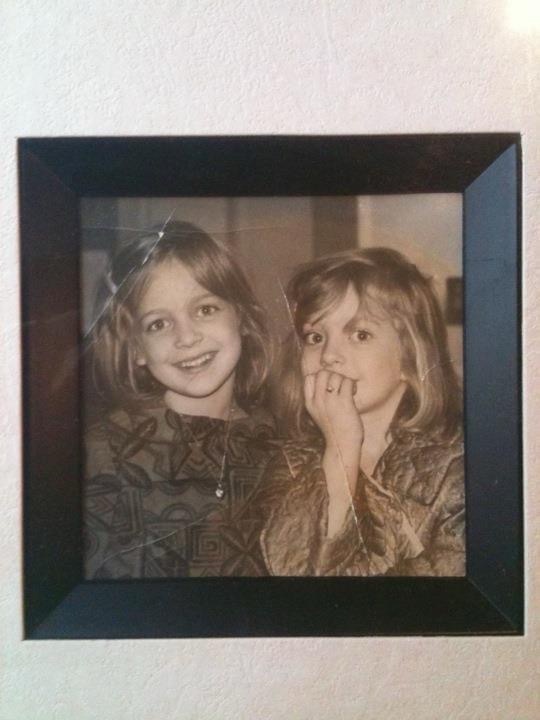
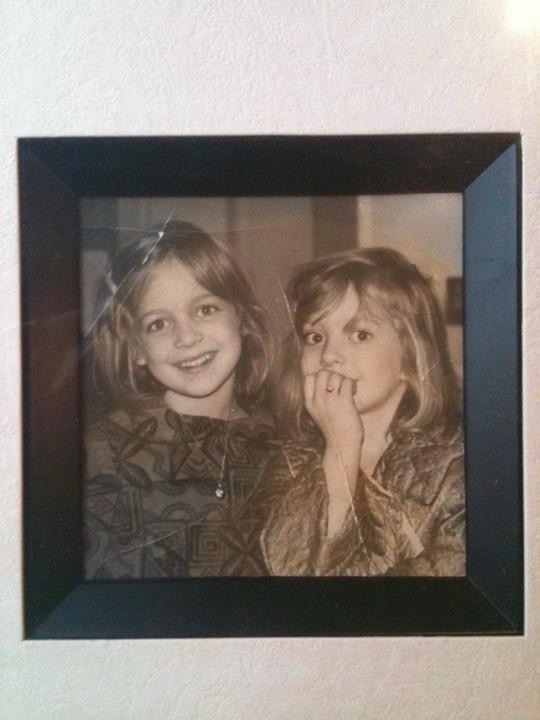
I grew up “fighting for survival.” Everything was a fight, from safety on the school bus to making sure to obey the letter of the laws of my parents so that there would not be a beating. To avoid my own beatings, I often resorted to throwing a punch or two towards one of my younger siblings who often refused to do their part of the chores assigned before mom and dad came back home. Of course, I felt bad about it, but I reasoned my one punch was much less painful than would be our multiple lashes with the belt.
We were a military family, after all, and perhaps it was the core value of the career my father chose that normalized the violence of the belt and the hand. Or maybe the military was his choice because of his desire for power and violence? Perhaps the violence was a fruit of the overall culture in which we existed as Americans, particularly in the Vietnam era for which he enlisted.
It’s kind of a “chicken and the egg” question for me, “Which comes first, the violence of the culture or the violence of the family? Which leads the other to the violence of individuals and a collective of violent individuals which become the dominant cultural way of doing things around here?”
As I reflect on the angry and occasionally aggressive person I used to be, I have realized that the anger came from the pain of a broken heart and the use of physical violence was usually an effort to prevent further injury to my vulnerable self. I have also realized that my own violence for the sake of survival never resulted in peace, only fear, and more brokenheartedness along the way.
In my childhood places of worship, much emphasis was put on the anger of God and the violence that would come with it. Even though John 3:16 was a verse everybody memorized, very little emphasis was put on loving as God loves us, loving our neighbor, and honoring the dignity in every human being simply because each person is created in the Image of God, and loved and valued highly by our Creator. As I have begun to heal, I have noticed so many things about our cultural belief system and language that feed the belief in violence as justified, even “Godly.” Therefore, we have a very difficult time understanding how to love our neighbors, family members, and even ourselves.
It is very difficult to learn how to love people who hurt you and hurt you repeatedly, and rarely change, if ever. It is difficult because all we can see or feel in our injured state are our own wounds.
As I have walked the long path of recovery, I have discovered a few things about peace:
Peace begins with forgiveness of those who hurt me and seeking forgiveness of those I have wounded. Forgiveness can happen without apologies or the offender’s permission. I can choose to walk in forgiveness which not only applies to specific incidents of harm but also to a general covering of peaceable thought and action even when the other person does not apply the same graces towards me. Forgiveness means that even though I may have painful memories I relinquish the desire for harm or revenge on that person to God. I pray for them. I bless them instead of cursing them. I hope the best for them. It may also mean that I go my own way without them. Rather than holding a grudge, I create a boundary for myself if necessary.
Peace grows with my forgiveness of myself. Just as we can hold grudges against others if we do not choose a lifestyle of forgiveness towards them, we can hold grudges against ourselves in the form of shame. Guilt is the righteous feeling of having done something wrong that we need to make right. But shame is the voice of the accuser, seeking to condemn us for something that was not even our choice. The accuser uses shame to cause us to hide. When we forgive ourselves for the shame that has been mounted on us, we can have peace within. Peace with myself empowers peace with others because I no longer have a need to fight, argue, or prove myself innocent, or right. I can let others be and think what they will and realize that I am safe now, especially with myself.
Peace with God is essential for a redemptive life. I was angry and confused with God. I did not understand why a loving God would allow me to be abused physically, sexually, and emotionally by my earthly father. I thought it was a value statement about what I was worth to this God. I thought I was cursed. I figured if God was who they said he was, he could handle my anger and help me heal. I stayed in the relationship, even forgiving God for what I misunderstood to be his lack of concern and action on my behalf. We have worked most of those things out in the last 46 years since I decided to give Jesus my life.
It was when I escaped the lifestyle of abuse from my father and first husband that I began to understand peace. I had become so addicted to the adrenalin of fight and flight that I often felt restless, anxious, and bored when things became too quiet. I had a trauma bond with abusers, and with anger. I had to break up with my own addiction to chaos and abuse. In the silence of safety, I began to experience peace.
It has been 23 years since I divorced the abusers. I am still learning how to walk in peace with myself and others. I think the world we live in is in much need of peacemakers. Peacemaking doesn’t mean that we do not engage in worthy “battles” such as the battle for racial justice, or the battle against misogyny in the church. Sometimes peacemaking means we speak up for others. At other times it means we shut our mouths of self-defensive arguments.
Peaceableness means that instead of “blowing up the bridges” with aggressive words we build bridges of reconciliation through patience, tenderness, gentleness, kindness, forgiveness, restoration, restitution, and sacrificial love.
When we build these bridges instead of walls, the world within us will change. Only then will we begin to change the world around us. We will treat our enemies with kindness. We will treat our bad neighbors with concern. We will vote for the protection of innocents by putting leaders in place who are not themselves verbally violent, who feed the war machine. We will abandon our self-serving individualistic mentality and our love will grow beyond ourselves and our own families. Our peace will then be strong enough to include strangers, unbelievers, and even our perceived and real enemies.

Learn more about building peaceful, rewarding relationships with others by getting my book, Loving Our Neighbors: A Transformative Communication Guide, Available on Amazon. https://www.amazon.com/Loving-Our-Neighbors-Transformative-Communication/dp/B09LWP18WV
Discover more from Three-Fifths
Subscribe to get the latest posts sent to your email.
 Three-Fifths