

It was a warm early September day, much like any other foliage-inundated late summer/early Autumn Day. There I was, a young explorer, navigating the fertile lowlands off the half-acre in the backyard with no Diversity, DEIB, or DEIBA certifications for life lessons I was to learn that day. Heck, I was all but 7 years old and awkwardly, albeit eagerly, awaiting another birthday.
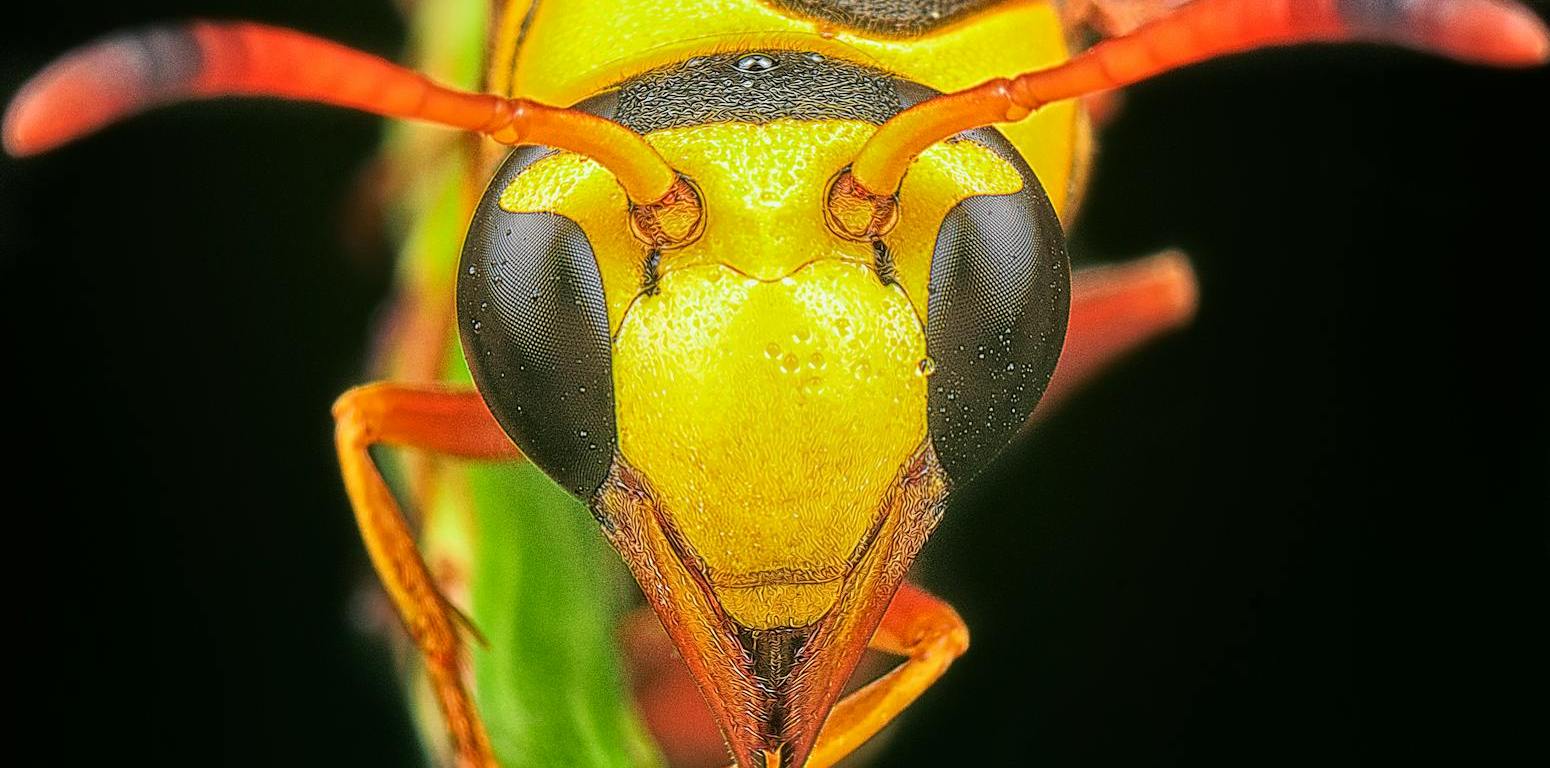
Suddenly, there it was. Standing out among all the green. Like a diploma in the hands of that stingy professor. You know him, the one who made you sweat out that last term paper or dissertation. In the clutches of those grappling blades of grass was the full menagerie of my dreams, fears, wonder, and, yes, Curiosity personified in that black, yellow striped question that had eluded me all those long (7) years.
Let me provide some background. Most of my friends in my old neighborhood, as well as many in the new one, and even my sister, who played with Barbies and danced ballet, experienced graduation as a rite of passage. These experiences seemed to be a multitude of responses to the sting of the Bee. I couldn’t get it out of my mind, the shrieks and wails of one of my best friends as he ran to his front door. This was so strange to me. These little insects, with even smaller stingers, could inflict so much pain. Why would people run at the sight of one? I would even run, though I did not clearly understand why.
That day was my graduation day to experience what my friends and, yes, even my sister, felt. I got as close as I could, raised my hand, and slammed it against the pitch of the lawn like the nimblest flyswatter that you could ever imagine.
The pain was slow in coming and initially dull. Then the dullness seemed to braid itself into the tightest little blood-curdling, excruciating spike of pain that only belongs on the silver screen, not to be agonizingly felt in the palm of my hand. All the while. Though not audible, I could hear my mind saying, “Self. Why Did You Do That?” as I reached to pull out the stinger, all the sudden I felt a closeness to all those who had gone before me with the bee sting. I still said nothing, but one by one, each memory of the reactions of others poured before me.
I was a child who had a vocabulary well beyond my years. The two words that would resonate with me on that day, no, I mean, really captured my imagination, were Curiosity and Empathy. The two are eternally connected like Love and your favorite person in the world, or at least your favorite flavor of Ice cream. Why do we Americans seem so stagnated in our siloes of self-righteousness and misunderstanding? Curiosity needs to be given a place in the front and center of every education system, classroom, boardroom, and political caucus.
“Without curiosity, we will have no drive to explore, to learn, or to grow intellectually. Without empathy, we will have no ability to understand and share the feelings of others.”
Christine Petersen PMP
When Curiosity is at the forefront of the classroom, the fear of discovering the truth subsides due to the presence of empathy. Empathy was once described as walking in someone else’s moccasins. The warmth of someone’s shoes makes the curious journey into the worlds of “The Others” not so cold and frightening. “Without curiosity, we will have no drive to explore, to learn, or to grow intellectually. Without empathy, we will have no ability to understand and share the feelings of others.”
Christine Petersen PMP September 29th, 2023 LinkedIn article entitled The Importance of Curiosity and Empathy and the link between the two.
In the same article, she continues, “Curiosity and empathy are two powerful traits that have a profound impact on our personal growth, relationships, and understanding of the world.”
Three-Fifths Magazine was installed to dismantle systems, and in particular systemic racism. These systems are not just empty monoliths void of feelings and emotions. They were built by people who were very much emotionally fueled by self-justifying hatred driven by fear. Curiosity doesn’t return hatred for hatred. Curiosity is brave enough to ask the question Where did this come from? Empathy must be present with Curiosity, or else cruelty begins to lay foundations upon which systems are built. Take J. Marion Sims, who is known as the father of modern Gynecology. He was no doubt curious as he performed experimentation on three slave women, Anarcha, Betsy, and Lucy, because they could no longer do hard labor due to their medical conditions. Dr. Sims’ experimentation only made things worse. He would not use any kind of anesthesia on these women.
Curiosity without Empathy can lead to cruelty and harm. Many modern medical practitioners secretly and some not so secretly subscribe to the adage that black people have a higher-than-normal pain tolerance and they cannot feel pain as others do. According to Verywell Mind’s August 30, 2022, article by Kendra Cherry, MSEd, entitled “How to Be More Empathetic, “When trying to be empathetic towards others, be aware of your own biases and preconceptions.” Everyone has unique experiences and perspectives shaping how we see the world and its people. Think about how your own biases might affect how you view someone else’s situation and then try to set those feelings aside to see or feel things from their perspective.”
The kind of curiosity that produces the brand of empathy capable of changing the temperature in the room, let alone a nation, along with the generations that follow, is comprehensive.
Grappling with all the beauty, unpredictability, and the flaws of humanity, that seven-year-old in the backyard ultimately wanted to belong, even if it meant going through some challenges, call it “The Sting of Curiosity.” Yes, it took an uncharacteristically long time to get back to this article’s title. Much like the way curiosity must play the long game at times. The answers, let alone the results of the inquisitive quest, may take time and involve patience. Curiosity seeks out the cracks in our Teflon exteriors and compels the human heart to seek the connection of acceptance. Social constructs such as race and class will diminish when curiosity drives us to seek understanding until the emergence of empathy is realized.
In her book entitled, Resist, Rita Omokha exhorts us all to live outside the bubble. “When we live inside a bubble, we wear blinders to the many perspectives around us. It is of vital societal importance to be curious and intentional about the many life experiences in and outside of our communities. History has many activists who model this type of intentional thinking, and their campaigns show a blueprint for how to call upon the past for the sake of future progress.”
Ubuntu, an African philosophy boils down to a five word phrase. “I am because we are.” BIPOC communities, allies, advocates, and accomplices, together through our Curiosity must once again find the “We Are” then take the next step of “We Shall” until we overcome.

Discover more from Three-Fifths
Subscribe to get the latest posts sent to your email.

 Three-Fifths