
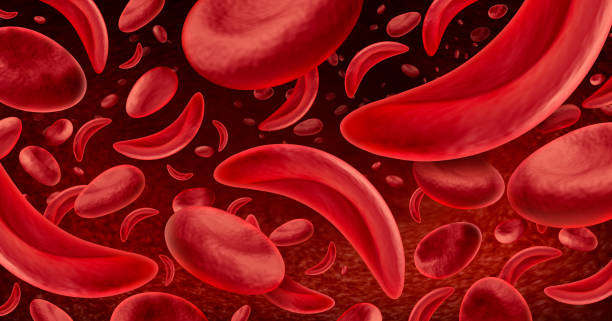
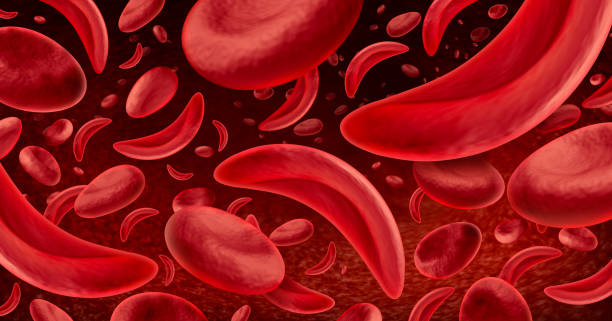
Truth and Reconciliation. These are not just lofty concepts reserved for history books or international commissions—they are the bedrock of healing and justice. As someone whose life and purpose are deeply rooted in advocacy for individuals and families impacted by sickle cell disease, I view this theme as both a mirror and a mandate.
The truth is, sickle cell disease has never been just a medical condition—it is a social justice issue. For over a century, communities of color—especially Black families—have endured systemic neglect, scientific underinvestment, and outright dismissal in both public health and policy spaces. The truth is, our children are still waiting in emergency rooms while others are prioritized. The truth is, we are still explaining why our pain matters. The truth is, we’ve been surviving in a healthcare system that was never designed with us in mind. And as W.E.B. Du Bois so powerfully stated, “A system cannot fail those it was never meant to protect.” That is the reality for sickle cell patients in America.
This injustice is compounded by implicit bias that continues to shape medical treatment today. Researcher Kelly Hoffman (2016) found that many medical professionals still falsely believe that Black people have thicker skin or a higher tolerance for pain—harmful myths that directly contribute to delays in care, under-medication, and life-threatening outcomes for sickle cell warriors.
Reconciliation, then, must begin with acknowledgment. America must name the racialized apathy that has allowed diseases like sickle cell to go underfunded, under-researched, and misunderstood. Reconciliation must include policy change, investment in culturally responsive care, and unwavering support for grassroots organizations—like the Scott Center—that are doing the work long before the spotlight arrives. But it also must include a personal reckoning: for healthcare providers, educators, legislators, and everyday citizens to interrogate their own complicity or silence.
Truth and Reconciliation is not only coming—it is already here. I’ve seen it in the tears of mothers who finally felt seen. I’ve seen it in the advocacy of sickle cell warriors who use their stories as medicine. I’ve seen it in the halls of Congress, where I stood and spoke not just for my sons—but for a generation demanding better.
This is the work of truth. This is the path of reconciliation. And together, we are writing a new narrative—one rooted in justice, equity, and a healthcare system that finally sees all of us.
References:
Hoffman, K. M., Trawalter, S., Axt, J. R., & Oliver, M. N. (2016). Racial bias in pain assessment and treatment recommendations, and false beliefs about biological differences between blacks and whites. Proceedings of the National Academy of Sciences of the United States of America, 113(16), 4296–4301. https://doi.org/10.1073/pnas.1516047113
March quote of the day. BlackPrint Project. (n.d.). https://www.blackprintproject.com/quote-of-the-day-march.html
Discover more from Three-Fifths
Subscribe to get the latest posts sent to your email.

 Three-Fifths