
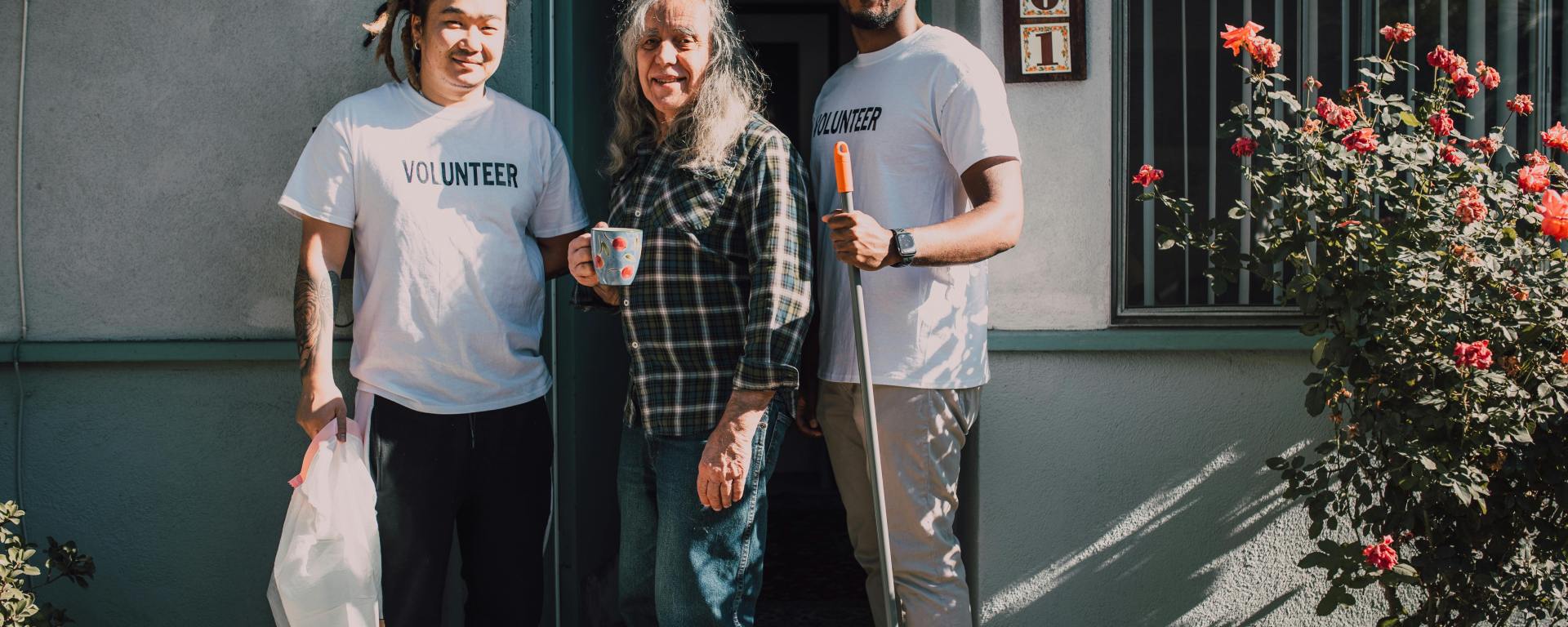
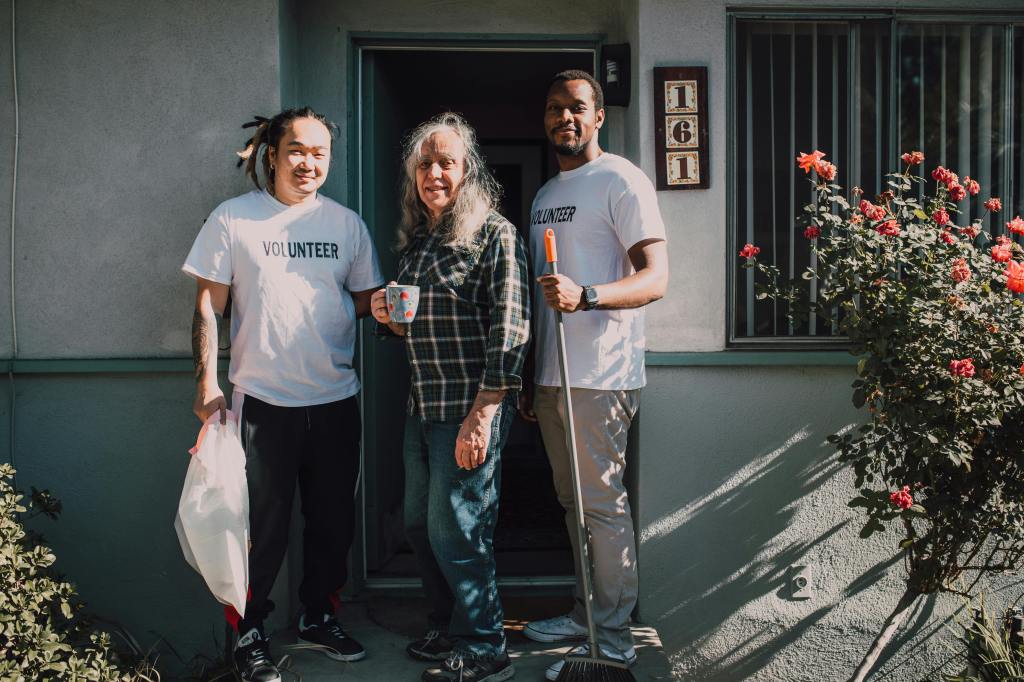
To reclaim the common good is to rediscover a shared purpose: the idea that our well-being is not merely individual, but interwoven. In a time marked by division, distrust, and widening inequality, the common good offers not just a political or ethical framework but a moral and spiritual vision for how we live together. Nowhere is this vision more fully embodied than in the concept of the beloved community—a term popularized by Rev. Dr. Martin Luther King, Jr. to describe a society rooted in justice, equal opportunity, and love of one’s neighbor.
The beloved community is not a utopia built on sameness or agreement, but on the acknowledgment of our interdependence. King stated, “It is this kind of love that can transform opposers into friends. It is this kind of understanding and goodwill that will transform the deep gloom of the old age into the exuberant gladness of the new age. It is this love which will bring about miracles.” It is forged through practices of inclusion, mutual care, and shared responsibility. At its core, reclaiming the common good means moving beyond the illusion of separateness and recognizing that our fates are bound together. What harms one, harms all; what uplifts one, uplifts all.
In recent decades, the ethos of the common good has been undermined by an overemphasis on individualism. The dominant narrative encourages people to prioritize personal success, private gain, and self-reliance above collective needs. Institutions have followed suit, structuring policies and economies that often reward extraction over contribution, competition over cooperation. This has led to a fraying of social bonds and a loss of civic trust.
To build a beloved community, we must reject this fragmentation and re-center the common good as both a guiding principle and a lived commitment. This begins with redefining values: we must value not only innovation, ambition, and independence, but also empathy, reciprocity, and service. A beloved community esteems the schoolteacher as much as the CEO, the caregiver as much as the entrepreneur. It recognizes that dignity is not tied to status or wealth, but to our shared humanity.
Reclaiming the common good also requires new systems. Public goods—such as healthcare, education, transportation, clean environments, and housing—must be structured so they are accessible to all, not just the privileged few. These are not merely social services; they are the foundations of a society where everyone has the chance to thrive. Policies that prioritize the common good are inherently policies that move us closer to the beloved community.
But systems alone are not enough. Culture must change, too. A beloved community is cultivated in everyday interpersonal relationships—how we treat our neighbors, how we listen across difference, how we show up for each other in times of need. These small acts of solidarity and respect form the spiritual architecture of the common good. They help transform abstract ideals into tangible realities.
Ultimately, reclaiming the common good is not about going back to some imagined past. It is about moving forward together—toward a future where belonging, justice, and compassion are not the exception but the norm. The beloved community is not built overnight, and it is never complete. But it begins wherever people choose to live, not just for themselves, but with and for others. In that choice, the common good is not only reclaimed—it is reborn.

Discover more from Three-Fifths
Subscribe to get the latest posts sent to your email.
 Three-Fifths