
Dear America,
I write to you not in anger, but in clarity. Not in despair, but with purpose. This moment calls not for silence or slogans, but for truth. We are a nation built on promises, some kept, many broken, and others still waiting to be fulfilled.
From the very beginning, the tension between truth and comfort has shaped our story. Thomas Jefferson’s original draft of the Declaration of Independence included a bold condemnation of slavery. He charged King George III with waging “a cruel war against human nature itself” by sustaining and protecting the transatlantic slave trade. But that passage, arguably one of the most morally direct statements in the document, was erased from the final version. It was removed to preserve unity among the colonies, especially those in the South. With that, our founding narrative was edited before it even began.
That moment, that omission, set a precedent: that the pursuit of unity could override the pursuit of justice. That our most sacred texts could choose silence where there should have been clarity. It is one of our earliest betrayals, and we still live in its shadow.
Our founders, for all their contradictions, reached for something radical. Jefferson declared that “all men are created equal” while enslaving his own children. Madison helped craft the Constitution and then embedded the Three-Fifths Compromise, reducing human beings to political fractions. John Adams spoke against slavery but, as president, signed the Alien and Sedition Acts, suppressing dissent. Even John Tyler, long after his presidency, aligned himself with the Confederacy, proving that not all those who lead are loyal to the Union.
Still, the presidency has long been a mirror and a megaphone. Washington declined a crown, setting restraint as precedent. Lincoln held the Union together with trembling hands and a broken heart. Roosevelt steadied us through economic despair. Kennedy summoned a generation to serve. Obama’s election offered millions a glimpse of long-denied belonging.
But for every voice of unity, there have been others who weaponized fear, nostalgia, and exclusion. Today, flags are waved by those who reject the very ideals they claim to defend. People rebel against the country not because they are voiceless, but because they fear their version of America is no longer the only one being told.
This rebellion is not new. The Confederacy must be remembered not as a region of heritage, but as a deliberate project to preserve human bondage. And even as the nation teetered on the edge of civil war, the Clotilda arrived in Alabama in 1860, smuggling African captives more than fifty years after the transatlantic slave trade was outlawed. That we still do not widely teach this, that so many Americans have never heard this name, is not an accident. It is evidence of a long tradition: not of ignorance, but of avoidance. A refusal to confront what we allowed, excused, and hid.
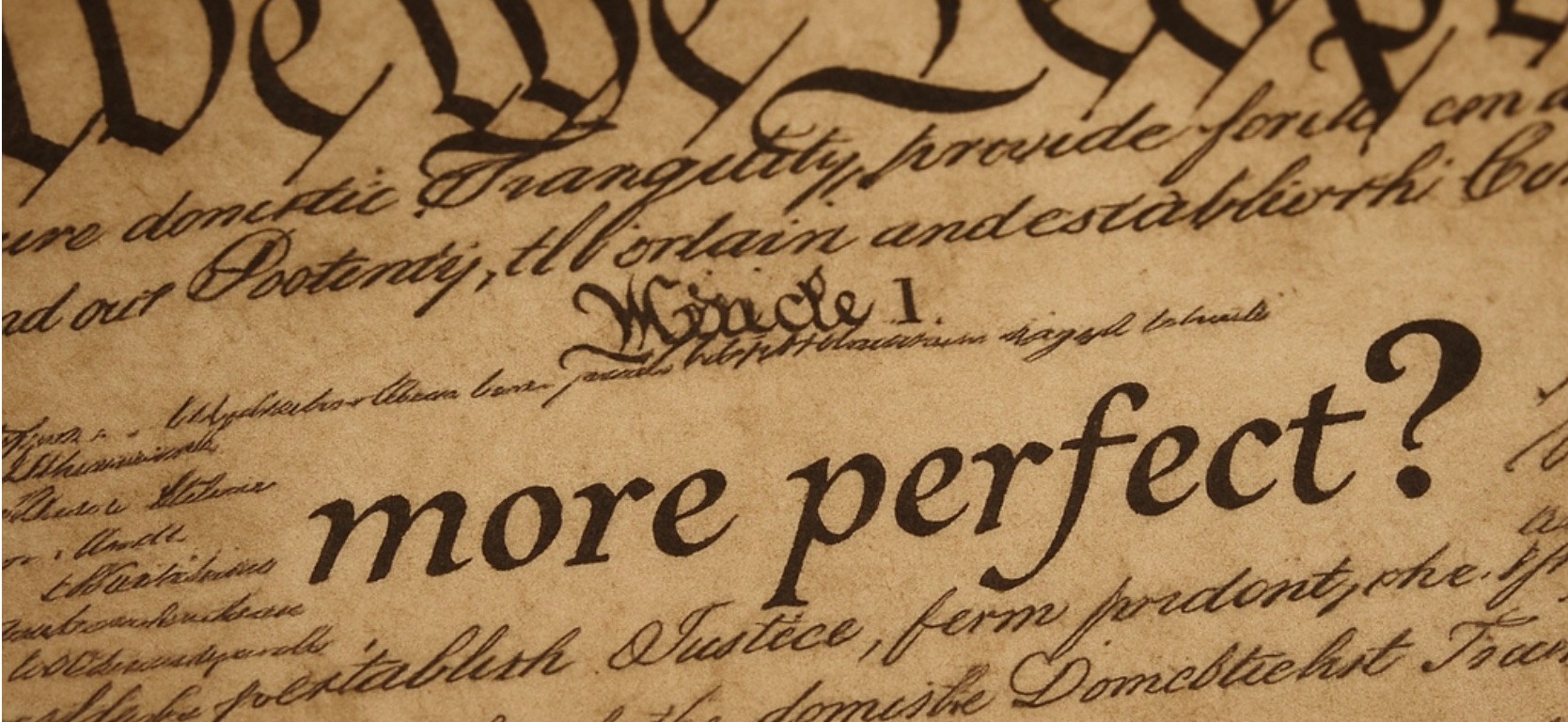
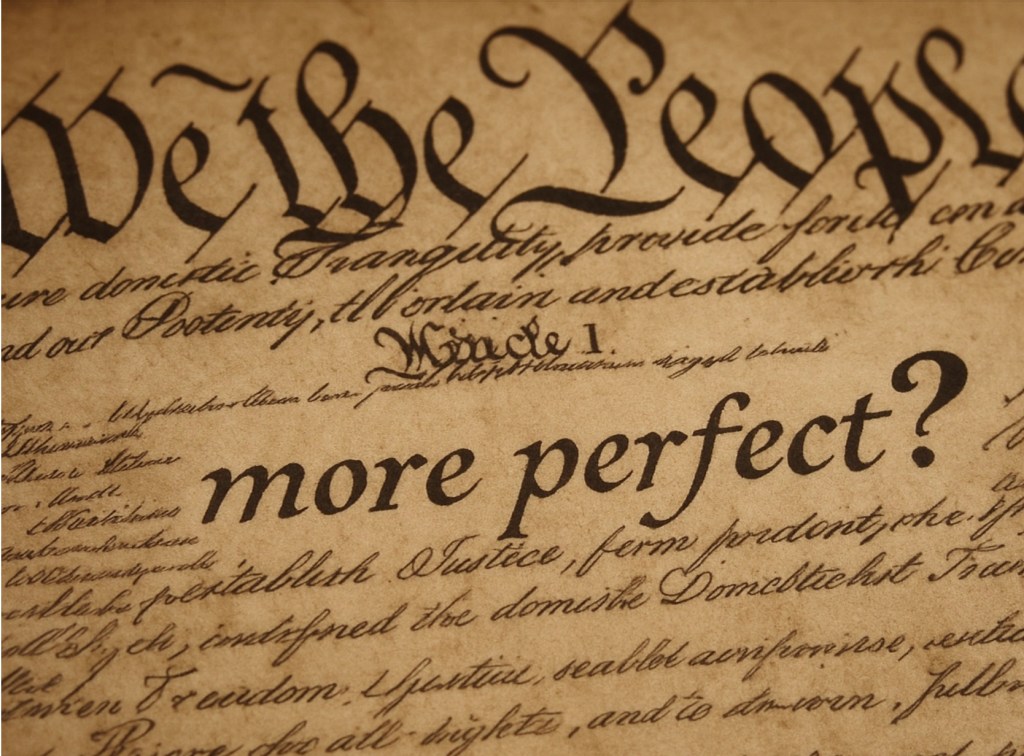
So, I ask you, America: Is this how we become more perfect?
By sanitizing the past? By silencing our educators? By shielding our children from complexity while handing them a fractured democracy?
The next generation is watching. They deserve a country that values courage over comfort. One that teaches history not to wound, but to warn and to strengthen. One that admits its sins and still believes in its redemption.
Patriotism must not be measured by the volume of a chant or the waving of a flag, but by the honesty with which we tell our story. A story not just of triumph, but of turning points. A story not of one people, but all people. Narrative is power. And we cannot afford to lie to ourselves any longer.
Let us remember, we were never promised perfection. Only the pursuit of it. That pursuit begins with truth.
I believe we can become what we have long claimed to be. But only if we choose truth. Only if we choose each other.
With hope, humility, and belief in our future,

Educator & Future Public Servant
(Inspired by those who led with truth)
Discover more from Three-Fifths
Subscribe to get the latest posts sent to your email.
 Three-Fifths