
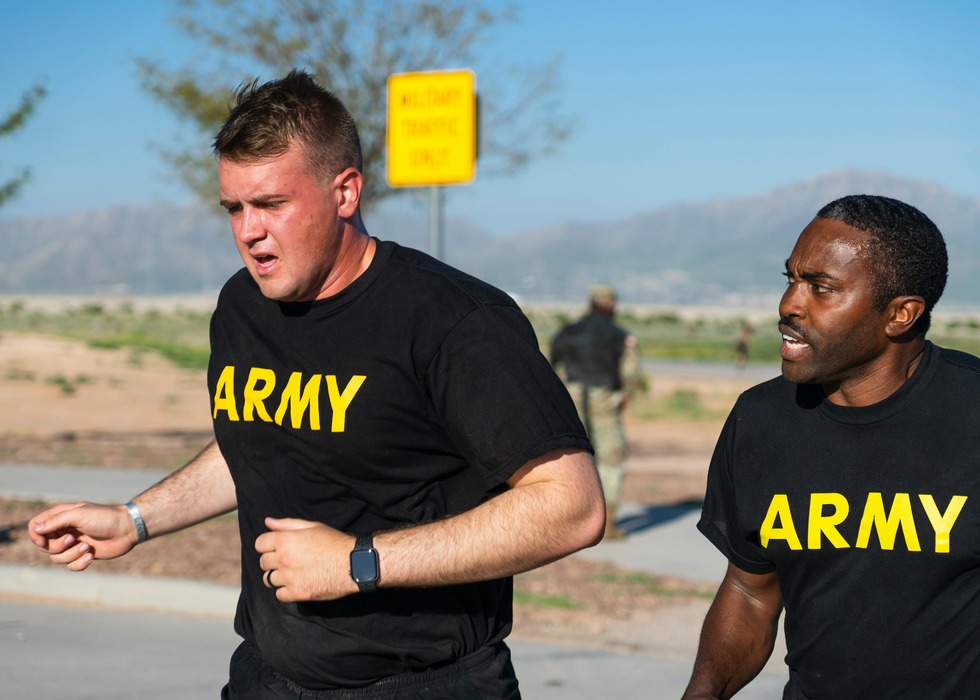

The recent reversion of the Diversity, Equity, and Inclusion (DEI) programs within the Department of Defence (DoD) illustrates an alarming shift in policy that further erodes principles of military effectiveness and readiness. The removal of DEI related documents from service members’ libraries, provisions banning the consideration of DEI in admissions into military academies, and the removal of DEI in leadership training all represent a decline in more progressive and research backed innovations that have been shown to improve the military’s efficacy (Avila, 2022; NATO Science and Technology Organization [NATO STO], 2023]). These shifts indicate an antiquated military organisational model that does not appreciate the nuance of modern diversity and inclusion paradigms in an internationalised, sophisticated security landscape.
In the 21st century, being military-ready goes beyond having physical prowess or technical know-how—it requires adapting and understanding different cultures while working well in other groups. Fostering some of these capabilities requires the use of DEI programs (Taylor, 2024). Inclusivity has been, and still is, very instrumental to achieving success in wars, in so many instances–from the globally recognised U.S. military to not being morally right, integrating different races was and has not only been strategically correct, but has also hugely optimised coordination, solidarity, and morale during dire battles and conflicts. In more contemporary history, other branches of the U.S. Military, like the Air Force, have focused on inclusion policies to ameliorate systemic discrimination and foster internal cohesion, optimizing operational performance (Avila, 2022). From tackling modern-day military challenges from different angles, fostering creativity and new ways of thinking in the military is crucial and can only be achieved by promoting teams with other races and cultures.
The Controlled removal of DEI initiatives is an attack on operational cohesion and trust, both of which are fundamental to the efficacy of military units (Taylor, 2024). Trust is an essential element in any military environment among service members. It exists where people feel appreciated, valued, and safe psychologically. Trust and mutual respect are minimal requirements for unit cohesion, and can be undermined when a minority feels marginalised or alienated. DEI programs fight these conditions through fostering inclusion, cultural appreciation, and bias elimination (Taylor, 2024). Feeling unsafe and disrespected causes a loss in trust, communication, respect, and morale—everything that can be valuable to a team. These aspects combined make the unit ineffective.
In high-pressure environments like the military, operators have to rely on colleagues to make decisions that could be life or death. In these circumstances, psychological safety is critical. Such safety allows one, among other things, to suggest problems, solutions, or even errors without fear of being mocked or disciplined. Psychological safety allows members to participate actively and has been shown to profoundly bolster multinational operational effectiveness (NATO STO, 2023). Building such safety requires nurturing from DEI training (Taylor, 2024). Such leaders have more resources to manage diverse teams, as they appreciate different views and are willing to foster an environment that enables innovation and accountability. Withholding DEI training erodes such ability, increases miscommunication, internal conflict, and operational blunders.
Competence—another reason why DEI programs are essential—is highly crucial in contemporary military operations. U.S. Army servicemen and women often operate in coalitions with foreign military personnel and encounter civilians from different parts of the world (Taylor, 2024). This goes beyond having the relevant skills; it involves knowing the etiquette, the way people speak, and the attitude of other cultures. These programs help bridge the gap by teaching the necessary skills and knowledge. The Department of Defence, by retracting these programs, undermines the ability of its personnel to operate in coalitions, peacekeeping missions, and humanitarian assistance activities. These mechanisms create and sustain cultural competency within the troops, and without them, there is guaranteed wasted resources, violence, unnecessary conflict, and damaged relations with other countries.
There is overwhelming evidence that Diversity, Equity, and Inclusion (DEI) initiatives positively impact organisations. Europeia Advanced Network Technology (EANT) notes the impact of compassionate leadership on cooperation and mission success. Similarly, Avila (2022) cites that recruitment policies to enhance demographic diversity are crucial to enduring strategic resilience. Diversity in an organization enhances the ability to build public trust as well as to attract and retain talent in the face of changing challenges. On the other hand, a homogenous organizational force risks detachment from society and stagnation in growth.
The strategies suggested above are not only unjust, but jeopardize the military’s functionality and strategic advantage. Support of the DEI frameworks cultivates adaptability, which enhances overall military efficacy (Taylor, 2024). The framework undermines the cultural and psychological structure required for exceptional performance on cohesive teams. In addition, marginalized communities shift without an acknowledgment of their experiences rendered irrelevant and lose their trust in the system. This erodes trust and retention within institutions and fractures trust in the system.
Sustaining DEI programs is not an act of exercising political correctness,” rather it is crucial for preserving and enhancing military readiness, capability, and functionality (Taylor, 2024). A military that is current and ready to respond must mirror the demographic makeup of the society that it defends, appreciate all of its constituents, and produce leaders adept at functioning in pluralistic settings. Diversity, equity, as well as inclusion are not afterthoughts but essential to operations. As global challenges shift and wars become more involved, the strategic edge will undoubtedly rest with those whose DEI efforts have formulated foundational elements of mission planning. Hence, these programs should follow the Department of Defence’s policies to safeguard relevance, trust, and power in the coming decades.
References
Avila, R. (2022). Improving recruiting strategies for diversity and inclusion in the United States Air Force [Doctoral dissertation, Trident University International]. ProQuest Dissertations and Theses Global.
NATO Science and Technology Organization. (2023). Military diversity in multinational defence environments: From ethnic intolerance to inclusion (Report No. STO-TR-HFM-301). NATO STO. https://www.sto.nato.int/publications/STO-TR-HFM-301
Taylor, L. (2024). Examining the experiences of DEI practitioners: a look at the racial disparity in policing of black people and the subsequent need for adaptive leadership. Pepperdine University.
Discover more from Three-Fifths
Subscribe to get the latest posts sent to your email.

 Three-Fifths