
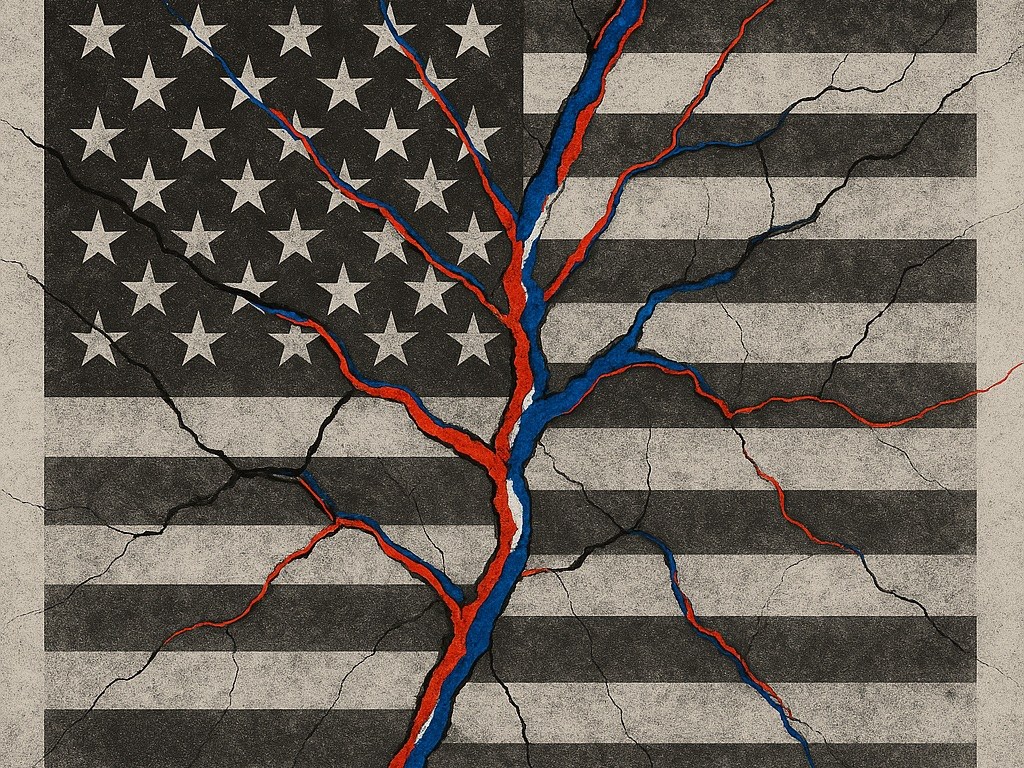
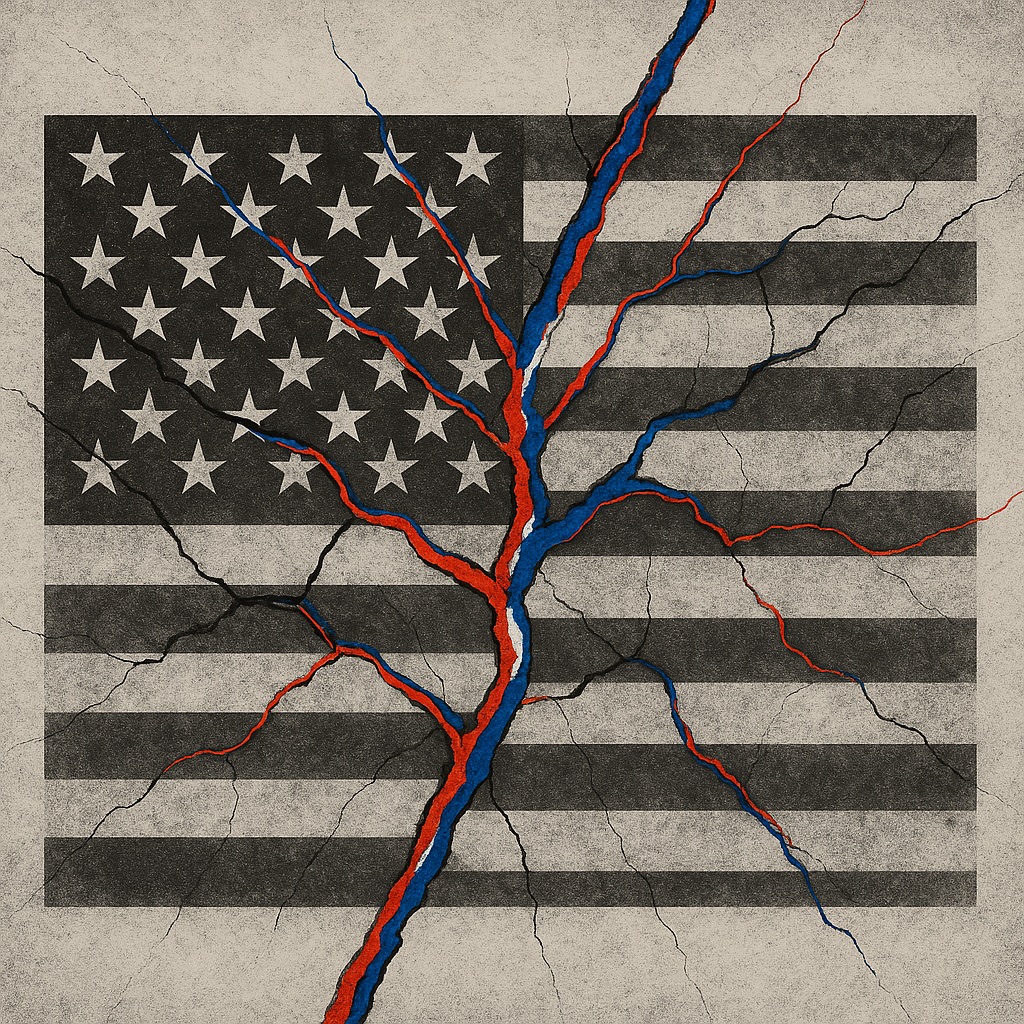
In America today, too many conversations are framed as left versus right, urban versus rural, Democrat versus Republican — but that is a distraction. The deeper, more dangerous divide is not ideological. It is structural. It is resourced versus under-resourced. And it is this divide, not political affiliation, that most powerfully shapes opportunity, education, health, and hope.
For far too long, we’ve failed to tell the truth about this country in a way that brings people in — especially those in rural America. Not to force a narrative, not to place blame, but to simply say: Here is how America happened. Here is what was promised. Here is what was built. And here is who was left out.
This is not about guilt. It’s about agency. When we tell the full story—the one that includes the people who were most affected by policies, wars, industries, and exclusions—we empower every child and citizen to understand where they fit into the American project and how they might shape what comes next.
Where We Went Wrong?
We have never healed from the strategy of division that began in moments like Bacon’s Rebellion of 1676, when poor whites and enslaved Africans briefly united against the elite planter class. That fleeting alliance terrified the powerful. Their solution was not justice — it was separation. Race became the mechanism to divide those who had every reason to stand together. Laws followed. Slavery hardened. Class consciousness was erased by racial hierarchy. Brother Merril Holloway, from Birmingham, Alabama, and I have had lengthy discussions about this being the initial downfall of our abilities to unite as a people.
We live in the aftermath of that political strategy, and we see its effects clearest in rural communities, where investment is minimal and opportunity is scarce, not by chance, but by long design. The “separate but equal” doctrine established by Plessy v. Ferguson in 1896 didn’t just enforce racial segregation — it normalized systemic neglect of poor and rural communities. By allowing inequality to be masked as legal separation, the ruling reinforced both racial and economic divides, leaving not only Black Americans but also entire communities without commercial power, industrial significance, or political capital under-resourced and excluded from full participation in American progress.
It is time for a national spotlight on rural America — not as a symbol or stereotype, but as a real and diverse collection of communities that deserve the same access to education, infrastructure, and healthcare as any city. If these places were resourced, I believe — and many others do too — we would unleash an untapped national potential.
Imagine what becomes possible when children in the most isolated parts of the country are taught not just the history of presidents and wars, but the stories of ordinary people — their people — and how they’ve always been part of the American journey. Imagine civic education rooted in truth, humanity, and unity, where the point is not to divide but to build.
And yet we are failing — not just in rural areas, but across the board. Every year, about 1.2 million students drop out of school in the United States. That’s an estimated $260,000 in lost earnings, taxes, and productivity per student. These aren’t just numbers — they represent young people from urban, rural, and suburban communities alike, slipping through the cracks of a system that does not meet their needs. This is not just an education issue — it’s a national emergency transcending race and geography. A country that values its future must treat it as such.
So What, Now What?
The question isn’t whether we have the tools to fix our divides. We do. The question is: Are we willing to teach how we got here, especially to those who’ve inherited the brunt of that history?
A truthful education doesn’t accuse. It explains. It doesn’t shame. It connects. If we’re ever going to move past the divisions that plague us, we must start with the people who have been most excluded, not just from wealth but from the very narrative of the country itself. Once they see themselves in the story, they can begin to rewrite its ending. The Institute for Common Power is committed to this vision and believes education IS our way out and, most importantly, forward.
Plessy v. Ferguson ended with Justice John Marshall Harlan’s now-famous dissent: “Our Constitution is color-blind,” he wrote, warning that the majority’s decision would plant the seeds of racial conflict for generations. And he was right. Those seeds took root, and their harvest still plagues us today — in our institutions, neighborhoods, and schools. The question now isn’t whether the seeds were planted — it’s whether we’re finally ready to roll up our sleeves, dig deep, and replant something better for our children’s sake.

Discover more from Three-Fifths
Subscribe to get the latest posts sent to your email.
 Three-Fifths