

“God blesses those who hunger and thirst for justice…, for they will be satisfied…”(Jesus)
“Don’t let your mouth write a check your ass can’t cash, son…” (Charles Portis)
The Civil Rights Movement was led by a generation of marginalized and exploited minorities who through years of social and political turmoil…in faith, put their lives at risk to stand against the politically powerful who were determined to stay in power and keep them “in their place.”
The Movement’s climactic legislative achievement came in 1964-65, and for those who have lived long enough to celebrate their 80th birthday, the preceding two decades, while in middle school and high school, they personally witnessed or saw on the news one or more of the dozens of racially motivated attacks on both high profile and unknown marginalized and exploited minorities that in one way or another had some effect on them and their sense of wellbeing in America; and this current moment of social and political turmoil, may prove to be a call for today’s marginalized and exploited minorities to stand against the politically powerful who are determined to stay in power and keep them “in their place“.
From America’s beginnings, the politically powerful established laws, political systems, and economic practices to keep themselves in power, and they used those laws, political systems, and economic practices to exploit marginalized minorities and keep them “in their place.” From emancipation forward, the politically powerful worked to overturn any legislation that would remove them from power and undo their “legal” right to keep marginalized and exploited minorities “in their place.” And to this day, they continue their fight, in ways both “legal and illegal” to establish legislation that would keep them in power and keep marginalized and exploited minorities “in their place.”
Politically Powerful in the First Century
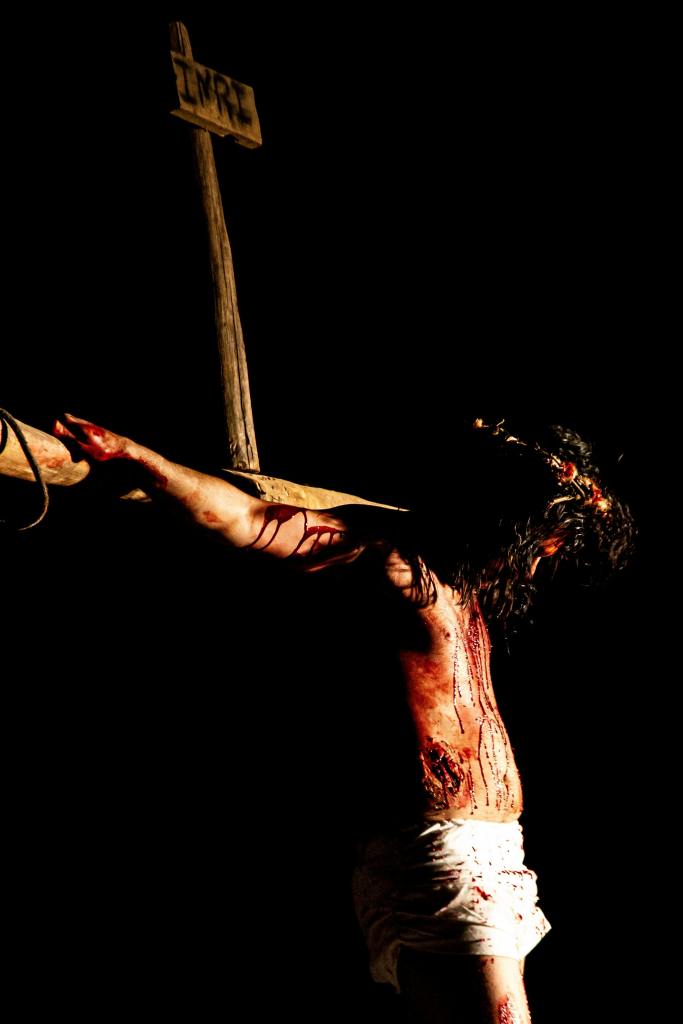
Back in the First Century, a generation of marginalized and exploited minorities…in faith, put their lives at risk to stand against the politically powerful who were determined to stay in power and keep them “in their place.” If you are at least vaguely familiar with the story of Jesus, you know that the Bible says that he “died on the cross for the forgiveness of sins.” What is not commonly known about Jesus is the social, cultural, and political context of his death; and that most of those who followed him for the next one hundred years, were marginalized and exploited minorities who suffered and died because they chose to stand against the politically powerful who were determined to stay in power and keep them “in their place.”
This all occurred in the first century around 63BCE, when Rome had dominion over Israel. After a civil war in Israel which caused much social and political turmoil, the Romans invaded and conquered Jerusalem. Having come to power a half-century earlier, one of the ways Rome would establish control over the conquered people was to set up one of the conquered as a “puppet leader” to keep the people under control. In Israel at the time of Jesus, this was King Herod.
Another way to control the conquered was to establish laws, political systems, and economic practices to keep the conquered people under control; and the religious leaders of Israel had an established religious legal structure that had been controlling the people for almost 1500 years. So, Rome gave them a powerful role in the political system to help keep the marginalized and exploited minorities “in their place,” which served both the interests of Rome and the interests of the Religious Leaders.
“Blessed are those who hunger and thirst for justice…, for they will be satisfied…”(Jesus).
The word Justice in this verse (Matthew 5:6) has often been translated as righteousness, a softer, more palatable word that completely misrepresents what Jesus said in what became known as his “Sermon on the Mount.” What Jesus knew was that throughout the scriptures, Justice for marginalized and exploited minorities is so important to God that when the politically powerful in any societal context exploited them, he would cause them to suffer some type of social, political, economic, or environmental calamity, because, with their power, they were exploiting marginalized minorities. (See Exodus chapters 5-6)
John “The Baptist” was the son of Zechariah a Religious Leader. He began standing against the politically powerful before Jesus did. In his hunger and thirst for Justice, he rejected his father’s vocation and made his reputation by calling out King Herod and the Religious leaders for the self-serving financial and religious burdens that they placed on marginalized and exploited minorities. He also called them out for being complicit in the injustices perpetrated against them by Rome. His hunger and thirst for Justice, got him jailed several times and finally beheaded by Herod.
Jesus spent his entire ministry with marginalized and exploited minorities, demonstrating God’s love and teaching them that they did not have to continue living under the exploitation of the politically powerful. He began challenging the politically powerful in the wake of John’s death; and these challenges fed a growing hatred for him and a fear that they would not be able to keep the people who were following him “in their place.”
One of his challenges was what became known as “The Cleansing of the Temple” (John 2:13-16), when in his hunger and thirst for Justice, he, with a whip he had braided, walked into the marketplace of vendors set up at the Temple in Jerusalem during Passover, one the highest holy celebrations. And while shouting “you have turned my Father’s House into a den of thieves!” he kicked over their money tables, and began whipping the vendors calling them out for exploiting marginalized minorities, overcharging them for animals they had to purchase so they could offer the sacrifices required by laws of their religion.
This challenge, however, was not just about the vendor’s exploitation, it was about the laws, political systems, and economic practices in the Temple that misrepresented God, and how the Religious Leaders served their self-interests, by being complicit in the exploitation of those marginalized minorities. It was this challenge that set in motion the plan by the politically powerful Religious Leaders to kill him; so they trumped up some charges and turned him over to Rome to be executed on the cross, in hopes that by doing so they would stay in power and keep the marginalized and exploited minorities “in their place.”
And if you do not carry your own cross and follow me, you cannot be my disciple…” (Jesus)
These illustrations demonstrate that to take an occasional stand against the politically powerful to affect change is not enough. Real change requires a hunger and thirst for Justice for marginalized and exploited minorities. And carrying your own cross means making personal sacrifices to see Justice realized for marginalized and exploited minorities.
Over the past decade the response to the politically powerful who exploit marginalized minorities, and who are responsible today for the social and political turmoil that calls to mind the challenges of the Civil Rights Era, does not appear to be like that of the marginalized and exploited minorities who in the First Century and after Emancipation, suffered and died because they chose to stand against the politically powerful who were determined to stay in power and keep them “in their place”.
Today…few have been willing to risk their comfort, much less their lives to stand against the politically powerful.
Today…there does not appear to be the personal or collective stamina to sustain a protest long enough to affect real change. (e.g. the Montgomery Bus Boycott lasted 381 Days see 7 Major Civil Rights Protests)
Today…there does not appear the willingness to make personal and collective sacrifices in consumption to boycott spending long enough to actually have a real financial effect.
Today…many of us live in a privileged grey area, torn between the comfort of our constitutional right to life, liberty and the pursuit of happiness and the call to hunger and thirst for Justice; and Today…we need to make a choice because we cannot serve both (Matthew 6:24).
“Don’t let your mouth write a check your ass can’t cash, son…” (Charles Portis)
There are two responses I am expecting to this post. One is Anger. I expect anger from some who see this as a judgement, and even take offensive, as in…who am I to criticize if or how I protest. For those folks I hope that they re-read this post, and with some prayer and personal reflection, see their anger turn into conviction.
The other is Conviction. I expect from some who have protested, to with the courage of their conviction to step up their protest game by choosing to hunger and thirst for Justice…over the comfort of their constitutional right to life liberty and the pursuit of happiness.
In closing, if you have one of these responses or a completely different one, I believe that this current moment of social and political turmoil caused by the politically powerful will at some point require us all to make a choice, and when you do count the costs to determine if you are prepared for the consequences of the choice you make…

Discover more from Three-Fifths
Subscribe to get the latest posts sent to your email.

 Three-Fifths