
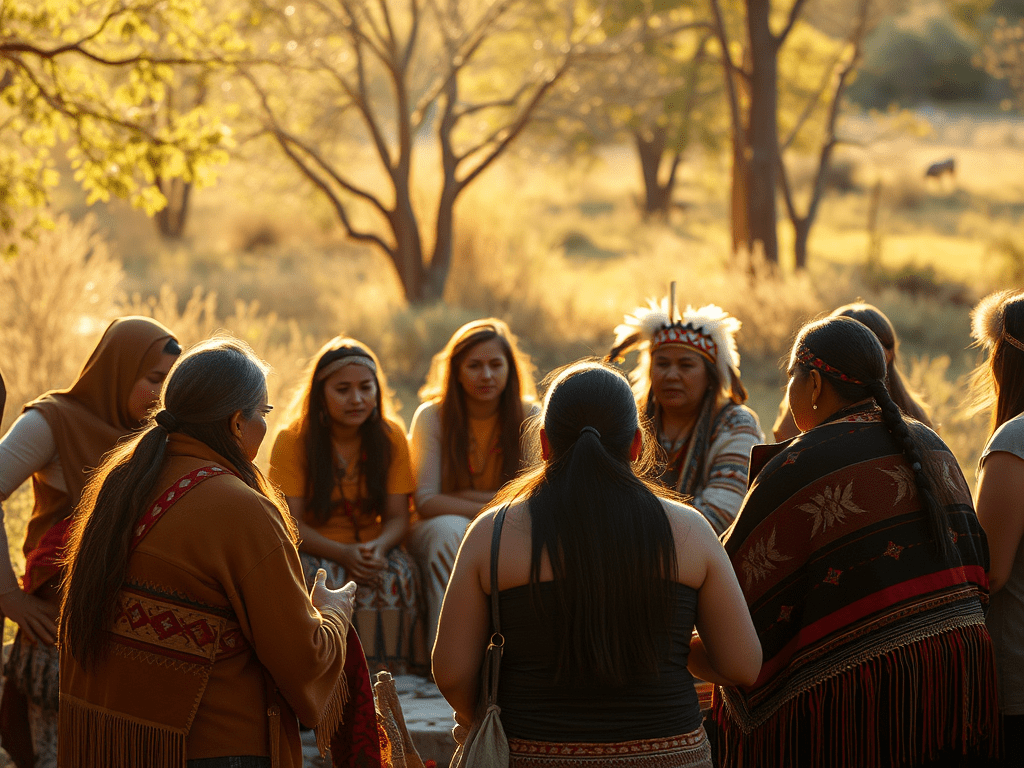
As we gather for November’s dedicated Health and Wellness Month, we embrace the profound teachings embedded in the concept of the circle—an idea deeply rooted in both Indigenous culture and the broader tapestry of humanity. The circle represents equality, trust, respect, honesty, dialogue, decision-making, and a sense of community. In the words of Dawn Iehstoseranón, “In a circle, we are all equal—no one in front of you, no one behind you, no one above you, and no one below you.”
The circle embodies the interconnectedness of all life, much like the Earth’s unbroken cycles. While many communities celebrate Thanksgiving, we must also remember the complex histories of First Americans, recognizing their resilience amidst a legacy of colonization and oppression. This November, we honor Native traditions by convening Sharing Circles to address health equity, striving to bridge gaps in care and understanding for marginalized communities.
In Indigenous perspectives, circles hold immense power. The Lakota medicine wheel teaches us about the stages of life we traverse—each angle symbolizing growth and the interconnectedness of our experiences. There is healing in our circles, a gathering that promotes togetherness, just as our traditional homes—the tipis—were constructed in circles to offer protection and center us with the Creator. Our sweat lodges, too, are sacred spaces where we sing ancestral songs, invoking spiritual healing and community solidarity.
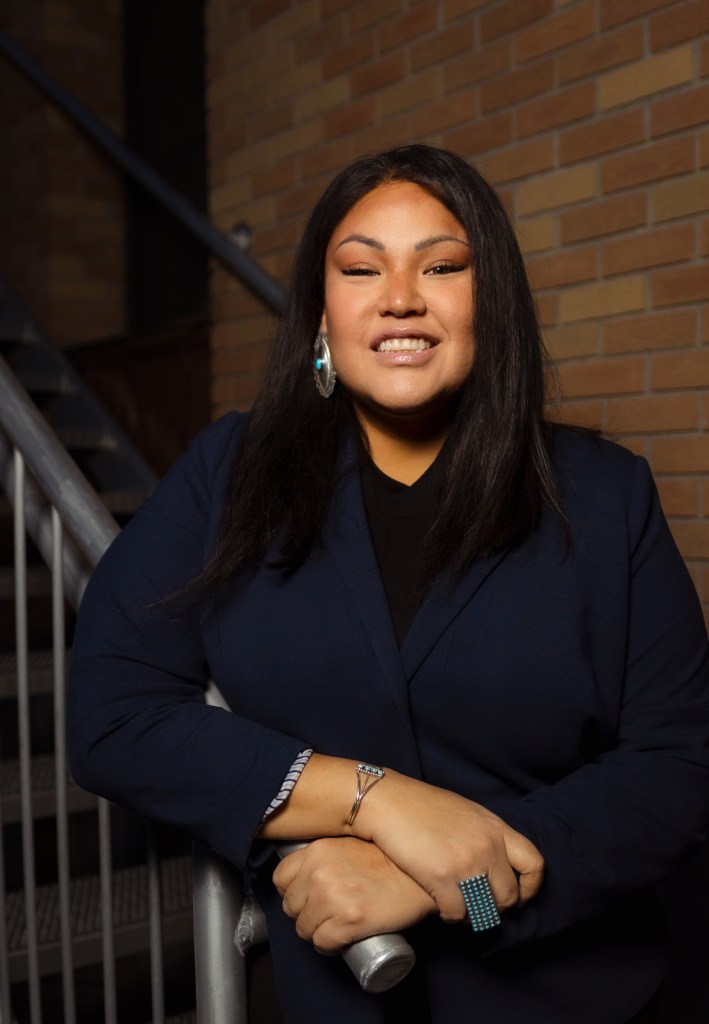
As a proud Indigenous woman with deep ties to my Hunkpapa Lakota and Northern Arapaho heritage, I carry the wisdom of my ancestors, I am my ancestors. I derive from the band of Sitting Bull, a visionary leader, who understood the weight of our shared burdens. My Arapaho ancestors endured atrocities, yet their warrior spirit endures.
History tells a different story. The colonizers, in their ignorance, inflicted profound harm on Indigenous communities, often using God’s name to justify their agenda for land, gold and wealth. If they truly knew the heart of God and the Holy Spirit, they could never have committed genocide against Native Americans. As it is written in 1 John 4:20, “If anyone says, ‘I love God,’ yet hates his brother, he is a liar; for whoever does not love a brother whom he has seen cannot love God whom he has not seen.” This verse echoes the truth that genuine love for God must manifest in love for one another and does not and cannot discriminate.
However, we must confront the reality of the distrust many Native Americans feel toward the church, rooted in the historical injustices of the boarding school era and genocide. While the messengers may have strayed from God’s true love, His message remains pure and everlasting—much like the circle. My mission is to foster peace, love, and healing, addressing historical trauma while honoring our traditions and ceremonial practices. Singing our old songs in the sweat lodge is no different from worshiping in a church; both serve as acts of devotion and connection to the divine. Some may wonder how I serve God while practicing my ceremonial way of life. Yet, I know without doubt that the Creator made no mistake in making me Indigenous. When I sing the old songs and offer prayers in my language, I know God hears me. He hears what’s in my heart and knows the relentless faith I hold. In honoring my heritage and my ancestors, I honor the Creator—expressing a devotion that is rooted not just in words, but in the spirit of love and faith that transcends all language.
Yet, we must also confront the reality of churches that lack diversity in leadership. A church that doesn’t embrace people of color cannot genuinely claim to love all of humanity. The American church often misses the mark, forgetting that Jesus was not the blue-eyed, blonde-haired figure depicted by colonizers. He was a man of color, with skin like copper and hair like wool. Just as society is grappling with the need to decolonize and address its historic injustices, the church, too, must confront and dismantle the layers of harm it has perpetuated against Indigenous people. This process involves not only acknowledging past wrongs but actively working to heal and make space for Indigenous voices, values, and traditions. Decolonizing the church is a crucial step toward restoring relationships, honoring cultural diversity, and embracing a faith that truly reflects God’s love and justice for all.
The circle’s symbolism resonates even within scripture. In Isaiah 40:22, the Earth is described as a circle, representing God’s unending power and the cyclical nature of life. This idea aligns with the Lakota medicine wheel, which encapsulates the circle is a powerful symbol, embodying the continuous journey of life—from birth to death—representing wholeness, or wolakota, a state of peace, interdependence, and balance with the world. It reflects the sacred boundary of our Earth, a reminder of our interconnectedness with all creation. The circle also shapes our Lakota family homes, the tipis, which provide protection and unity, grounding us in tradition. Even the drum, central to our ceremonies, takes on this circular form, resonating with the rhythm of life and connecting us in community and spirit.
As we explore solutions for ongoing healing, it is vital that these efforts be led by Native people. Native Americans face some of the harshest statistics in the nation regarding social challenges—an outcome rooted in historical injustices perpetrated by both the church and the government. Yet, Native-led nonprofits, which are vital to addressing these challenges through culturally relevant solutions, receive the least funding in the nonprofit sector. True support requires more than acknowledgment; it demands active commitment and investment in Native-led initiatives that are tirelessly working to bring justice, healing, resilience, and empowerment to Indigenous communities. It is crucial to do more than simply honor Native Americans for surviving or offer symbolic apologies; we must actively support those of us committed to the work in the Creator’s name.
The ministry of healing comes in many organic forms, and education, truth-telling, and addressing racism are vital components of our collective healing journey. Working through decolonization and dismantling systemic oppression is a heavy burden, but when you are called, it becomes part of servanthood and obedience. The full vision may not be known, but the voice of the Lord shall never leave, and in the shadow of His wings, there is strength and belonging within the sacred circle.
In conclusion, the circle is a powerful symbol of health equity and communal well-being. It is through shared experiences, mutual respect, and understanding that we can break the barriers of inequality. As we gather in circles this November, let us not only celebrate our health and wellness but also honor our shared humanity. Together, we can create a world where the circle of health equity remains unbroken—a world where the Creator’s love shines through us all as we honor one another and recognize the resilience of Indigenous people still waging modern-day battles. Let us stand united in support, respect, and action, knowing that in lifting Indigenous voices and leadership, we strengthen the sacred circle that holds us all.
Discover more from Three-Fifths
Subscribe to get the latest posts sent to your email.

 Three-Fifths
A wonderful article. Thanks for sharing.
LikeLike