
I have just come back from a full day at the National Museum of African American History and Culture as I say goodbye to Washington, DC. It’s the last night of the CBC and as I sit in the lobby of my hotel, in our Nations Capital, I think about how much this country has changed and how much changing we still need to do. As the leaves begin to change and autumn takes hold in much of America, I find myself reflecting on the power of change—not just in the seasons, but in our nation’s ability to transform.
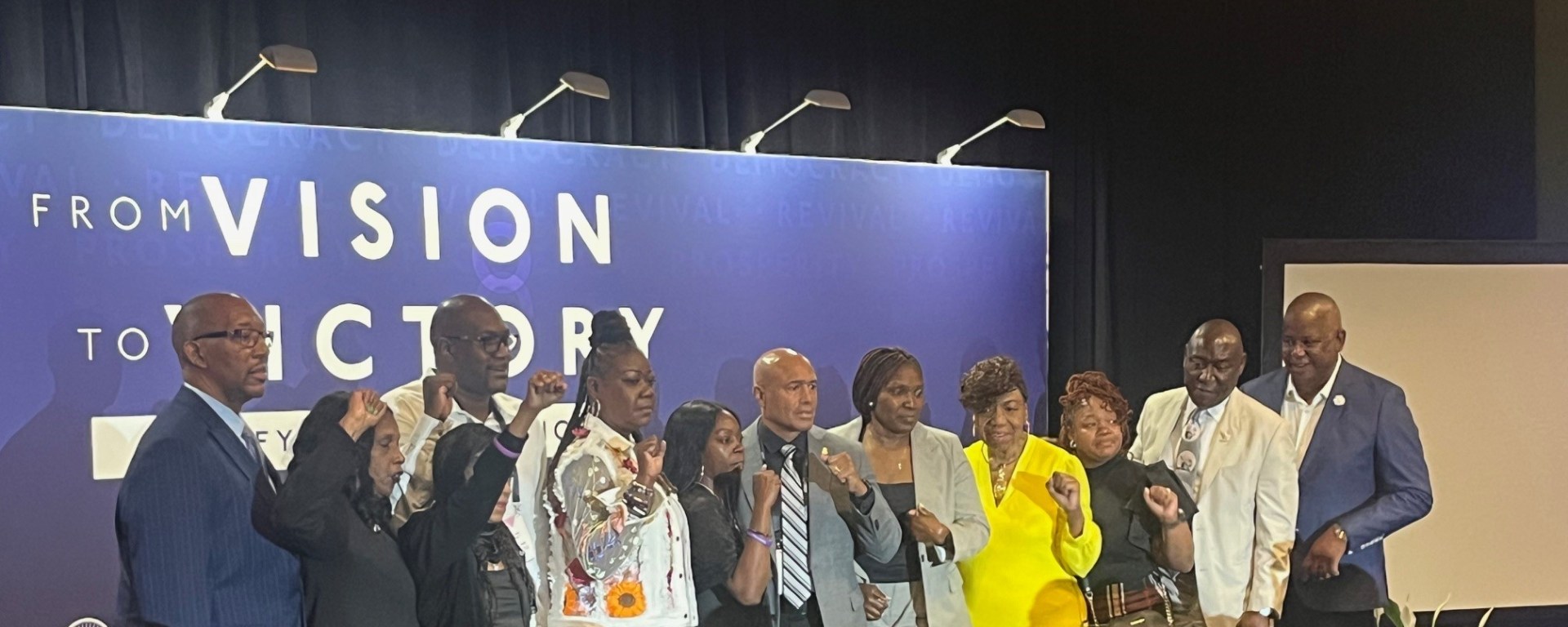
For the past few days, I attended the Congressional Black Caucus’s 53rd Legislative Conference, where the theme was “From Vision to Victory.” It was a gathering dedicated to envisioning an America that transcends its current divisions and focuses on equity and justice for all.
One of the most moving moments of the conference for me occurred on Friday, September 13th, when I sat in an audience of activists, policymakers, and everyday citizens who had gathered to hear from the families of those taken by gun violence and police brutality. The air was heavy with emotion as we listened to the voices of mothers, fathers, siblings, and friends recount the devastating losses they’ve suffered. These are not just names in the headlines; these are human beings, loved and cherished, who were senselessly taken. And yet, amidst their grief, these families stood before us, full of hope.
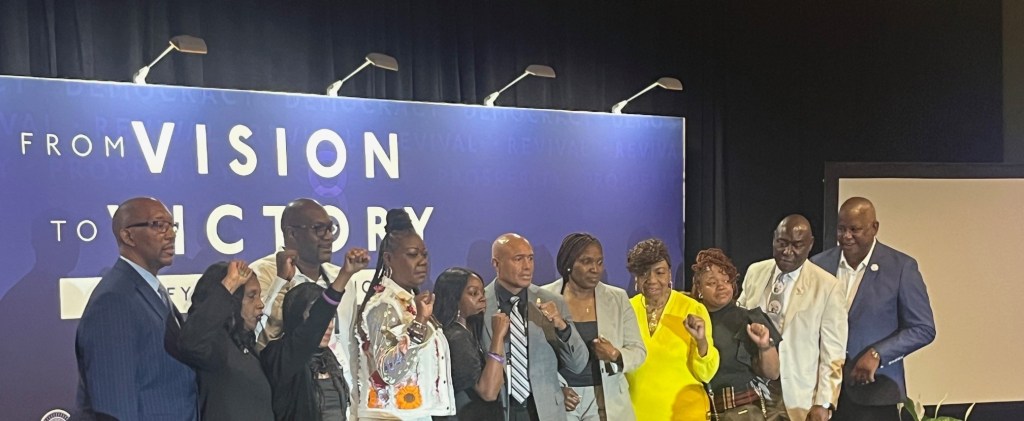
I shared that room with the mother of Breonna Taylor, the mother of Tyre Nichols, the brother of George Floyd, the mother of Ahmaud Arbery, the mother of Eric Garner, and the mother of Trayvon Martin. Congressman Kendrick Meek and attorney Benjamin Crump were also present. The pain they carry is immeasurable, yet their message is clear: despite the injustice, despite the heartbreak, they continue to believe in the possibility of change. They reminded us that we must hold on to hope—because if they can still have hope, so must we.
Their courage in the face of unimaginable tragedy serves as a powerful example of what it means to endure in the face of adversity and yet still have an enduring hope for this country.
We are at that tipping point now, as the voices demanding justice are growing too loud to be ignored. The tireless work of activists, attorneys, and everyday people is gaining momentum. This movement for racial equity and justice has crossed a threshold, and it is now spreading through every corner of our country.
But change doesn’t come without struggle. The families I listened to spoke of release—not a surrender to despair, but a letting go of the mechanisms that perpetuate violence and oppression. We must release the old mindsets that distort history and cling to power and embrace a future where we teach the truth about race, justice, and the capacity for change.
One of the most profound lessons I took away from the conference is that change isn’t just possible—it’s inevitable. America is in the midst of transformation. We are becoming a more multiethnic democracy, and while the forces of division and oppression are strong, they are not stronger than our collective hope. The endurance of the families I encountered speaks to the enduring qualities of change. Their hope is not passive; it’s active, rooted in the belief that together, we can create a better future.
This is why I believe that America does indeed have the capacity for the enduring qualities of change. The work is not easy, and the path is fraught with challenges, but if those who have lost so much can continue to push forward, so must we. We owe it to them and to ourselves to believe that a more just America is possible.
Together, we will turn our vision into victory.

Discover more from Three-Fifths
Subscribe to get the latest posts sent to your email.
 Three-Fifths