

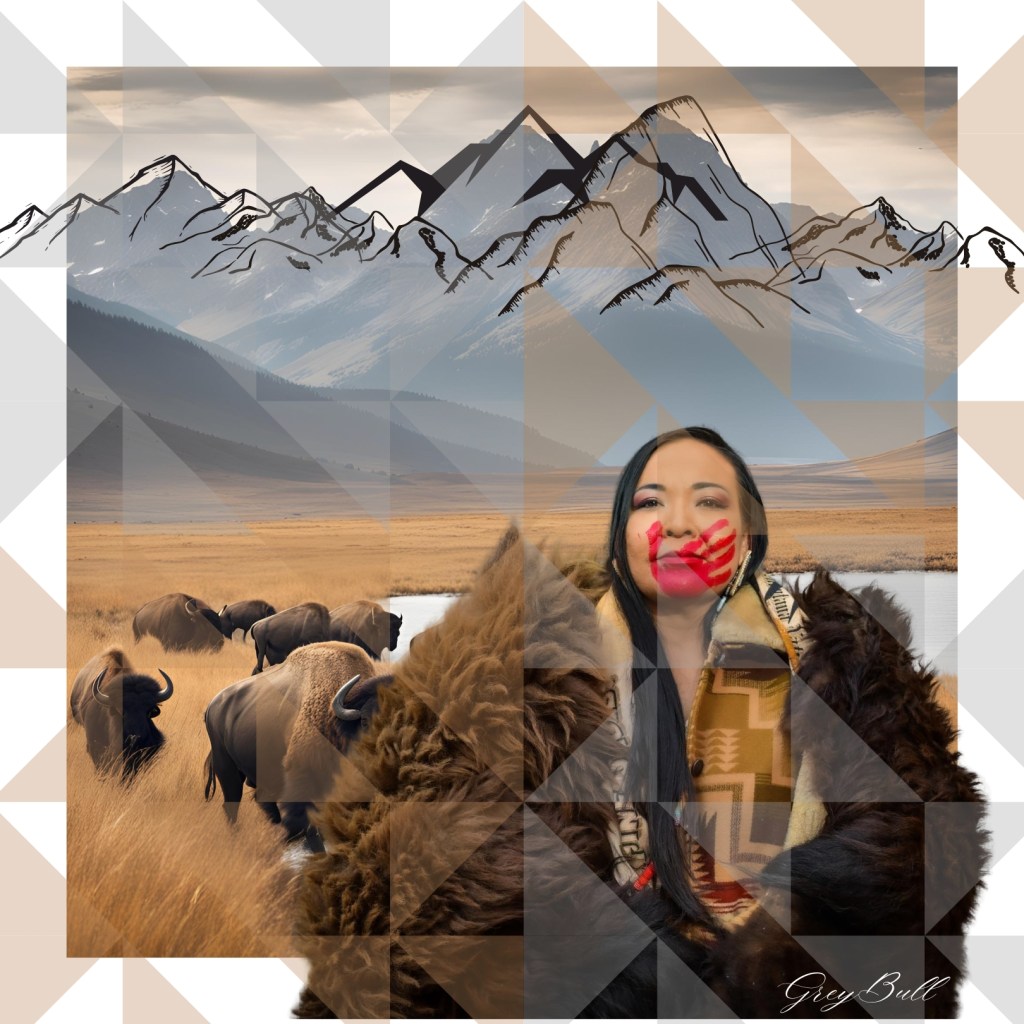
Unveiling the Intersection of Racism and Conservation in Native America
Living in the Northern Plains, where the heartbeat of life resonates through pristine mountains, plains, and rivers, one cannot escape the historic shadows of racism deeply rooted in this land, shared primarily by Native American and white communities. Racism here is not merely a whisper but often a blatant reality, woven into the fabric of everyday existence.
The conservation of these lands, rich in biodiversity and cultural heritage, poses a critical challenge intertwined with systemic racism. Many overlook how conservation practices, steeped in preservationist values shaped by European colonists, perpetuate injustices against Indigenous peoples. As settlers sought to establish national parks and protected areas, Native American communities were displaced, their ancestral lands forcibly seized under the guise of preserving untouched wilderness.
Native American people were killed and forcibly removed from their ancestral lands to create national parks that catered to settler ideals of untouched wilderness. National parks, often romanticized as “America’s Best Idea,” are also one of its whitest. According to research by Joe Weber and Selima Sultana, an average of 93.37 percent of visitors identified themselves as white, while Native Americans accounted for just 2.1 percent. The National Park Service, managing these sites, reflects this disparity with a workforce that is 83 percent white, further highlighting one of the least diverse agencies in the federal government.
The pattern persists within the service, where park rangers and guides predominantly reflect white demographics, reinforcing a legacy of exclusion and marginalization in spaces meant to be inclusive for all Americans. This exclusion isn’t just about representation; it erases Indigenous stories and perspectives crucial for understanding and stewarding these landscapes. Traditional Ecological Knowledge (TEK), passed down through generations, offers sustainable solutions often overlooked by conventional conservation practices.
“As we advocate to undo the harms of discrimination in conservation, we say, ‘Kill the history, save the land,'” Grey Bull asserts. The false narratives of heroic discovery and untouched wilderness perpetuate cultural genocide, beginning with the forced assimilation of Native children in boarding schools like the Carlisle Indian School. These schools aimed to “Kill the Indian, Save the Man,” stripping children of their languages, cultures, dignity, and sometimes their lives.
Diversifying conservation isn’t just a matter of ethics; it’s essential for effective stewardship. Including Indigenous voices isn’t merely corrective but transformative, offering holistic perspectives that redefine conservation priorities and practices.
Supporting native-led initiatives is crucial to empowering Indigenous communities to reclaim their roles as environmental keepers. It is essential to let Native Americans tell their own stories—others should stand with them, not speak for them. By confronting the whitewashed history of conservation and amplifying Indigenous narratives, we can forge a path toward environmental justice and healing. It’s not just about protecting lands; it’s about acknowledging and rectifying the injustices that have shaped them.

Discover more from Three-Fifths
Subscribe to get the latest posts sent to your email.

 Three-Fifths