
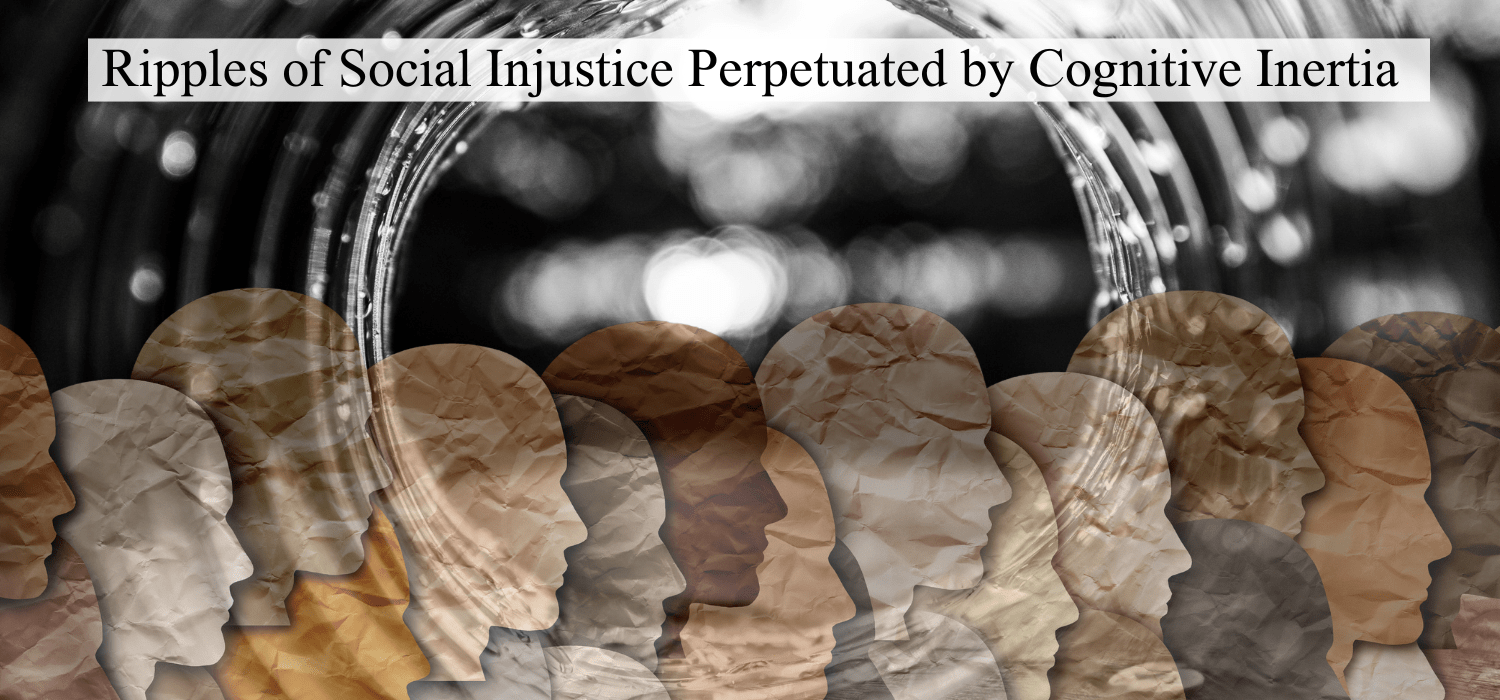
In the sweltering heat of July, when temperatures soar, a different kind of heat also intensifies: the heat of social injustice and the cognitive inertia that perpetuates it. Cognitive inertia, the reluctance to change long-held beliefs even when evidence suggests otherwise, continues to uphold outdated and harmful ideologies like white supremacy, Christian nationalism, and political extremism.
Exposing Injustice: The First Step to Healing
While in a Birmingham jail, Dr. Martin Luther King Jr. penned words that rang to the tune of how injustices are like a festering wound that cannot heal if it remains hidden. He continued that it must be revealed in all its unpleasantness to the cleansing forces of truth and transparency. He further posed that only when exposed to the scrutiny of human conscience and public opinion can it begin to heal. These statements remind us that injustices must be brought to light and confronted openly before it can be remedied. This is relevant not only to social and political realms but also to our shared mental and emotional health. When injustice is left unchecked, it festers like an untreated wound, leading to profound psychological damage and ongoing cycles of trauma. Addressing this inertia is crucial for the health and wellness of our nation, as the refusal to confront these issues creates a pervasive societal malaise that affects all Americans, particularly BIPOC communities and their allies.
Understanding Cognitive Inertia
Cognitive inertia refers to the tendency to hold on to familiar beliefs and assumptions, even when faced with evidence that contradicts them. It is the human inclination to depend on established ideas and resist any changes to those beliefs. This psychological phenomenon explains why many Americans continue to romanticize a monochromatic vision of America and resist acknowledging the complexities and injustices of the nation’s history. This resistance impedes progress and prevents meaningful dialogue and healing. Cognitive inertia plays a significant role in maintaining these societal injustices. Despite the Civil War ending 159 years ago and due to this inertia, such narratives that justified bigotry and slavery sadly continue to shape modern America.
The Health Impacts of Cognitive Inertia
Cognitive inertia and the resulting societal divisions have profound implications for public health. Stress, anxiety, and trauma are prevalent among marginalized communities that continuously face systemic injustice and microaggressions. The refusal to acknowledge and rectify these historical wrongs has profound implications for the health and wellness of all Americans, particularly BIPOC communities. The consistent denials of acknowledgment and minimization of systemic racism present issues and create an environment of chronic stress and trauma for marginalized populations. All of this perpetuates a cycle of mental health struggles. Studies have shown that experiencing racism is directly linked to adverse health outcomes, including mental health issues like anxiety, depression, and PTSD, as well as physical health problems such as hypertension and heart disease (Paradies et al., 2015).
Moreover, the general public, including those who cling to outdated beliefs, is also affected. Living in a divided society creates tension, fear, and misinformation, contributing to overall societal stress. Healing, therefore, is not only a matter of social justice but a critical public health issue.
The Healing Power of Truth
To break free from cognitive inertia and begin the healing process, we must expose and confront the ugly truths of our history. This exposure, much like the treatment of a physical wound, is essential for healing. We must recapture the narrative through truth and reconciliation by bringing injustices to the forefront of national discourse that can foster healing and wellness.
This involves the following:
1. Education and Awareness: A critical step in this process is the integration of accurate historical accounts into education systems. By teaching the true history of America, including the full extent of slavery and segregation, we can dismantle the myths perpetuated by cognitive inertia.
2. Public Discourse: Encouraging open, honest conversations about race and injustice is vital. Media platforms, social networks, and public forums must facilitate discussions that challenge entrenched beliefs and promote understanding.
3. Mental Health Support: Providing robust mental health resources to those affected by systemic racism is crucial. This includes ensuring access to culturally competent care that recognizes and addresses the specific traumas experienced by BIPOC individuals.
4. Policy Reform: Legislative changes are necessary to address systemic inequities. This includes criminal justice reform, equitable healthcare policies, and economic initiatives aimed at reducing disparities.
The Role of Allies and Advocates
Allies and advocates play a crucial role in this healing process. By actively challenging cognitive inertia and supporting efforts to expose injustice, they contribute to a healthier, more equitable society. This involves listening to and amplifying marginalized voices, participating in education initiatives, and advocating for policy changes.
The journey to national wellness requires confronting the deep-seated injustices that cognitive inertia perpetuates. By breaking the cycle of denial and fostering an environment of open discourse and understanding, we can begin to heal the wounds of our past and build a healthier, more just future for all Americans. As we move forward, let us remember that truth is not only a prerequisite for justice but also for the overall health and wellness of our society. The path to healing lies in our willingness to confront the ugliness of our history and work collectively toward a brighter, healthier future.

References
Paradies, Y., Ben, J., Denson, N., Elias, A., Priest, N., Pieterse, A., … & Gee, G. (2015). Racism as a determinant of health: a systematic review and meta-analysis. PloS one, 10(9), e0138511.
Discover more from Three-Fifths
Subscribe to get the latest posts sent to your email.

 Three-Fifths