


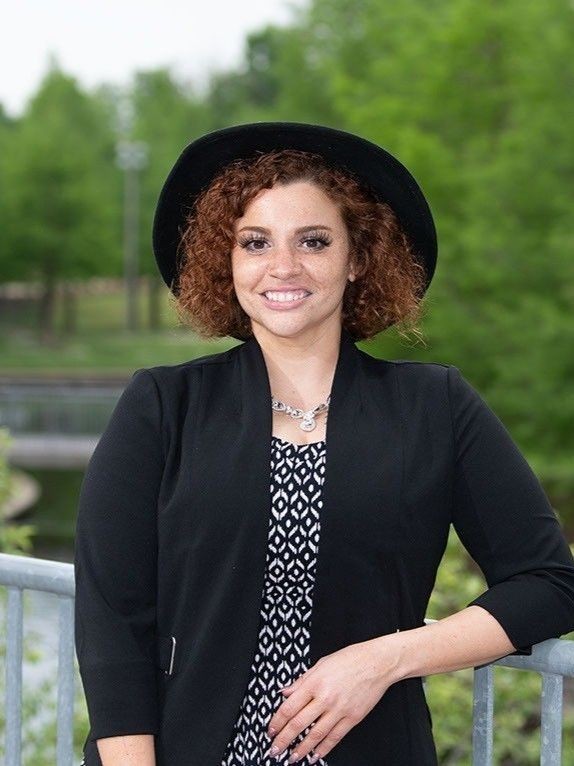
As I delve into the intricate layers of mental health, racial injustice, and systemic failure in America, I am compelled to ground my reflections in both personal experience and empirical evidence. As a Black, White, and Hispanic woman, my intersectional identity has been shaped by a multitude of experiences, but none are quite as powerful as the trauma of losing my Black mother to an unsolved homicide in South Dallas. Her story, marked by struggles against racial discrimination and systemic neglect, mirrors the challenges faced by countless individuals across marginalized communities. Despite facing the daunting challenges of navigating neurodiversity and societal stigma, I have discovered that surviving burnout and recovering from survival mode is my superpower—a testament to the resilience ingrained within me.
Survival mode, exacerbated by systemic injustices and societal biases, is a harrowing reality for many Black and Brown Americans. It is a state of constant vigilance, where individuals are forced to navigate oppressive systems while simultaneously contending with the burdens of mental health challenges. Burnout, a pervasive consequence of prolonged stress and trauma, further compounds the struggles faced by marginalized communities. Amid massive racial injustice all around me, surviving burnout and emerging from survival mode has become my superpower—a testament to my unwavering resilience in the face of adversity.
According to the American Psychiatric Association, Black and Hispanic individuals are less likely to receive mental health treatment than their White counterparts, with only one in three Black adults receiving the care they need (APA, 2020). This glaring disparity highlights the systemic barriers that hinder access to vital mental health services, perpetuating cycles of untreated trauma and despair.
One of the most glaring manifestations of systemic failure is the glaring lack of access to mental health care, a challenge that has touched my life profoundly. Diagnosed with Autism and ADHD at a young age, I grappled with the stigma and shame that often accompany neurodiversity. Instead of receiving the support and resources I needed, my diagnoses were concealed from me, perpetuating a cycle of silence and denial.
“It wasn’t until my mother embraced her own neurodivergence that I began to understand the importance of acceptance and self-awareness in navigating these complexities,” I reflect, echoing the sentiments of many who have struggled to reconcile their identities with societal expectations.
However, the barriers to mental health care extend far beyond my personal experiences. Across the nation, marginalized communities, particularly Black and Brown Americans, face insurmountable obstacles in accessing vital services. According to the Substance Abuse and Mental Health Services Administration, Black adults are 20% more likely to report serious psychological distress than White adults, yet they are less likely to receive treatment (SAMHSA, 2020).
The American healthcare system, plagued by inequities and biases, fails to adequately address the needs of those who need it most. Instead, prisons have become de facto mental health facilities, perpetuating cycles of incarceration and exploitation. As Michelle Alexander, author of “The New Jim Crow,” aptly notes, “we’ve chosen to deal with this problem [of mental illness] by sweeping people into cages” (Alexander, 2012).
Moreover, the intersection of mental health and racial injustice amplifies the risk of victimization for individuals like myself. When systemic barriers push us into survival mode, we become more vulnerable to exploitation and violence. This vicious cycle further entrenches the disparities that plague our society, leaving marginalized communities trapped in a cycle of despair.
Yet, amidst these challenges, there is hope for change. By advocating for policies that prioritize mental health care as a fundamental human right, we can begin to dismantle the structures of oppression that perpetuate racial injustice and exacerbate mental health disparities. Additionally, investing in community-based solutions that prioritize prevention and early intervention can provide individuals with the support and resources they need to thrive.
Amidst the turmoil of racial injustice and systemic failures, many of us seek solace and healing in external sources, hoping to find relief from the burnout and trauma we experience. Whether it’s joining a sorority or fraternity, finding solace in a religious community, seeking refuge in a gang, or devoting ourselves to serving others, we often turn to external entities in search of inner peace. However, we soon realize that these superficial methods of coping only provide temporary respite, failing to address the root causes of our trauma.
As I’ve come to understand, no organization or external entity can solve what is broken inside us. It’s akin to airplane advice: “Put your oxygen mask on before anyone else.” True healing begins from within. We must collectively decide to embark on our individual healing journeys before entering spaces with others. Only then can we prevent our unresolved trauma from negatively impacting those around us, even if our intentions are noble. This commitment to self-healing is not selfish; it’s a necessary step toward creating healthier and more resilient communities.
Amidst the tumult of navigating racial injustice and systemic failures, it’s crucial to recognize the importance of rest as a vital component of self-care and healing. In a society that glorifies busyness and productivity, many of us fall into the trap of viewing rest as a luxury rather than a necessity. However, rest is not merely about physical recuperation; it’s about replenishing our mental and emotional reserves, allowing us to navigate the challenges of life with clarity and resilience.
The addiction to busyness is pervasive, leading many down a path of burnout and exhaustion. We mistakenly believe that constantly pushing ourselves to the brink is a badge of honor, failing to recognize the toll it takes on our well-being. As I’ve learned through my own journey, being busy is not synonymous with being productive or fulfilled. In fact, it often serves as a distraction from addressing the deeper issues that lie beneath the surface.
True healing requires us to challenge the narrative of busyness and prioritize rest as a fundamental aspect of self-care. By carving out time for rest and reflection, we can cultivate a sense of balance and inner peace amidst the chaos of our lives. It’s a radical act of self-love and self-preservation—one that allows us to show up fully for ourselves and for those around us.
In the pursuit of justice and healing, we must recognize that resting is not a sign of weakness, but rather a source of strength. It’s a deliberate choice to honor our humanity and prioritize our well-being in a world that often demands our constant exertion. As Audre Lorde once said, “Caring for myself is not self-indulgence, it is self-preservation, and that is an act of political warfare.” By embracing the power of rest and rejecting the allure of busyness, we can reclaim our agency and cultivate a more sustainable and equitable future for ourselves and for generations to come.
Resting is not just an act of self-preservation; it is also a tribute to the resilience of our ancestors who toiled tirelessly for generations under the yoke of oppression. As Maya Angelou eloquently stated, “I come as one, but I stand as ten thousand.” Our ability to rest is a testament to the sacrifices made by those who came before us, paving the way for us to reclaim our time and prioritize our well-being. Moreover, it’s crucial to acknowledge the intersectionality of disability within the context of Black history. Icons such as Harriet Tubman and Fannie Lou Hamer, both of whom were disabled, defied societal expectations and risked their lives for the cause of freedom and justice. In a society where being disabled was often equated with a death sentence, expressing our own mental health struggles is an act of rebellion—a reclaiming of our identity and agency in the face of adversity.
As I navigate the nexus of mental health, racial injustice, and systemic failure, I am reminded of the resilience and strength that exists within our communities. By centering the voices and experiences of marginalized individuals, we can develop solutions that address the root causes of trauma and promote genuine healing. While also, investing in community-based solutions that prioritize prevention and early intervention can provide individuals with the support and resources they need to thrive. Together, we can harness the power of resilience to create a more just and compassionate society for all.
As I continue to navigate the nexus of mental health, racial injustice, and systemic failure, I am reminded of the strength and resilience that exists within me—a resilience that serves as my superpower in the fight for justice and equity.
References:
- American Psychiatric Association. (2020). Mental Health Disparities: Diverse Populations. Retrieved from https://www.psychiatry.org/psychiatrists/cultural-competency/education/mental-health-facts
- Substance Abuse and Mental Health Services Administration. (2020). Key Substance Use and Mental Health Indicators in the United States: Results from the 2019 National Survey on Drug Use and Health. Retrieved from https://www.samhsa.gov/data/sites/default/files/reports/rpt29393/2019NSDUHFFRPDFWHTML/2019NSDUHFFR090120.htm
- Alexander, M. (2012). The New Jim Crow: Mass Incarceration in the Age of Colorblindness. New York: The New Press.
Discover more from Three-Fifths
Subscribe to get the latest posts sent to your email.
 Three-Fifths
Dr. Durr – First may I say that reading your writing is like driving a fine car. I can just glide! That freed me up to digest your experience, which, contrasty, has been no glide at all. Still, look at you!
“You come as one but you stand as ten thousand.”
You write that rest is a tribute to the resilience of our ancestors who toiled tirelessly for generations under the yoke of oppression.
You elicited me to explore how this is true from my experience. My ancestors were rural Mississippi people for whom physical labor was constant and backbreaking. Still, I remember the porch. Those hard working people could sit in rocking chairs for hours, saying or doing nothing, welcome visitors who say and do nothing but in the nothingness they exchange a culture of stillness, rest, and renewal.
My own stillness, specifically a practice of meditation, treats my anxiety and depression. I’ve always been busy to avoid having to look me and perceived alienation; but, when I do get still, there’s no alienation at all. I am all of it. Aham brahmasmi (I am that) – as the Yogis might say. I’m not separate from it – I am it!
Losing your Mother in a way that leaves questions – I’m so sorry for your loss. We never heal from losing a parent. It’s a permanent amputation. I spent time today, wishing I could tell my mother about a “look at me” moment. I not convinced she can’t see me! Because of your writing and compelling story in this article, I can count so many blessings in your resilience. Perhaps that is one of the greatest rewards of rest – the stillness to count the many ways abundance enriches our lives. . .
Beautiful article!
LikeLiked by 1 person