
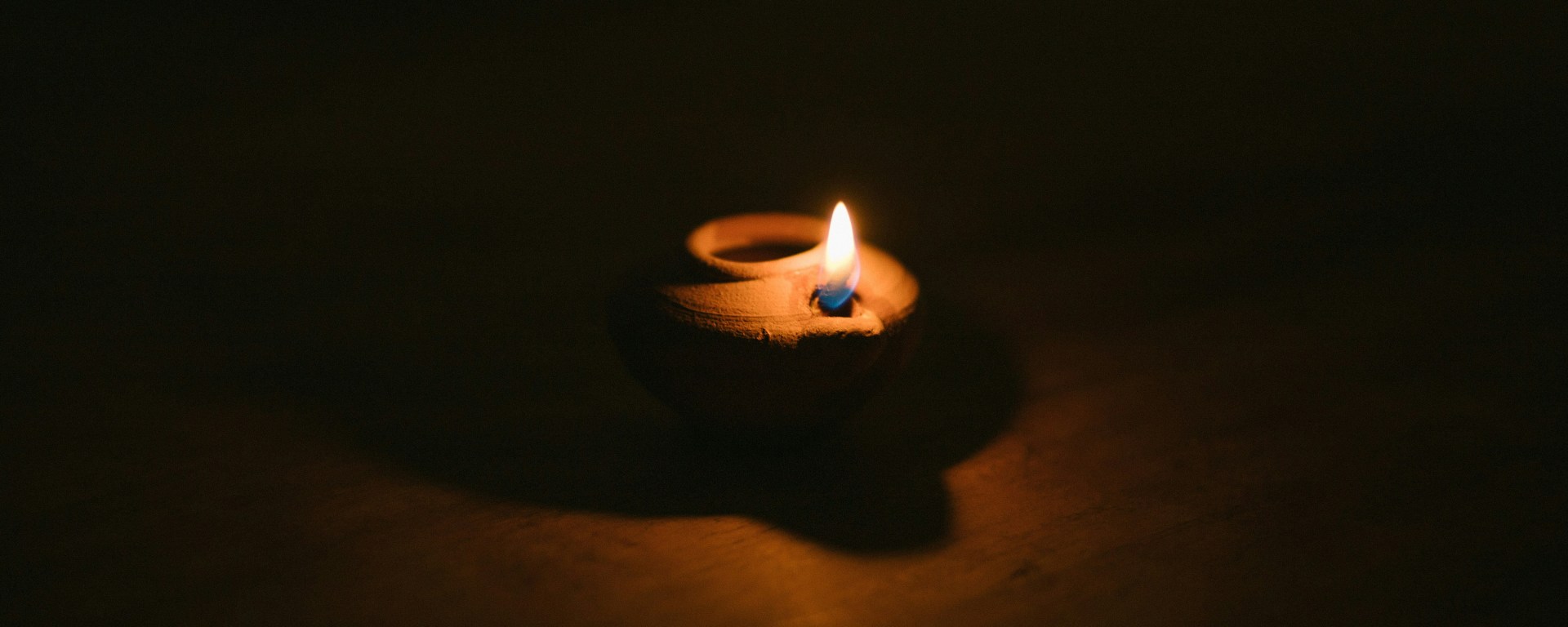
When I turned eighteen– a few years after my mother died, my grandmother sent me an album– a homespun genealogical record of sorts, full of family photos and notations. At the back of the book there was a pocket full of snippets cut out of cards and letters my mother had sent to my grandmother when I was a young child. The rubber tires of my bicycle bumped and glided across the varying gravel lanes and driveways of my youth. When I was not riding my bicycle, I was most likely lost between the pages of one book or another.
I was eight years old when my mother told me that I was reading because I was depressed. I thought I just liked to read. It didn’t really matter though. I read from Oregon to Texas and back again in the front seats of large orange and white moving trucks– ignoring the faint waves of motion sickness that threatened my various solitudinous adventures– squinting at black ink on white pages between the glow of street lamps as we drove through sleeping cities for as long as I dared. One more paragraph; one more chapter, always.
When I graduated from high school, my senior yearbook told me that my classmates would remember me for my frequent visits to the library; and, I am sure that anyone who had ever known me was not surprised when I found myself working in a library. But, in many ways, it was in the library that I discovered the power of the ordinary story.
I grew up listening to the “exotic” stories of international missionaries; but, in the library, stories were lived out in between due dates and shared in two and five minute snippets at the counter every fourteen days. The most mundane recountings mattered; and, listening to a story well could change a life– and, on some days, maybe even save it.
People shared their lives with us, pouring out their offerings of remembrance and joy and pain and wonder and frustration. Sometimes it was appropriate to share these stories as a point of advocacy– in this way one neighbor’s story might result in better services for many others. Other times, a story could be shared to highlight an unjust policy or procedure; in the best cases, a change was made. In other cases, the power structures knew that someone was listening and paying attention.
The poet, Mary Oliver wrote,
Meditation is old and honorable, so why should I
not sit every morning of my life, on the hillside,
looking into the shining world? Because, properly
attended to, delight, as well as havoc is suggestion.
Can one be passionate about the just, the
ideal, the sublime, and the holy, and yet commit
to no labor in its cause? I don’t think so.All summations have a beginning, all effect has a
story, all kindness begins with the sown seed.
Thought buds towards radiance. The gospel of
light is the crossroads of— indolence, or action.Be ignited, or be gone.
Today, I have moved on from the hallowed halls of the library to the sacred space of frequently forgotten and forsaken communities (a reference to “Church Forsaken,” a book by Jonathan Brooks). As I reflect on the pattern of my life, it is clear that my “superpower” in this long marathon jouney towards racial justice is the simple gift of Story– to read it, to listen to it, to hold space for it, and to convey and share when it is appropriate. In this way, I believe that we can help each other. Like our ancestors who used to gather close around the fire– breaking bread and low voices riding the cold breeze of an early spring night, for warmth and for community, we too can gather our stories– that they might ignite change and we are all “free at last.”
Discover more from Three-Fifths
Subscribe to get the latest posts sent to your email.

 Three-Fifths