
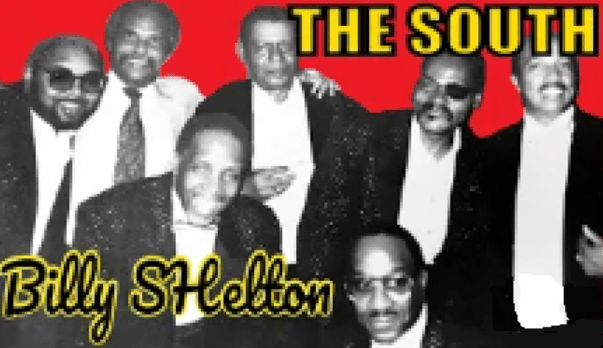
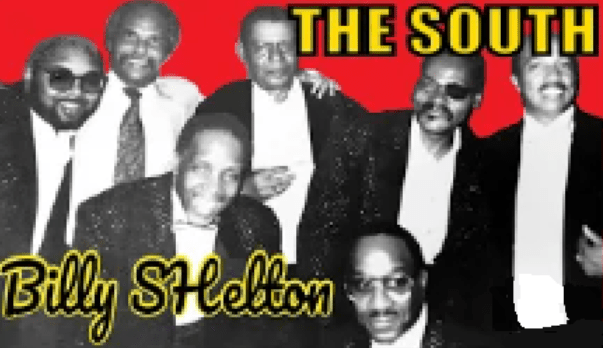
Billy Sheldon’s voice is like velvet, rich and smooth even after a lifetime of singing. At 86, his eyes sparkle with the joy of music. He’s lived through the heyday of doo-wop in the 1940s, all while enduring the struggles of being a Black man in a segregated and unjust America.
I was honored that he wanted to share his story with me. Not just the glitz and glamour of touring with legends like Sam Cooke and Lou Rawls, but also the harsh realities he faced. He remembers the sting of racism, the fear of traveling through the South, and the moments when music became his shield against hate.
His story is only one of millions and millions of people whose lives were horribly impacted by systemic racism in the United States, yet he persevered and never stopped singing.
This is a small expert from the three-part interview I did with Mr. Billy Sheldon of the original Doo Wop Spaniels:
“I was born in the heart of the depression of Chicago, you know, in Chicago on the south side of Chicago… the southeast side. I was born in 1934. I grew up with other entertainers of that era like Sam Cooke, Lou Rawls, Bo Diddley, Nat King Cole, Minnie Riperton, Dinah Washington, Thomas a Dorsey, and Mahalia Jackson … That all of us were from that same area in Chicago is something! I did not choose music, it chose me. I just had to sing. Music is so powerful. It’s the most powerful thing I’ve ever seen.
The broadcasting industry would not let a Black artist come there with a record, and they would not play a Black record unless it was covered… it was done by a “white” group. A good example is our record, Goodnight Sweetheart, Goodnight. We recorded that in 1954. I think it was in March and it got pretty high on the charts you know, but it really went into the millions when The McGuire sisters sang it because that was saying that the parents wouldn’t let their children listen to Black radio stations and they would they wouldn’t play Black music on the white radio stations. The McGuire sisters got our song and when they sang it, it sold millions. They got rich off of our song when we recorded it before they did.”
Imagine chasing your dreams amidst a symphony of applause while battling a cacophony of hate. This was the harsh reality for countless Black musicians like Billy Sheldon, who dared to step onto the segregated stages of the American South in the 1940s. Their journey wasn’t paved with gold dust but with thorns of prejudice and systemic barriers.
Billy’s story resonates with a timeless struggle – the pursuit of artistic expression against the backdrop of racial injustice. He wasn’t just a vocalist; he was a symbol of resilience, navigating a landscape where musical notes danced precariously with the specter of discrimination.
As we heard in his excerpt above, Billy and his group poured their souls into their songs, their voices weaving magic in the air. Their music climbed the charts, its popularity undeniable. Yet, the irony hung heavy – while “white” crowds swayed to their rhythm, the financial dividends bypassed them. Most of their songs’ true fortune went to “white” groups who simply covered it, a stark reminder of the racial pay gap that muted Black voices even when they soared.
Then there was the incident in Georgia, where the sweet taste of success curdled into fear. Billy and his band had captivated a young audience, their music igniting a joyous spark. But that spark ignited something else too – the simmering embers of “white” Southern prejudice and terrifying hate. The enthusiasm of the “white” girls in the crowds of concert goers was deemed inappropriate, their adoration seen as a transgression. The musicians were abruptly whisked away, their tour cut short, their dreams relegated to a backseat by the fear mongering of racism.
And who could forget the silent threat that lurked in the shadows – the Ku Klux Klan. At a roadside diner, the clinking of spoons against plates was punctuated by the chilling presence of a hooded figure. The air thickened with unspoken animosity, a reminder of the ever-present danger. It was a stark reality check, a chilling melody playing counterpoint to the music they carried in their hearts.
These are just glimpses into the tapestry of Billy’s life, each thread woven with the struggle and sacrifice demanded by pursuing a dream in a hostile land. His story, and that of countless others like him, is a testament to the indomitable spirit of Black musicians who refused to let their voices be silenced. They navigated a labyrinth of discrimination, their artistry a beacon of hope against the darkness.
Today, as we delve into the annals of antiracism, it’s crucial to remember the struggles of these pioneers. Their stories must not be relegated to dusty archives, but kept alive as anthems of resilience, reminding us of the battles fought and the victories won in the long march towards equality. The melodies of their fight may have faded, but the echoes of their courage resonate still, urging us to continue dismantling the barriers that still stand in the way of artistic and human expression.

Discover more from Three-Fifths
Subscribe to get the latest posts sent to your email.
 Three-Fifths