


As a mother, I have tried to use Black history to inspire my son to look at the achievements of other individuals who share his cultural heritage. It has been a way to plant the seeds of inspiration which will hopefully grow as he matures. However, this year, our conversations have ventured into an area often overlooked in relation to achievement within the Black community: neurodivergence.
And so, I made it a point to find some famous Black folks who have identified as “neurodivergent” to show him and others that Black excellence can be found in different packages. And that embracing differences helps increase the richness of the tapestry of American life.
Neurodivergence, a nonmedical term described by the Cleveland Clinic, pertains to individuals whose brains develop or function differently for various reasons, leading to distinct strengths and challenges. This includes conditions such as ADHD, dyslexia, and autism spectrum disorder. When my son was diagnosed with autism at the age of three, early intervention and therapy supported his growth. However, it’s also led to a desire to blend in, rather than stand out.
Bridgeslearningsystem.com recently revealed several African Americans who I did not know identified with the term. They include Simone Biles (ADHD), Amanda Gorman (auditory processing disorder), Questlove (autistic), Armani Williams (autistic), and Harry Belafonte (dyslexic). I believe there are countless unknown people of color with extraordinary achievements, some potentially undiagnosed.
The reason I believe this segment of the population is important to recognize during Black History Month is not only to increase awareness but also to help boost self-esteem and pride in differences. And I hope to expand our community’s consciousness about a growing issue. In 2023 the CDC reported one in 36 children was diagnosed with autism. This is an increase from one in 44 children two years ago. This means in just a few years there will no doubt be many people who are on the Spectrum entering adulthood with various skills and needs.
Carter G Woodson who originally created “Black History Week” during the month of February in the 1920s – created a starting point to expand the nation’s consciousness around Black history and excellence in the United States. It was a small step that eventually grew to be a month.
And sometimes it takes small influences to grow a movement.
Take, for example, a woman named Nancy Ambrose. Most people likely will not recognize her name. She was a former enslaved woman who could not read. She was the grandmother of Howard Washington Thurman.
I was reminded of Thurman’s contributions by listening to the podcast “Take Back Your Mind” by Rev. Michael Bernard Beckwith, of the Agape Church. In a short conversation, he mentioned that Thurman was a huge influence on Dr. Martin Luther King Jr. History notes that Thurman was an author, philosopher, theologian, educator, and mystic. When Dr. King was stabbed at a Harlem, NY book signing in 1958, Thurman paid him a visit, advising him on his future.
Paul Harvey, a history professor at the University of Colorado Boulder, wrote in THE CONVERSATION in 2018, that King carried “his own well-thumbed copy of Thurman’s best-known book, “Jesus and the Disinherited,” in his pocket during the long and epic struggle of the Montgomery bus boycott.” King used the philosophy in many of his sermons and writings during the 1950s.
That inspired me to read through the book, and I found many words that resonated with me. Thurman challenged the philosophy of “Christianity” used by many during his time as a weapon against those who were disenfranchised and marginalized. One story he shared in the book was that his maternal grandmother, Nancy Ambrose, who was a former enslaved woman who could not read — would often ask him to read portions of the bible to her. But she wouldn’t let him read any of the Epistles of Paul. His grandmother said when she was young, the slave master would only let a white minister hold church services.
“Old man McGhee was so mean that he would not let a Negro minister preach to his slaves. Always the white minister used his text something from Paul. At least three or four times a year he used as a text: ‘Slaves, be obedient to them that are your masters…, as unto Christ.’ Then he would go on to show how it was God’s will that we were slaves and how if we were good and happy slaves, God would bless us. I promised my Maker that if I ever learned to read and if freedom ever came, I would not read that part of the Bible.”
It made me smile to know Thurman’s grandmother’s small act of defiance planted seeds that helped grow into the strong roots of a movement that continues even today. Historians note that Thurman was not an activist like King, but his writing and teaching in educational and theological circles continue to make an impact.
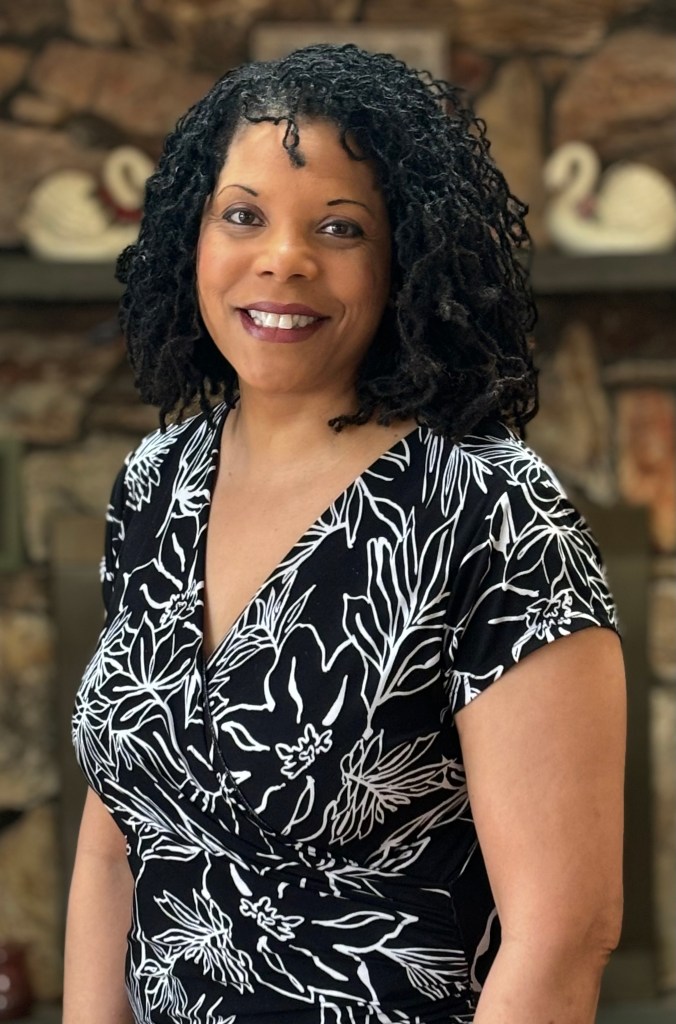
Esther Dillard is an Anchor/Reporter at the Black Information Network. She’s also the author of the soon to be released book “Raising an Autistic Young Adult” on February 15, 2024.
Discover more from Three-Fifths
Subscribe to get the latest posts sent to your email.

 Three-Fifths
