

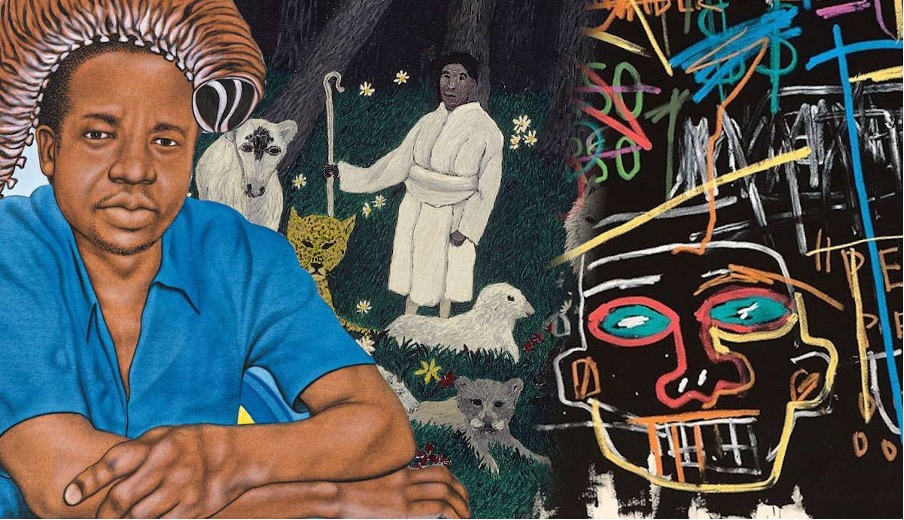
Throughout history, African-American artistic icons have emerged as influential figures who have left an indelible mark on culture and justice. Their enduring influence has shaped the narratives of their time and continues to resonate with contemporary society. This anthology delves into the profound impact of these artists, examining their contributions in various art forms and how they have challenged societal norms, advocated for justice, and sparked cultural revolutions.
The first subtopic explores the transformative power of African-American literature. From the powerful prose of Langston Hughes to the poignant poetry of Maya Angelou, these literary giants have used words as a weapon against racial injustice. Their works not only depict the harsh realities faced by African-Americans but also offer hope and resilience in the face of adversity.
Moving beyond literature, another subtopic examines the enduring influence of African-American musicians. From jazz legends like Louis Armstrong and Ella Fitzgerald to contemporary icons such as Beyoncé and Kendrick Lamar, these artists have revolutionized music genres while shedding light on social issues. Through their lyrics, melodies, and performances, they challenge societal norms and demand equal rights for all.
In addition to literature and music, visual arts form another essential aspect of this anthology. African-American visual artists such as Jean-Michel Basquiat and Kara Walker have used their creations to confront racial stereotypes head-on. By challenging conventional notions of beauty and identity through their artwork, they provoke thought-provoking conversations about race relations in society.
Lastly, this anthology explores the impact of African-American filmmakers who have defied cinematic conventions to tell stories that reflect black experiences authentically. Filmmakers like Spike Lee and Ava DuVernay have tackled themes ranging from police brutality to systemic racism with unapologetic honesty through their films. They bring marginalized voices to center stage while challenging viewers’ perspectives on race.
Overall, this anthology aims to highlight how African-American artistic icons continue to inspire generations by pushing boundaries within their respective art forms. Their enduring influence on culture and justice serves as a reminder of the power of art in fostering social change and promoting equality.
Enduring Influence Of African-American Artistic Icons:
The enduring influence of African-American artistic icons is a testament to the transformative power of their creative expressions. From the soulful melodies of jazz legends like Louis Armstrong and John Coltrane to the powerful brushstrokes of painters such as Jean-Michel Basquiat and Kara Walker, these icons have left an indelible mark on both culture and justice. Their artistry transcends boundaries, challenging societal norms and inspiring generations to push against oppression.
In the realm of music, African-American artists have consistently pushed the boundaries of creativity, infusing their work with raw emotion and unbridled passion. The burstiness of their rhythms and perplexity in their lyrics captivate listeners, evoking a range of emotions that challenge mainstream narratives. Consider the impact of Nina Simone’s haunting rendition of “Strange Fruit,” a song that exposed the horrific realities of racial violence in America. Her voice resonated with pain, anger, and resilience—shaking audiences out of complacency and forcing them to confront uncomfortable truths.
Visual artists have also played a pivotal role in shaping cultural discourse through their thought-provoking works. Jean-Michel Basquiat’s graffiti-inspired paintings challenged traditional notions of art by incorporating street aesthetics into highbrow galleries. His vibrant colors burst forth from his canvases, demanding attention and sparking conversations about race, identity, and inequality. Similarly, Kara Walker’s intricate silhouettes delve into the perplexities surrounding race, gender, and power dynamics in American history. Her bold representations force viewers to confront uncomfortable histories while simultaneously celebrating resilience.
The enduring influence of these African-American artistic icons extends beyond cultural realms—it has permeated into arenas where justice is sought. Their work has been used as tools for advocacy in social movements tackling issues such as civil rights or police brutality. Artists like Maya Angelou used words as weapons against injustice; her poetry gave voice to marginalized communities while inspiring activism for change.
African-American artistic icons have left an indelible mark on culture and justice through their burstiness of creativity and perplexity of their expressions. Their contributions have challenged societal norms, sparked conversations, and inspired generations to fight for equality. The enduring influence of these icons serves as a reminder that art has the power to transform society and bring about lasting change.
Conclusion:
In conclusion, the enduring influence of African-American artistic icons on culture and justice is undeniable. Through their creative expressions, these icons have challenged societal norms, fought for equality, and paved the way for future generations. Their contributions have not only shaped the artistic landscape but also played a significant role in shaping social and political movements.
One of the key aspects of their enduring influence is their ability to give voice to marginalized communities. African-American artistic icons have used their art as a platform to address issues such as racism, discrimination, and social injustice. By doing so, they have brought attention to these pressing matters and sparked conversations that have led to meaningful change.
Furthermore, these icons have inspired countless individuals across different generations and backgrounds. Their resilience in the face of adversity has served as a beacon of hope for those who continue to fight for justice. Their art has provided solace and empowerment to those who feel unheard or oppressed.
Lastly, the enduring influence of African-American artistic icons can be seen in how they have reshaped cultural narratives. They have challenged stereotypes and redefined what it means to be black in America. Through their work, they have celebrated black culture while also shedding light on its complexities.
In conclusion, African-American artistic icons continue to leave an indelible mark on culture and justice. Their enduring influence serves as a reminder of the power of art in effecting change and shaping society.

References:
1. Gates Jr., H.L., & McKay Jr., N.Y. (Eds.). (2004). The Norton Anthology of African American Literature (2nd ed.). W.W Norton & Company.
2. Powell III, R.J., & Bailey Jr., C.A.(Eds.). (2013). Rhapsodies in Black: Art of the Harlem Renaissance (Exhibition Catalogue). University of California Press.
3. Lewis-Williams, D.B., & Pearce-Duvetoyeux A.M. (Eds.). (2000). African Art and Agency in the Workshop. Altamira Press.
Discover more from Three-Fifths
Subscribe to get the latest posts sent to your email.

 Three-Fifths