
We will begin singing carols about peace this month. We will raise our voices to beseech the holy infant to “sleep in heavenly peace,” and we will elevate a hallelujah to the “Prince of Peace.”
And versions of Jill Jackson-Miller and Sy Miller’s beautiful song will spill out of the radio pleading:
“Let there be peace on earth,
and let it begin with me.”
But looking back at what 2023 brought, it is hard to imagine that peace on earth is attainable in the world or in our hearts when countries are at war and children are dying; when guns are idols and children are dying; when we have a global refugee crisis and children are dying; when hunger, addiction, homelessness, poverty, racism, transphobia, and abuse are the media’s daily bread and children are dying.
It is enough to make you feel hopeless.
As Christmas approaches, at times, I find myself relating to Henry Wadsworth Longfellow’s bleak words he penned as he heard the cannons of the Civil War booming in the distance:
“And in despair, I bowed my head;
‘There is no peace on earth,’ I said;
‘For hate is strong,
And mocks the song
Of peace on earth, good-will to men!’”
So, amid this anguish, how do I cultivate a peace that begins with me?
I must start with hope.
I cannot speak for those who don’t believe in God or follow Jesus, but I can speak for myself, my hope is found in Christ, and I define hope as the expectation that God will do what God has promised to do.
Like David, when I look upon the hills, the mountains that seem to loom, casting shadows of distress and fear, and I ask myself, “Where does my help come from?” my soul replies, “My help comes from the Lord who made the heavens and the earth.”
I believe that with all my heart.
I also believe that hope is a necessary companion to peace, and they are symbiotic.
Peace, like hope, is a major theme in the Bible. Depending on the version you read, the word peace appears between 263 and 429 times.
And, while peace on earth is a beautiful dream and a biblical longing, when I hear the words, “Let it begin with me,” I know that hope is a firm foundation, but it is not the whole structure.
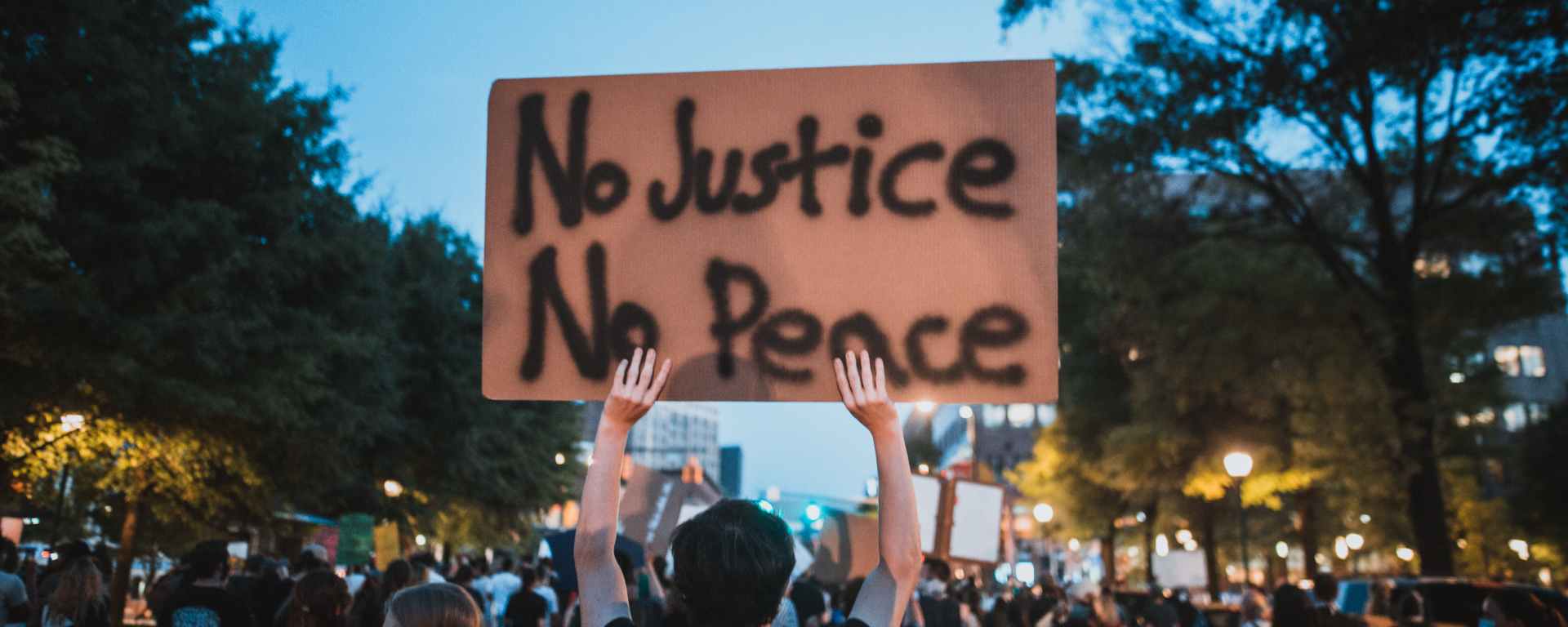
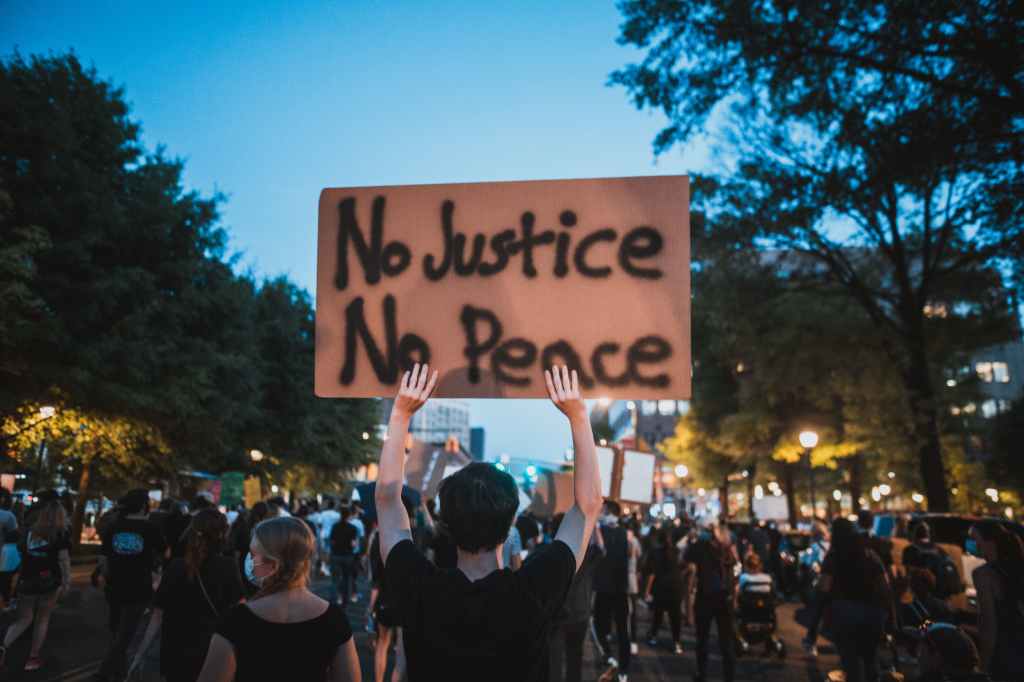
It may sound counter-intuitive, but peace is an active state for me. Peace is not quiet or passive. Peace within me is an action verb. For peace to begin with me, I must be an involved agent toiling for peace in this world.
I think of another song written by Ron Block and popularized by Alison Krauss called “Living Prayer.” The chorus goes:
“In your love, I find release,
A haven from my unbelief.
Take my life, and let me be
A living prayer, my God, to thee.”
A living prayer.
A prayer that is alive, aware, dynamic, breathing, doing. The peace that begins with me is deeply connected with being a living prayer, actively working for peace.
I find peace by speaking for those who have no voice, advocating for change, fighting for justice, making good trouble in my job and social media, raising my children, and teaching my students.
By being a peace-maker.
Longfellow closes his poem with a glimmer of hope:
“God is not dead, nor doth He sleep;
The Wrong shall fail,
The Right prevail,
With peace on earth, good-will to men.”
My peace comes from trusting God to help me in times of need and deriving hope from that knowledge.
But also, from being a living, active prayer, doing my part to make sure the wrong shall fail and the right prevail.
There will only be peace on earth if peace-making begins with me.
Discover more from Three-Fifths
Subscribe to get the latest posts sent to your email.
 Three-Fifths