
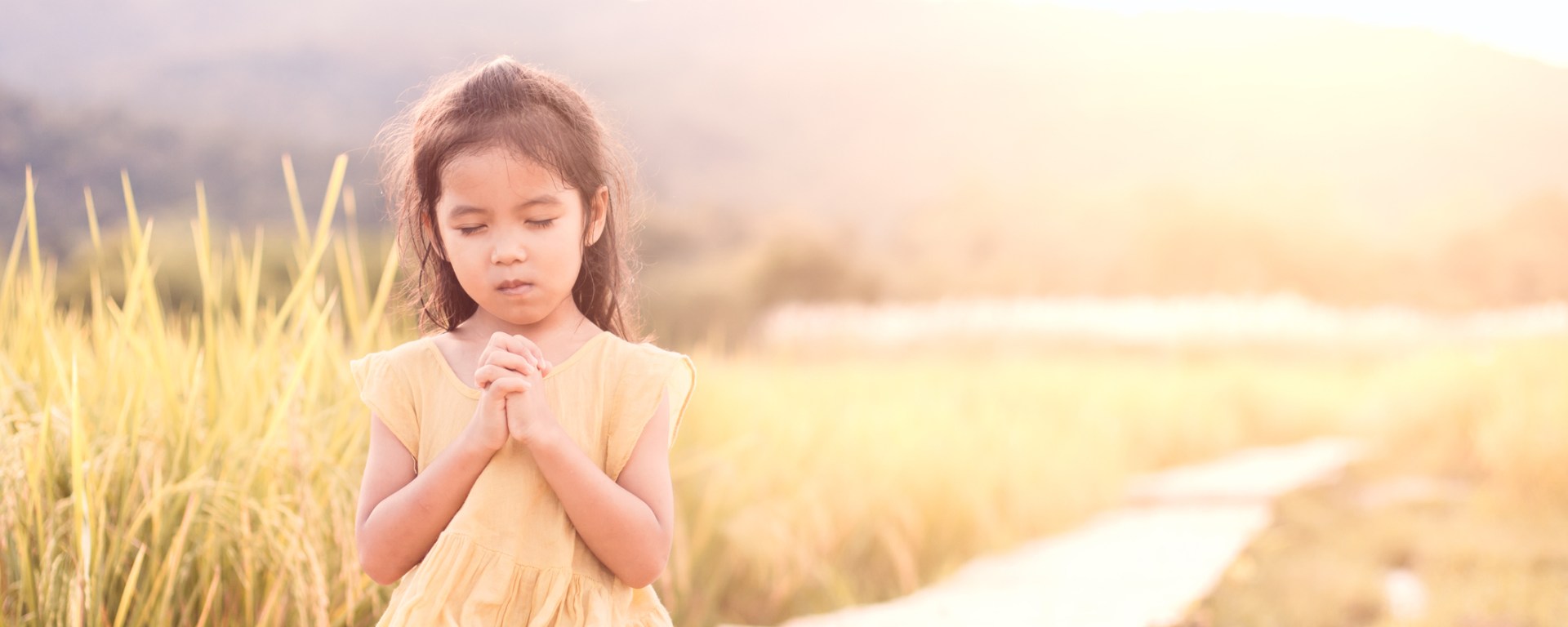
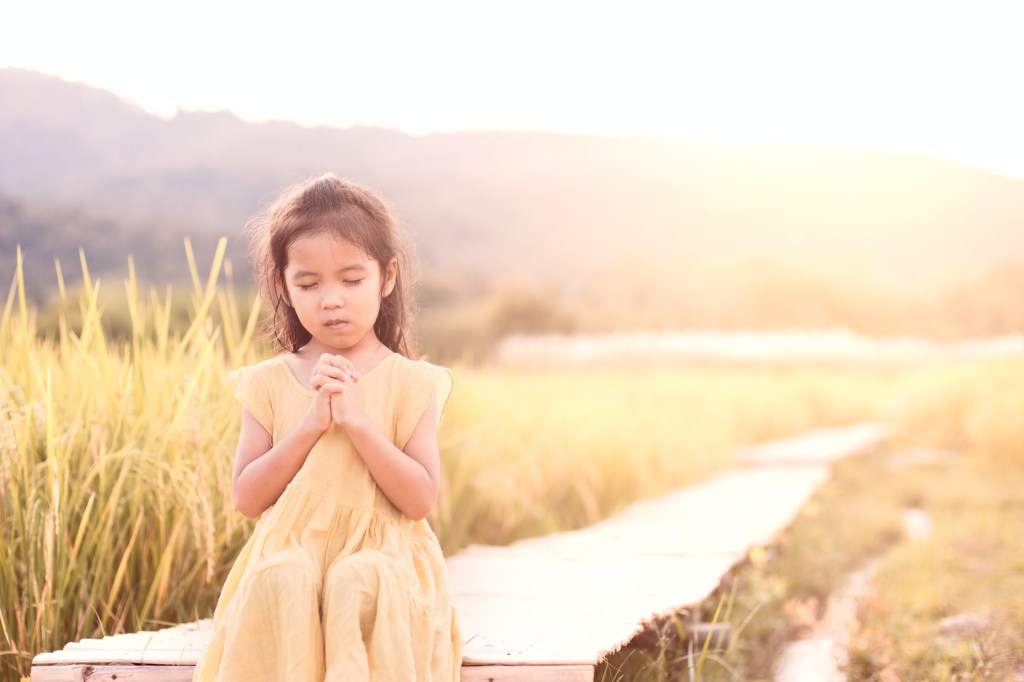
If we are to reach real peace in this world and if we are to carry on a real war against war, we shall have to begin with children; and if they will grow up in their natural innocence, we won’t have to struggle, we won’t have to pass fruitless idle resolutions. But we shall go from love to love and peace to peace, until at last all the corners of the world are covered with that peace can love for which, consciously or unconsciously, the whole world is hungering.
Mahatma Gandhi (Young India)
Jesus referred to those who humbled themselves as a little child as “the greatest” before Muhammad Ali adopted the moniker. What is it about children that makes them so great? Is it their boundless curiosity, their ability to find joy in the smallest moments, or their capacity to live free from the opinions of others? Perhaps it is their authenticity in expressing their emotions without a filter. Children have an uncanny ability to change the atmosphere without even trying, and their presence can make selfishness disappear. They are fearless and often dangerously bold, willing to take a chance on a perfect stranger until they prove otherwise. Children have open minds and a natural capacity for kindness and generosity that inspires us to be better and do better. They represent the continuation of nations, tribes, lineage, and history. Children are God’s way of reminding us to stay grounded, even when we think we have arrived. God has a sense of humor and often uses children to teach us life lessons. We should learn from them and follow a path of humility that will lead us to a world filled with peace.
When discussing peace, you may wonder why I am bringing children into the conversation. You might ask, “How are children connected with the concept of peace?” When I speak of peace, I am specifically referring to world peace. Children are the future, and what we teach them now will greatly impact how they govern themselves later in life. If we want to raise a generation of peacekeepers, we must educate them on the importance of maintaining peace.
The law of sowing and reaping is a universal principle that extends beyond biblical teachings and applies to our daily lives. We cannot expect a “harvest” of peaceful outcomes if we have not taken the time to “sow” the knowledge of how to resolve conflicts. We must equip our youth with practical conflict-resolution skills to raise a generation of peacekeepers worldwide. Unfortunately, conflict resolution is often overlooked in our homes, schools, and places of worship.
As parents, educators, or mentors, we often prioritize academic success and extracurricular activities, neglecting the importance of developing interpersonal skills in young people. If we ignore this aspect of personal growth, we risk raising a generation that is unprepared to deal with the challenges of life and may respond destructively to conflict.
Let’s go inward and do a little self-reflection. Think about the following questions. Am I providing children with the necessary tools to handle difficult conversations? Do I teach them how to manage their emotions and communicate effectively? Am I expecting a specific behavior from my child for which I have not provided guidance? How developed are my interpersonal skills?
Conflict resolution goes beyond surface-level practices of shaking hands or hugging someone you disagree with. I’m talking about doing the inner work within yourself and your children. Neglecting this responsibility may have grave outcomes, such as increased violence, wars, and lawlessness. By acting now and cultivating the seeds of conflict resolution in the children we interact with, we can help prevent these negative consequences.
Establishing enduring peace is the work of education; all politics can do is keep us out of the war.
Dr. Maria Montessori
Apart from the home environment, schools can play an important role in instilling the values of peace in our youth. I recently discovered that Montessori schools include peace and social justice concepts in their curriculum. They view children as future leaders and prepare them for the present and the future. Every school district nationwide should adopt this perspective as it emphasizes the significance of shaping a better world by nurturing the minds and hearts of children. Enduring peace is more desirable than temporary political gestures of calling a truce or signing a peace treaty without addressing the root cause of the conflict. Peace comes from the heart, and it is important to instill these values in our youth early. Children need to be prepared for life, not just college or a career.
Blessed are the peacemakers, for they shall be called sons of God.
Matthew 5:9 (NKJV)
The Western understanding of peace is simply the absence of conflict, which doesn’t fully capture the Hebrew meaning of the word. In this world, conflicts and tribulations will always exist. Peace means shalom in Hebrew. However, the word “shalom” is more than just an absence of conflict. It is a greeting and a farewell, conveying blessings of wellness, prosperity, health, tranquility, harmony, fulfillment, and success. The root word for shalom is “shalam,” meaning to make whole, restore, or provide full restitution. When someone says shalom to you, they pronounce blessings or bid you well wishes as you depart. The word “maker” means to make or create something. When you add the prefix “peace” to it, a peacemaker becomes someone who actively seeks and engages in courageous conversations to restore harmony between opposing parties. It means intentionally resolving conflicts instead of passively avoiding them.
God is the source of all peace. From the Christian perspective, a peacemaker seeks to express God’s character, exemplified by God reconciling humankind to Himself through His son, Jesus Christ. Jesus Christ is the ultimate peacemaker because He broke down the wall separating God and humanity. A peacemaker is someone who is humble, courageous, and open to communicating and listening to others when resolving conflicts. Educating children about the significance of peacemaking and providing them with the necessary resources and skills can make reconciliation a way of life and build a better world. Let peace begin with the children.
Discover more from Three-Fifths
Subscribe to get the latest posts sent to your email.

 Three-Fifths