
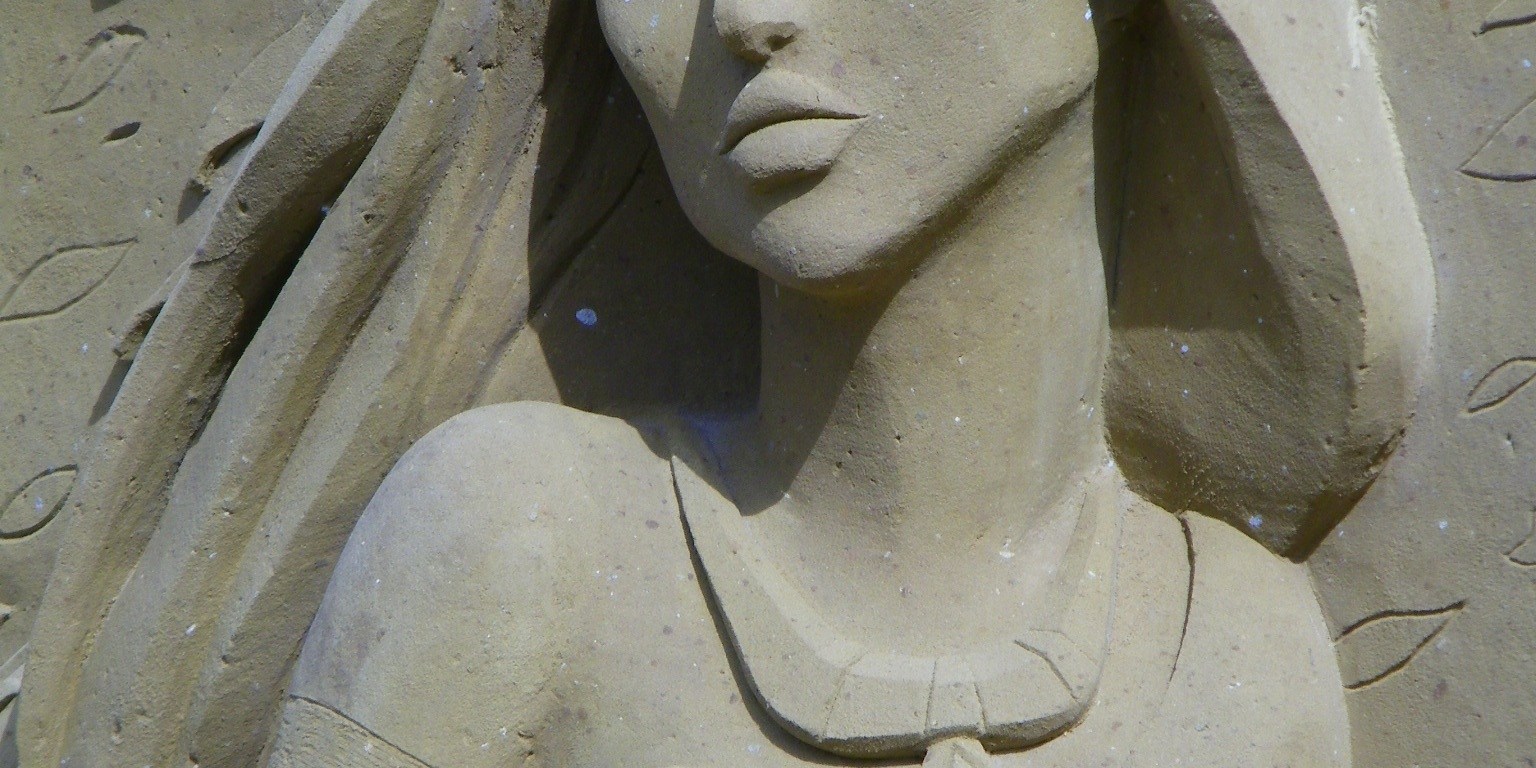
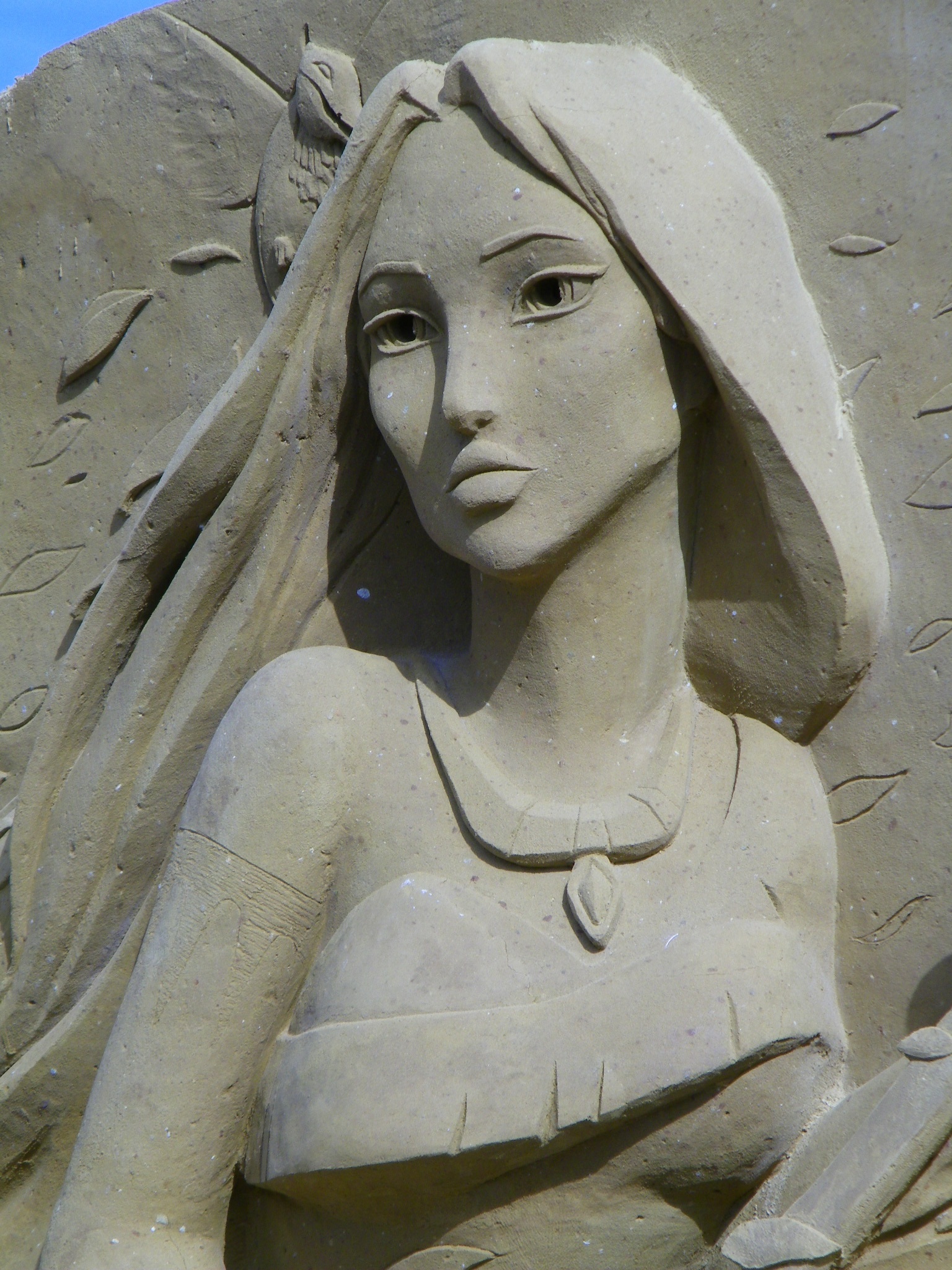
“You think I’m an ignorant savage
And you’ve been so many places
I guess it must be so
But still, I cannot see
If the savage one is me
How can there be so much that you don’t know?
You think you own whatever land you land on
The Earth is just a dead thing you can claim
But I know every rock and tree and creature
Has a life, has a spirit, has a name
You think the only people who are people
Are the people who look and think like you
But if you walk the footsteps of a stranger
You’ll learn things you never knew
You never knew”
(Lyric excerpts from Disney’s “Pocahontas,” and the theme song “Colors of the Wind”)
Although the movie was largely fabricated, the above lyrics do essentially summarize the sentiments of Pocahontas’ father, the Powhatan Chief, to British colonizer John Smith. Pocahontas was only around 10 or 12 years old, and John Smith was in his late 20s or 30s during this time.
Not everyone shares the same core values in life. For some, the highest value in life is the conquering and subjugation of others and the world around them, inclusive of the animal kingdom. It is a matter of accumulation of wealth and power at all costs. It is a value system filled with exploitation, violence, and deceit.
When these core values collide with cultures that champion core values of honoring the rights of all living creatures and living in harmony with nature, it is typically those who embrace a winner-take-all philosophy and an “only the strong survive” mentality, that end up with the immediate spoils at the expense of the benefits of collective shared ingenuity and peaceful relationships.
This is not to say that there are no individual exceptions to these cultural values shared by the group. There is no shortage of acts of man’s inhumanity to man across the collective whole of humanity. But those exceptions do not represent the norm of those cultures.
In addition, an ultimate course of self-destruction is carved out in ignorance as nature turns against her attackers. The wildlife suffers, as does the purity of air, land, and water, all of which are needed for the healthy continuation of the inhabitants of the earth. When the earth becomes unhealthy, so do its inhabitants. It’s just a matter of time, and no one can outrun Father Time.
Yet, without understanding these basic principles of life from a comprehensive perspective, temporary shiny objects and superficial status are sought and valued. There is a dooming failure to grasp the circle of life and that all life is interrelated and has its purpose set by the Creator. When we fail to understand this, we violate these principles, and eventually, our sins catch up with us, leading to our own demise.
In time, one’s sense of supremacy and arrogance flies back in their face.
These are the lessons that the indigenous people attempted to teach those whom they embraced in a spirit of peace, only to be deceived and betrayed and on the receiving end of mass genocide and attempted cultural annihilation, AKA, cultural genocide.
The first Thanksgiving was an act of kindness without expecting anything in return. Yet, what was returned was acts of brutality and savagery.
The first settlers found themselves in desperation with limited knowledge of how to survive in this new world. That desperation led to starvation and disease. Many turned to eating their limited livestock, which escalated to eating rodents, their dogs, and cats, and at some point, turning to cannibalism and eating their own dead.
In addition to the Powhatan tribe, the Wampanoag also reached out in an attempt to engage the new inhabitants peacefully by offering survival skills such as hunting and agriculture, and in this first holiday which we refer to as Thanksgiving, shared a variety of foods such as corn, wild rice, beans, and turkey.
It begs the question, what in this regard did the Native Americans end up having to be thankful for after all of their acts of kindness? As the saying goes, “No good deed goes unpunished.”

Discover more from Three-Fifths
Subscribe to get the latest posts sent to your email.

 Three-Fifths