
Over a century ago, in The Souls of Black Folk, his classic 1903 treatise on the challenges of racism nationally and globally, W. E. B. Du Bois argued that “The problem of the twentieth century is the problem of the color line, –the relation of the darker races of men in Africa and Asia, in America and the islands of the sea.” Du Bois proved to be prophetic in that the challenges of color prejudice, racism, colonialism, xenophobia, and exploitation of developing nations by the most advanced nations were without precedent. However, the twentieth century also saw massive changes in American and international political and policy dynamics that altered the trajectory of racial and ethnic oppression and inequality. Most prominent among these efforts were the Black Freedom Struggle (i.e., the Civil Rights Movement) in the United States, anti-colonial movements in Africa and Asia, and the global movements for peace following both the First and Second World Wars. Indeed, the twentieth century saw “the best of times and the worst of times” in terms of American and global reckoning with the true colors of White Supremacy that both fueled and were fueled by racial and ethnic hatred.
The latter half of the twentieth century also produced newly independent nation-states in the developing world and hope for economic and social mobility in many American communities of color previously held back by vestiges of Jim Crow segregation, state-sanctioned discrimination, inferior educational opportunities, and labor exploitation. The acquisition of voting rights and the expansion of the Black middle class provided hope for an American nation-state that hewed closer to its stated ideal “that all men [and women] were created equal and endowed by their Creator with certain unalienable rights.” However, the “silent majority” emerged in the post-Civil Rights era as a political and cultural force, and the ideological groundwork was laid for not only a “Southern Strategy” as exemplified by Richard Nixon and Ronald Reagan, but also a race-based appeal to poor and working-class white Americans throughout the nation who felt their privileged racial status as “white” was being eroded and their “birthright” as the dominant racial group in American society being taken away.
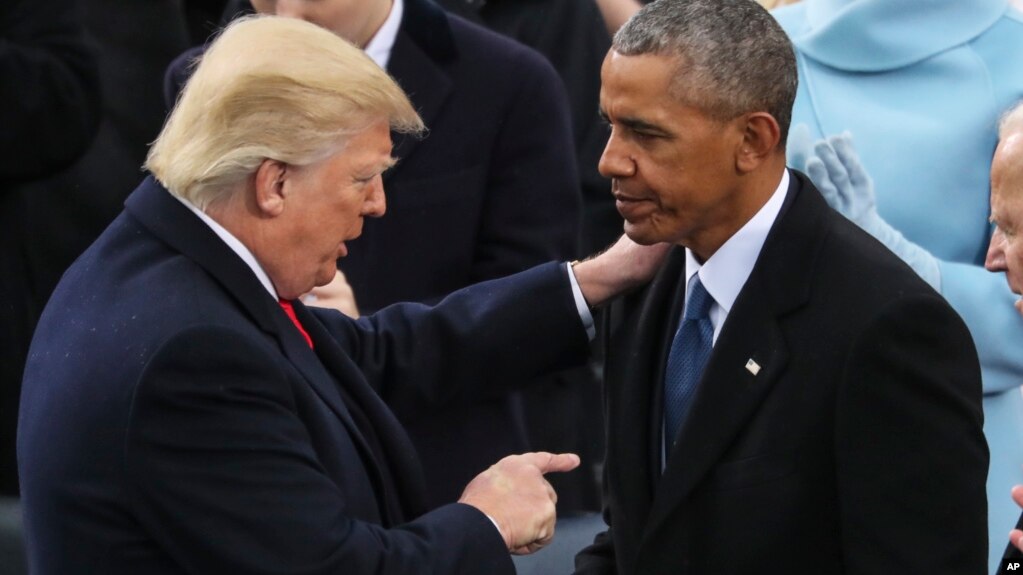
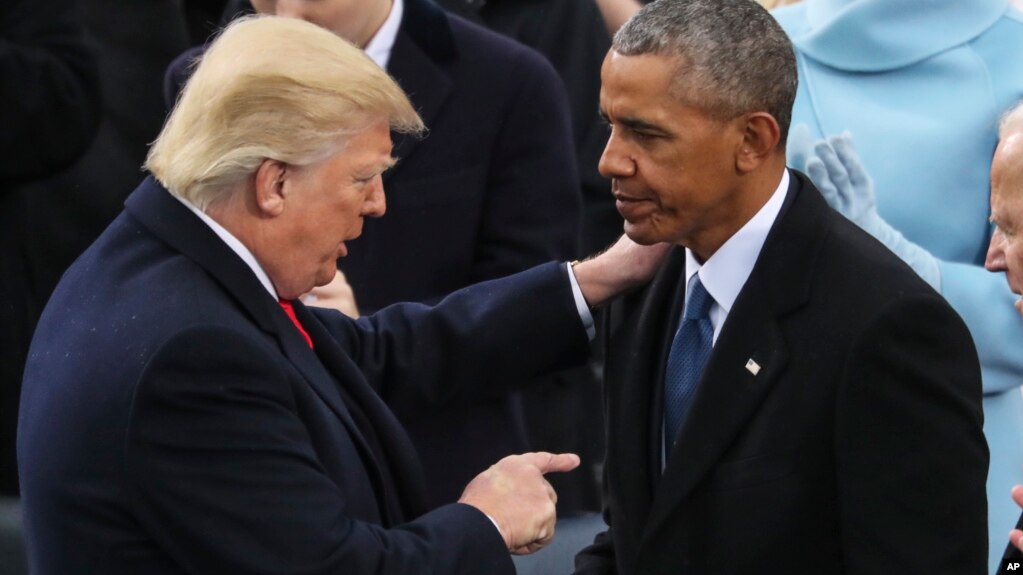
The economic and political gains by a segment of the African American population coincided with the economic anxiety and restlessness in urban centers and rural communities caused by deindustrialization, globalization and increases in the police state and construction of prisons, and decreases in the welfare state and the destruction of democracy via voter suppression and gerrymandering. This toxic brew regarding America’s ambivalence about its true colors came to a head with the War on Terror (i.e., a war on Arabs and Muslims) during the Bush Administration and the election in 2008 of the first bi-racial (since we are talking true colors) U. S. president. Obama himself was emblematic of both the promise (a non-white president) and the problem (a man of color born to a white woman and a Black man and reared in the former U. S. colony-nation Hawaii) that are the political and cultural end results of America’s struggle with issues of racism, imperialism, xenophobia, and its myth of “the shining city on a hill.” That is, he reflected the nation’s embracing the diversity of its populace while denying much of its history with color, colorism, colorblindness, and color camouflage. This dynamic played out in the most dire of ways when Donald John Trump, a mythological figure of exceptional powers of media manipulation rose to political prominence, not as a successful businessman or politician, but as a reality TV sensation and a vocal media advocate of Obama’s supposedly secret racial, ethnic, national, and religious origins.
What did this mean in real-time and in real life? It meant a backlash long in the waiting based on a centuries-long alliance between the ultra-rich capitalists, political elites, and that faction of the white population who soothe their own emotional and economic anguish by deeming people of color, especially African Americans, undocumented Latinx immigrants, and non-Christian members of our diversifying population as enemies and aliens rather than fellow citizens and human beings. This racial scourge has led us to the place we currently occupy in 2023 following Trump’s loss in 2020, violent efforts to overturn the election, and his current attempt to regain the presidency. The question to be asked by people of all colors, especially educators, faith leaders, and members of the Christian laity is simple. Will the problem of the last century, that of the “color line” remain the problem of the twenty-first century? I believe that with faithful witness and forthright rejection of the color complex that has plagued this nation from its inception, we can embrace all the colors of the rainbow. Like the rainbow, however, before we can witness that glorious vision we must endure and outlast the storm.
Discover more from Three-Fifths
Subscribe to get the latest posts sent to your email.

 Three-Fifths