

If we allow the fiery embers of discord to continue floating about upon today’s dry grass of race relations, it will eventually become an untamed wildfire, spreading swiftly, and burning away the very fabric of what we have come to know as the American way of life.
The Carl Spain Center on Race Studies and Spiritual Action realized that prayer is a powerful tool, but it must be complemented by tangible steps that move beyond positive symbolism and that bring about real psychological and spiritual change in the context of community. We realized that calling for peace in a time of crisis is an act of courage, not betrayal.
This unwavering conviction drove the Carl Spain Center to create a profound learning experience that encompassed prayer, worship, introspection, and a collective confrontation of America’s painful history, a history that has too often been suppressed in shame. Recognizing the need for this transformative journey, we orchestrated an opportunity for 56 individuals to embark on a shared expedition—a nine-day sojourn that commenced in Dallas, Texas, and navigated through key cities that played significant roles in the Civil Rights Movement: Little Rock, Arkansas; Memphis, Tennessee; Birmingham, Alabama; Charleston, South Carolina; Raleigh, North Carolina; and culminating in Washington, D.C.
What made this endeavor even more significant was the diverse makeup of the charter bus passengers, encompassing both white and black participants. Our itinerary was a combination of revival services, each stop marked by impactful sermons that addressed the distorted manifestation of a corrupt Christianity in all its racially motivated forms. Among our fellow travelers was the A Cappella Alliance, a Gospel Ensemble comprising 18 members, whose powerful voices echoed within the confines of the bus and at every destination.
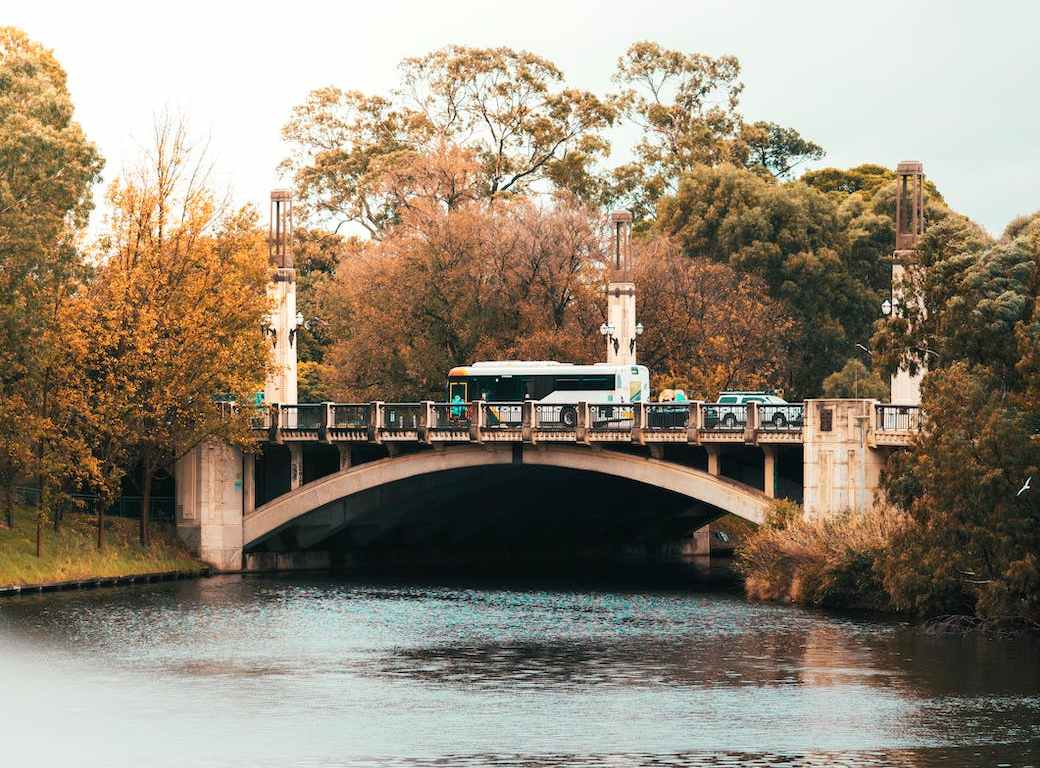
Drawing inspiration from the historical epicenter of the Montgomery Bus Boycott, we chose the bus as a symbolic vessel for our commitment to racial repair in 2023. Our journey led us to the recently inaugurated International African American Museum in Charleston, South Carolina—an emotionally charged site that occupies the very port where black bodies were once traded as commodities, torn from their African homeland. As participants traversed this sacred ground, tears streamed down both white and black cheeks like rivers merging into a common sea of sorrow. In a solemn tribute, the Gospel ensemble harmoniously sang “Hold On Just A Little While Longer,” their voices directed toward the very direction from which slave ships had once arrived at the port from the crying shores of Africa.
In somber unity, we stepped into the hallowed confines of the Mother Emanuel AME Church in Charleston—an emblematic site that contained both the warmth of welcome and the devastating cruelty of hatred. Here, a pastor and eight of his congregants met a tragic fate, falling victim to a senseless act of violence as they extended open arms to a white assailant driven by an irrational fear and a sick abhorrence of black people. As we gathered within those walls, the weight of history bore down on all of us, a shared sorrow in our hearts as we contemplated the grim reality that had unfolded within this sacred space. The echoes of that tragic event reverberated within us, a screaming reminder of the pain that has scarred our nation’s history.
Our journey finally reached its culmination in Washington, D.C. where we found ourselves at the threshold of the National Museum of African American History and Culture. Within its walls, a profound sense of commonality emerged—an experience of black pain and white regret that resonated across the spectrum of black and white participants. As we moved through the exhibits, the shared empathy fostered a unique connection, transcending the boundaries of race and ethnicity.
We departed from the profound corridors of the museum to the very grounds of the Capitol Building, where an enraged mob had assembled on that fateful day, January 6, 2021. In stark contrast, our purpose was to set free the dove of peace and to restrain the hawk of war. In this charged setting, we came together to lend our voices to a chorus of hope, singing songs of unity, offering prayers, and sharing speeches that echoed our collective commitment to racial healing. Amidst the historic setting, our Gospel ensemble harmonized melodies that resonated with the theme of America’s restoration. With heartfelt devotion, they unveiled a brand-new composition crafted exclusively for this special occasion. The music soared, transcending the challenges of the present and pointing us toward a brighter, more reconciled future.
Our path finally led us to the Arlington Church of Christ, where the spirit of revival awaited, and our shared journey reached its spiritual climax. The journey, with all its somber visits, intense conversations, and reflective moments, enabled us to glimpse into each other’s experiences, fostering an empathy rooted in shared history and a yearning for a more equitable future. As we move forward, the bonds formed during these days of shared exploration will serve as foundations for continued conversations, understanding, and reconciliation. The journey, marked by tears, songs, and collective healing, is a testament to the power of revisiting the past as a means to shape a more harmonious future.

Discover more from Three-Fifths
Subscribe to get the latest posts sent to your email.
 Three-Fifths