

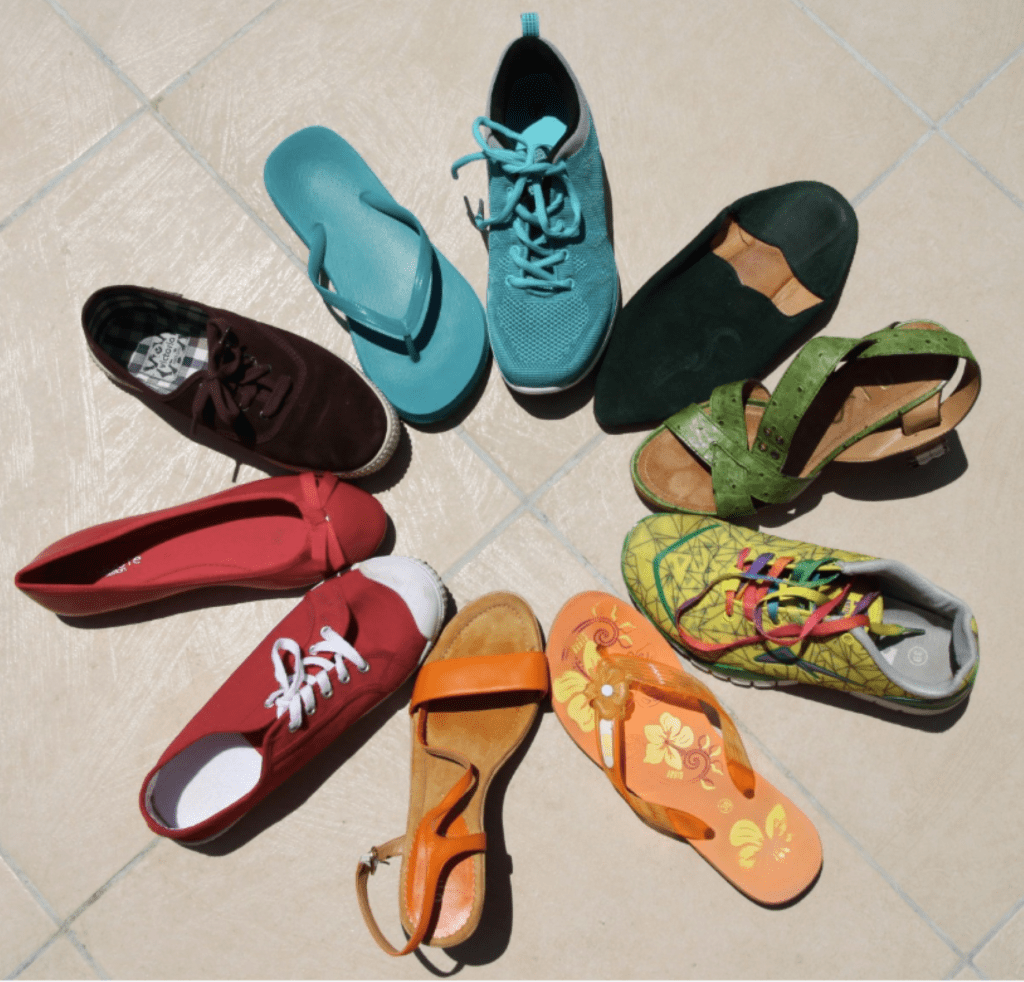
What if empathy were not only an interpersonal skill but a collective responsibility?
When something bad happens, we wish that others could see things from our perspective. If only they knew what we know, if only they had gone through what we’ve gone through, they’d be more careful around us, they’d understand why we did what we did. If only they had walked in our shoes…
Maybe this happens sometimes for you. But please know that some of us are always expected to be the bigger person, and are always expected to forgive others’ trespasses against us. It does not feel like others are open to considering our perspectives or care that they are repeatedly and systemically wounding us.
Consider this example. A leader makes a comment in a meeting that rubs the wrong way. We wonder why they would speak so carelessly if they were aware of how that comment affects us, if they knew how many times someone has made that kind of remark and how many times we’ve had to endure that moment, often while under public scrutiny.
But what if someone else in the room noticed and recognized why those words hurt? What if someone lets us know we are seen, our feelings are reasonable, and we are not in this alone? This can take the form of a private message, chiming in publicly, or even standing with us in formal action should such be warranted. And what if these acts of empathy helped the leader take responsibility for their mistakes and growth?
Note: Some folks know full well what they’re saying and do not deserve the benefit of the doubt. Empathy cannot enable abusive or discriminatory behavior, and justice requires accountability as the most loving response.
Now consider high stakes. You’re enjoying time by the river in Montgomery when you see a group of men start beating up a worker who was just doing his job. Empathy led those onlookers to run down the ramp – and swim to the dock – to literally fight for the man being attacked. If this were my brother, what would I hope onlookers would do? If this were my son, what would I hope onlookers would do? These strangers understood that white supremacy has no respect for Black lives, that this man could be killed, and that empathy required them to enter the fight.
They responded with empathy, not just for this man, but also for Mamie Till Mobley, Valerie Castile, Geneva Reed-Veal, Tamika Palmer, Samaria Rice, Cissy Floyd, Row Vaughn Wells, and every other mother whose child has been killed when no one was around to do anything to help.
Collective Empathy is an embodied form of love. Not only do we try to understand the world from someone else’s shoes, but we take responsibility for each other. Empathy makes us aware of realities that compel our action. As Rev. Dr. Melva Sampson preached at the 2023 Children’s Defense Fund Samuel DeWitt Proctor Institute, “I need comrades, not allies… This ain’t the time to be silent, friends.”
Look around. What do you see? Who do you see? What do you not know but should? What multidimensional layers are at play? Given this, how can you best show empathy by embodying love for others, and how do you need others to show empathy by embodying love for you?
Start where you are, but expand your practice of empathy to look beyond individuals to patterns and systems and to find a meaningful way to do something about it that is actually helpful. (We’re all stocked up on Karens and Beckys and do not need more, please, and thank you.)
Empathy does not stop at merely understanding each other’s perspectives, but must include an enacted response. Empathy challenges us interpersonally and collectively to bear witness to and for each other. May we have eyes to see and ears to hear, not only the divine but also each other, and may we meet the moment with what best embodies love, from a kind word to a folding chair.
Discover more from Three-Fifths
Subscribe to get the latest posts sent to your email.
 Three-Fifths