


Can healing ourselves heal our ancestors? This is a question I’ve been pondering. I recently took a course with White Awake called “Before We Were White: Ancestral Recovery for Collective Liberation”. One of the first readings included a piece titled “Embracing Rootedness and Radical Genealogy” by Aurora Levins. The following quote from her piece has had a deep impact on me:
“If slavers, invaders, committers of genocide, inquisitors can beget abolitionists, resistance fighters, healers, community builders, then anyone can transform an inheritance of privilege or of victimization into something more fertile than either.”
For most of my life, I have actively rejected and distanced myself from my Jewish roots. I am only now truly understanding the impact of that rejection. I clearly recall attending my first Undoing Racism and Community Organizing workshop by PISAB (The People’s Institute for Survival and Beyond https://pisab.org/). During the workshop, folks are asked what they like about being whatever race they identify as. What stood out to me most was the beautiful and rich responses that came from Black, Indigenous, Lantine, and Asian folks in contrast with the profound silence and confusion that came from most of us white folks. This activity illuminated the empty place I have always felt inside. I understand now that the emptiness comes from not being connected to a culture separate from whiteness. This emptiness has led me to admire and appropriate others’ cultures in an attempt to fill the void inside of me. Dr. Ken Hardy has said that, “there is something very broken in white people, and it’s from those broken places that white people cause harm.” Many of us white people and our ancestors gave up their cultures to assimilate into whiteness. This assimilation has cost me the sense of connection and belonging that comes with knowing and understanding the people I come from and belong to. It has hurt me and caused me to hurt others. I want to heal my broken parts. I don’t want to continue to appropriate and inflict pain onto BIPOC. Part of my healing from white supremacy culture is to learn more about my own roots and where I come from; to embrace my heritage and reconnect with my people.
My ancestors came to the U.S. in the early 1900s from what is now called Eastern Europe (Poland, Germany, Vienna, and Russia). Although none of them were enslavers, my family has benefited (and continues to benefit) from white privilege, which includes a history of enslavement, genocide, and the colonization of other human beings. I know that acknowledging my complicity in the legacy of white supremacy culture, as well as being on an ongoing journey of healing, makes me a safer person for BIPOC to be in relationship with. I also know that by doing “my own work”, I am restoring or “recovering” my own humanity. As I think more on Levin’s words, I find myself pondering more deeply about transformation and liberation. Through my own healing work, not only can I be part of creating something that can lead to collective liberation, but could I actually heal my own ancestors? And might that be what they would want? What did they desire? Maybe this is why I have felt pulled to do ancestral recovery work. This feels impactful. It is a call to the part of me that has felt so disconnected from those that came before me. What I do and how I choose to be in the world could actually heal and transform my ancestral legacy. If we white people can acknowledge and name the harm we and our ancestors have caused, then maybe we can also forgive both them and ourselves as we move through the shame and fear that blocks us from showing up for collective liberation. We could “transform an inheritance of privilege and victimization” into something “more fertile than either.” We can do this by continuing to hold each other in compassionate accountability.
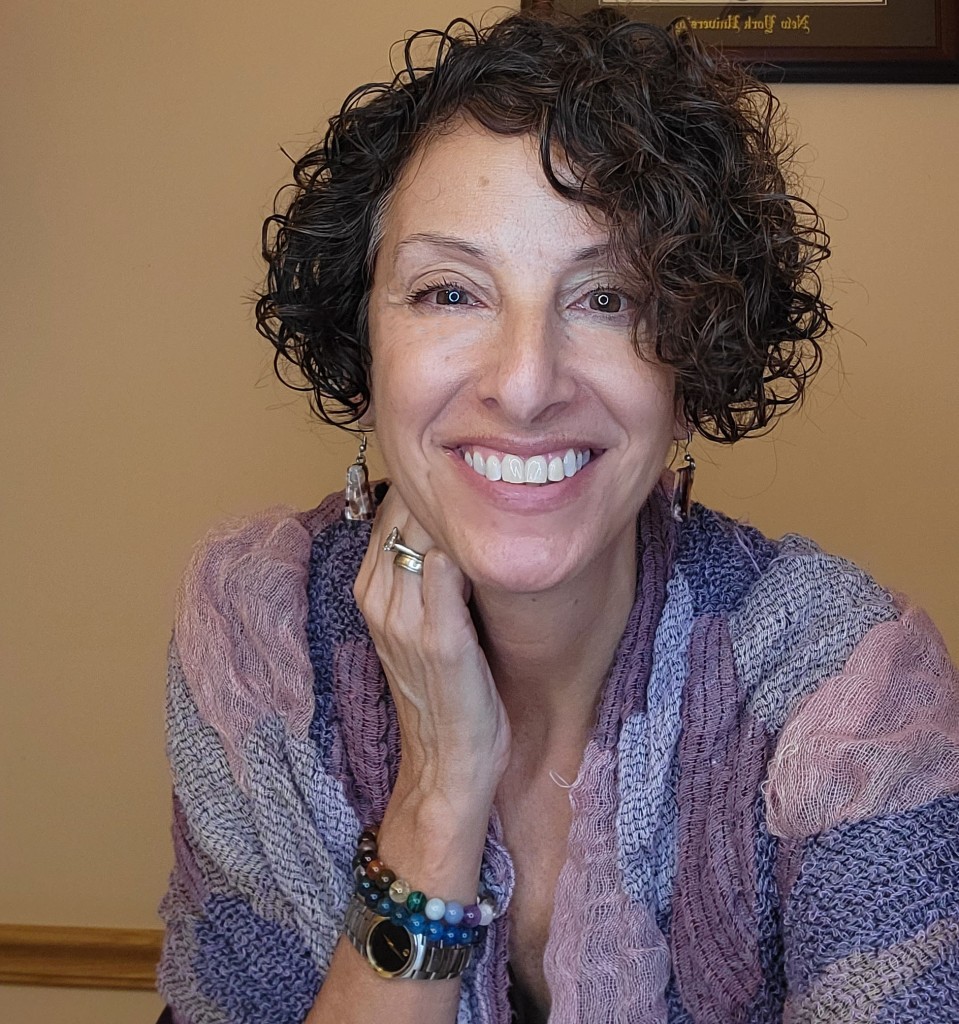
By Robin Schlenger
Discover more from Three-Fifths
Subscribe to get the latest posts sent to your email.
 Three-Fifths