


To answer this question, I need to first talk about power, and more specifically, the fear of losing power. I have had to do my own serious unpacking around power and fear. In doing so, I found myself having to work through some very shameful biases and narratives that I was holding onto. When I used to try to conjure up an image of a world in which BIPOC held the institutional and structural power that is held by white people, I pictured BIPOC treating white people the very same way we have treated them. Those imaginings left me with fear; fear of facing some serious payback and retribution.
This scenario is based on the white supremacist, hierarchical power over system that we currently exist in; a system where whites are on top and BIPOC are at the bottom. It had never occurred to me that there could be another way of looking at power, a way of looking that was more humane. In her book, Powerarchy, Melanie Joy, Ph.D. defines power as “the capacity or ability to influence others, oneself, or events to bring about desired outcomes…when we have power, we are able to exert our will in order to get what we want.” She separates systems of power into two models: power over and power with. I believe that our (white people’s) fears are based on a power over model. In this model, “power is used to exert dominance and control over others; those in power place their interests over the interests of others; power is used to get what the power holder wants, to serve their own ends, without regard for the interests of others; there is a disregard or violation of others interests and rights” (Melaine Joy, Ph.D.). On the other hand, there is the power with model. This model “reflects and reinforces the belief that all individuals are equal in inherent worth and are equally deserving of being treated with justice and compassion. This model is organized around behaviors that reflect core moral values such as compassion and justice; practicing what we preach” (Melanie Joy, Ph.D.).
I have come to see the power with the model as an antidote or counternarrative to the fear of losing power, payback, and retaliation. In this model, everyone gets a piece of the pie because there is enough pie to go around. I think we white folks live in fear (conscious and unconscious) that “our things” (stuff, money, power, land, privileges) will be taken from us if we start down the road of reparations and power sharing. The brilliant show Atlanta had an episode in its third season titled “The Big Payback” which was based on this fear. As an example, one of the white male characters, Marshal, is visited by a black woman named Sheniqua Johnson, who is suing him because his family owned her ancestors. She enters his house by herself, live-streams, and demands $3 million. I think that many of us white people really believe and fear that this is what reparations would look like.
This belief is what holds us back from making real social justice changes. I believe that Reparations are one of the ways we can begin to level the playing field, but this will never happen if white folks continue to believe in the zero-sum paradigm. It’s this all-or-nothing fallacy that strikes fear in the hearts of white people. This paradigm is based on the idea of winners and losers, not shared power and resources. The idea is so deeply entrenched in white supremacy culture that we don’t always recognize it at play. Most BIPOC are not interested in taking away what white people have, only in having the same for themselves. I don’t think that is too much to ask for, do you? This country was literally built on the backs of BIPOC. We have stolen and profited off of their bodies, their labor, their ideas, and their land and we have tried to steal their dignity and crush their souls.
Our fear is holding us captive and keeping us all from healing.
Additionally, we white people have a long history of biting off our noses to spite our faces. In her book, The Sum of Us, Heather McGee writes about white folks draining city pools rather than integrating them. She says, “It was more baffling to me how that threat could feel so menacing that these white people would resist policies that could benefit them just because they might also benefit people of color….progress for one group is seen as an automatic threat to another.”
This is one of the costs of white supremacy ideals. In conclusion, when we refuse to unpack them they continue to fuel our misguided fears and get in the way of building real racial equity and collective liberation. I now understand that my own fears came out of deep-seated and misguided ideas and biases about power sharing. This poem by Nayyirah Waheed reminds me that there can be another way.
“If we wanted to, people of color could burn the world down for what we have experienced, are experiencing but we don’t’ – how stunningly beautiful that our sacred respect for the earth, for life is deeper than our rage.”
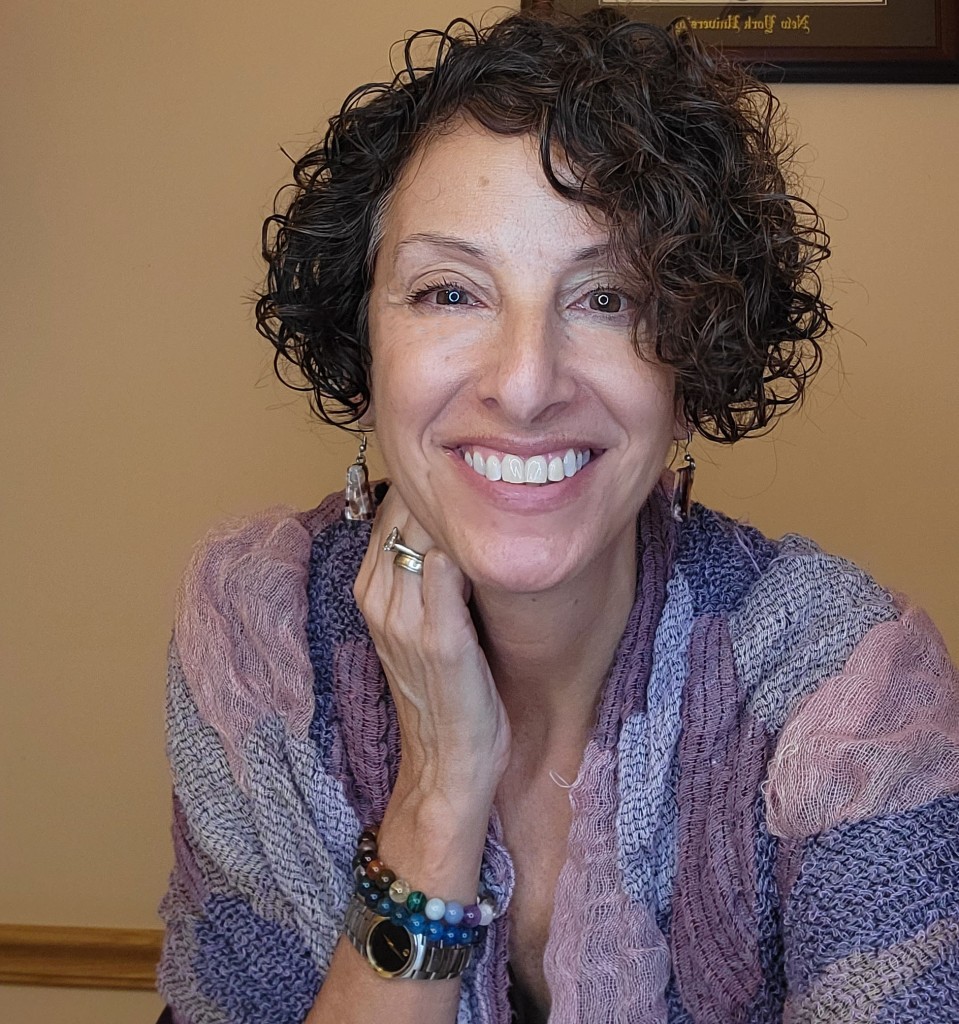
By Robin Schlenger
Discover more from Three-Fifths
Subscribe to get the latest posts sent to your email.
 Three-Fifths